























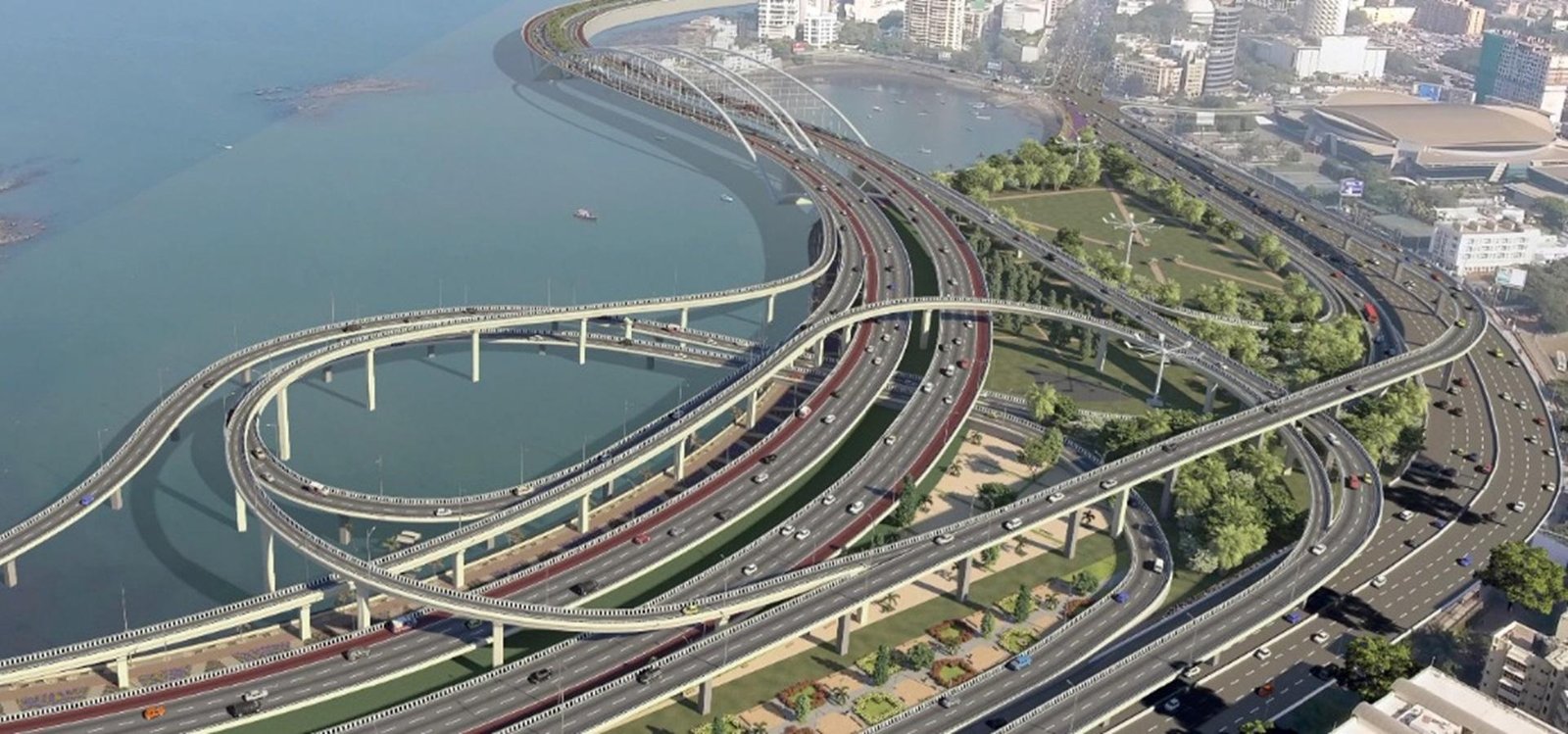
The Mumbai Coastal Road phase update is a key infrastructure development shaping daily travel across the city. As new sections open and construction progresses, commuters are beginning to see changes in travel time, congestion patterns, and route planning along Mumbai’s western corridor.
The Mumbai Coastal Road phase update is a time-sensitive infrastructure story, with phased openings already influencing traffic movement. The project, officially known as the Coastal Road Project, aims to connect South Mumbai to the western suburbs through a high-speed corridor, reducing pressure on existing arterial roads.
Current Status of Mumbai Coastal Road Project
The Mumbai Coastal Road Project is being executed by the Brihanmumbai Municipal Corporation and is one of the city’s largest road infrastructure initiatives. The project is designed as an eight-lane expressway running along the western coastline, connecting Marine Drive to areas like Worli and further north in later phases.
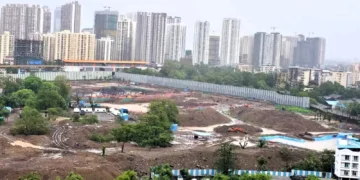
As of recent updates, key stretches between Marine Drive and Worli have been partially opened to traffic. These openings are being done in phases to test traffic flow and ensure safety systems are functioning properly. Remaining sections, including interchanges and connector roads, are still under construction.
The phased rollout is critical because the project involves complex engineering elements such as tunnels, sea walls, and reclaimed land. Authorities are balancing speed of execution with safety and environmental compliance.
How Coastal Road Impacts Daily Commuters
For daily commuters, especially those traveling between South Mumbai and central business districts like Worli, the coastal road is already reducing travel time. Early estimates suggest that journeys which previously took 45 to 60 minutes during peak hours can now be completed in significantly less time on operational stretches.
However, the benefits are currently limited to specific entry and exit points. Since the entire corridor is not yet fully connected, some commuters may still face bottlenecks when merging into existing road networks.
Another key impact is traffic redistribution. Vehicles that previously used routes like Pedder Road and Worli Sea Face are gradually shifting to the coastal road, easing congestion in some areas while increasing load at new junctions.
Traffic Management and New Route Adjustments
With each phase opening, Mumbai traffic police are implementing new traffic management plans. This includes revised entry and exit routes, signal adjustments, and diversion strategies to manage flow efficiently.
Commuters need to stay updated with these changes, as access points to the coastal road may not be intuitive initially. Missing an entry can result in longer detours due to limited U-turn options along the corridor.
Public transport integration is still evolving. While private vehicles are the primary users at this stage, future plans may include better connectivity with bus routes and feeder systems.
Parking and last-mile connectivity also remain challenges. The coastal road improves long-distance travel speed but does not directly solve issues related to final destination access.
Environmental and Urban Planning Considerations
The project has faced scrutiny over environmental concerns, particularly related to coastal regulation and marine ecosystems. Authorities have implemented mitigation measures such as sea walls and green spaces along certain stretches.
Urban planners view the coastal road as both an opportunity and a challenge. While it improves connectivity, it may also encourage increased private vehicle usage, potentially offsetting long-term congestion benefits.
There is also a focus on developing public spaces along the route, including promenades and open areas. These additions aim to balance infrastructure development with urban livability.
What to Expect in Upcoming Phases
Future phases of the Mumbai Coastal Road will extend connectivity further north, eventually linking with major suburbs. This is expected to bring more significant travel time reductions for a larger population.
Interchange development will be a key factor in determining the project’s success. Smooth transitions between the coastal road and existing highways will reduce bottlenecks and improve overall efficiency.
Authorities are also expected to refine tolling and access policies once the full corridor becomes operational. These decisions will impact usage patterns and affordability for daily commuters.
Takeaways
Mumbai Coastal Road phase update is already reducing travel time on select routes
Benefits are currently limited due to partial openings and incomplete connectivity
Traffic patterns are shifting, easing congestion in some areas and creating new pressure points
Future phases and interchanges will determine long-term commuter impact
FAQs
What is the Mumbai Coastal Road Project?
It is an eight-lane coastal expressway connecting South Mumbai to western suburbs to reduce congestion and improve travel time.
Is the coastal road fully open to traffic?
No, only certain stretches are operational, with the rest being opened in phases.
How much time can commuters save?
On operational sections, travel time during peak hours can reduce significantly, depending on the route.
Will public transport be integrated with the coastal road?
Plans exist for better integration, but currently the road is primarily used by private vehicles.