










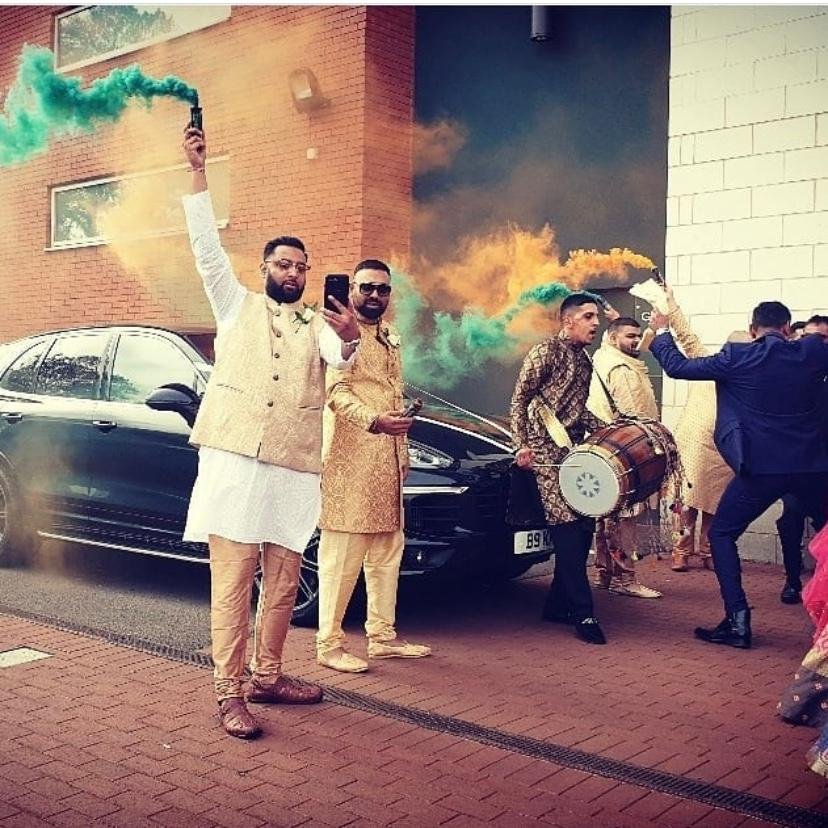
A unique wedding trend from Uttar Pradesh is gaining traction online where families are skipping DJs and choosing traditional dhol music instead. The idea is being praised as cost-effective, culturally rich, and more community-driven, especially across Tier-2 and Tier-3 regions.
The viral “No DJ, Only Dhol” wedding trend in Uttar Pradesh is quickly becoming a talking point across social media platforms. Videos circulating on Instagram and WhatsApp show baraats dancing to live dhol beats instead of loud DJ systems. The shift is not driven by regulation but by practicality, cost savings, and a growing preference for traditional experiences.
Why “No DJ, Only Dhol” Is Trending Now
The rise of this trend aligns with two clear factors. First is cost control. Hiring a DJ setup for Indian weddings often ranges from ₹15,000 to ₹50,000 depending on equipment and scale. In contrast, local dhol players can be arranged for significantly lower costs, especially in smaller towns.
Second is the cultural appeal. Dhol music has always been part of North Indian celebrations, particularly in rural and semi-urban belts. The current trend reflects a return to roots rather than a forced change.
Social media has amplified the trend. Short reels showing energetic baraats with live drummers are outperforming typical DJ clips. The authenticity factor is driving engagement, especially among audiences fatigued by repetitive wedding formats.
Cost-Saving Weddings Becoming a Bigger Narrative
The “budget wedding” conversation has been growing steadily across India, particularly after the pandemic reshaped spending priorities. Families in Tier-2 and Tier-3 cities are increasingly questioning high wedding expenses.
Replacing DJs with dhol is just one example of this broader shift. Other changes include smaller guest lists, daytime weddings, and reduced decoration budgets. The viral UP trend fits neatly into this narrative, which is why it is resonating widely.
For many families, this is not just about saving money but about reallocating budgets. Funds saved on entertainment are often redirected towards food quality or gold purchases, which hold more long-term value in Indian households.
Social Media Reaction and Public Sentiment
The internet response has been largely positive. Users are calling the trend “real,” “relatable,” and “smart.” Many comments highlight how loud DJs often disrupt neighborhoods, while dhol creates a festive atmosphere without excessive noise pollution.
There is also a nostalgia angle. Older generations are appreciating the revival of traditional elements, while younger audiences see it as fresh and different from overproduced wedding setups.
However, some users point out that DJs still have their place in urban weddings where scale and expectations differ. The trend is therefore not replacing DJs entirely but offering an alternative that feels more grounded.
Is This a Rule or Just a Viral Trend?
Despite the viral headlines, there is no official government rule in Uttar Pradesh banning DJs at weddings. The trend is organic and community-driven rather than policy-enforced.
In some areas, local noise restrictions and police permissions have indirectly influenced reduced DJ usage, especially for late-night events. But the current viral wave is primarily a social shift, not a legal mandate.
This distinction is important because it highlights changing consumer behavior rather than regulatory pressure. Families are choosing dhol voluntarily, which signals a deeper shift in preferences.
What This Means for the Wedding Industry
The ripple effects of this trend could impact multiple stakeholders. Local dhol artists and folk performers may see increased demand, creating new income opportunities in smaller towns.
On the other hand, DJ service providers may need to adapt by offering hybrid packages that include traditional elements or smaller setups. The industry is likely to evolve rather than shrink.
Event planners are already observing increased interest in “minimalist weddings,” where experiences matter more than scale. The UP trend reinforces this shift and could influence wedding formats across other states as well.
Takeaways
- The trend is driven by cost savings and cultural preference, not regulation
- Tier-2 and Tier-3 audiences are leading the shift toward simpler weddings
- Social media is amplifying authentic, low-budget celebrations
- The wedding industry may adapt with hybrid entertainment options
FAQs
Is there an official ban on DJs in UP weddings?
No, there is no statewide ban. The trend is voluntary and driven by families.
Why are people choosing dhol over DJs?
Lower cost, cultural connection, and a more community-driven atmosphere are key reasons.
Is this trend limited to Uttar Pradesh?
It started gaining traction there but is now being noticed across other states through social media.
Will DJs become obsolete in Indian weddings?
Unlikely. DJs will continue in urban and large-scale weddings, but demand may diversify.