




























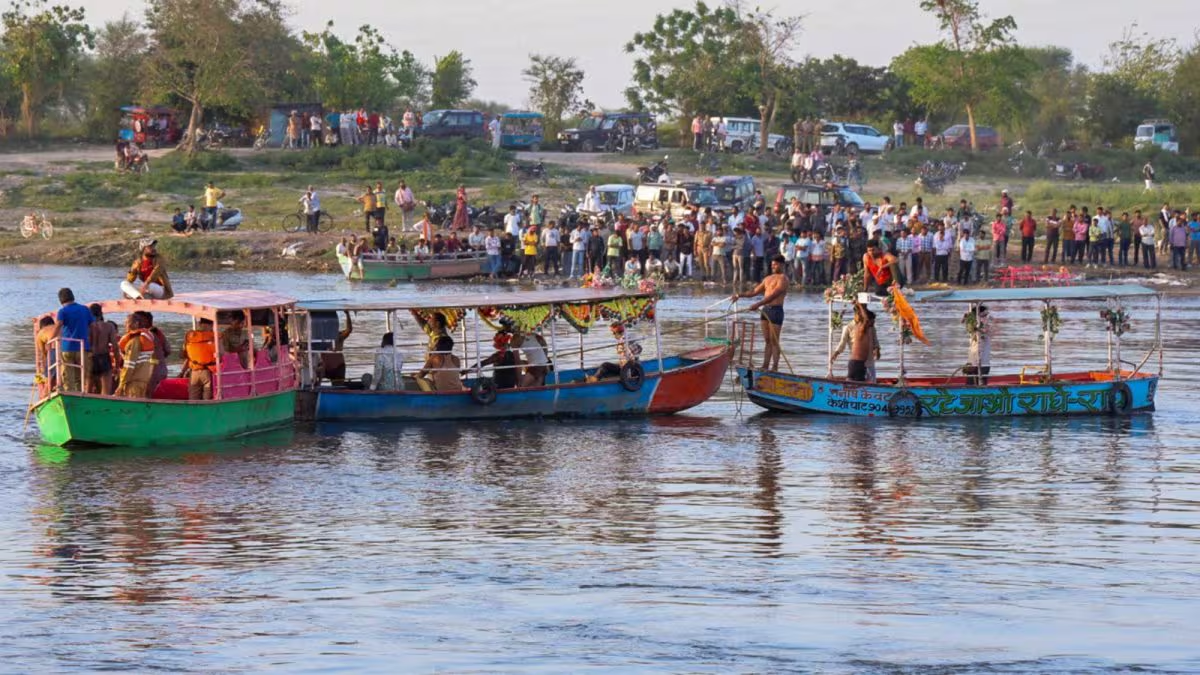
The Mathura boat tragedy has brought renewed attention to river safety in India after a boat capsized in the Yamuna River, leading to casualties and rescue operations. Authorities are now under pressure to address safety gaps.
The Mathura boat tragedy has emerged as a serious reminder of the risks associated with unregulated river transport in India. The incident, which occurred in Mathura, involved a passenger boat that capsized in the Yamuna River, triggering panic, rescue efforts, and questions around enforcement of safety norms. Initial reports suggest overcrowding and lack of proper safety measures played a critical role.
What led to the Yamuna boat capsize incident
Early findings around the Yamuna boat capsize point to multiple contributing factors rather than a single failure. Overloading remains one of the most common causes in such incidents, and eyewitness accounts indicate that the boat may have been carrying more passengers than its safe capacity.
In addition, many local boats operating in religious towns like Mathura are not equipped with essential safety gear such as life jackets, flotation devices, or emergency communication tools. River currents in the Yamuna can also be unpredictable, especially during certain seasons, making navigation risky for poorly maintained vessels.
Weather conditions and sudden imbalance in passenger movement are also known triggers in similar accidents. Even a minor shift in weight distribution can destabilize small boats, particularly when safety protocols are ignored.
Gaps in river safety regulations in India
The Mathura incident highlights long-standing gaps in river safety regulations across India. While there are guidelines issued by inland water authorities, enforcement at the local level remains inconsistent. Small private operators often function without strict inspections or licensing checks.
Religious tourism hubs such as Mathura, Varanasi, and Haridwar see heavy footfall, especially during festivals. Temporary operators enter the market during peak seasons, increasing the risk of accidents. Many of these operators lack formal training in navigation or emergency response.
Another critical issue is the absence of passenger awareness. Many travelers are unaware of safety precautions or do not demand basic protections like life jackets before boarding. This creates an environment where unsafe practices continue unchecked.
Rescue operations and administrative response
Following the Mathura boat tragedy, local authorities and disaster response teams were deployed to conduct rescue operations. Divers and emergency personnel worked to locate missing passengers while providing immediate medical assistance to survivors.
Officials have announced preliminary investigations into the incident, focusing on operator negligence and compliance with safety norms. There is also growing demand for accountability, with calls for stricter penalties against those violating safety regulations.
In many past cases, similar incidents have led to temporary crackdowns, but long-term structural changes have often been limited. Whether this tragedy leads to sustained reform remains a key question.
Impact on religious tourism and local economy
Mathura is a major religious destination, attracting thousands of visitors daily. Boat rides along the Yamuna are a common activity for pilgrims and tourists. Incidents like this can affect visitor confidence and disrupt local livelihoods dependent on tourism.
At the same time, safety improvements could strengthen the sector in the long run. Tourists are more likely to engage in river-based activities if they feel secure. This creates an opportunity for authorities to rebuild trust through visible safety measures.
Local businesses, including boat operators, may face stricter regulations in the coming months. While this could increase operational costs, it may also standardize services and improve overall quality.
What this tragedy means for river safety in India
The broader implication of the Mathura boat tragedy is the urgent need for a unified and enforceable river safety framework. This includes mandatory registration of boats, periodic inspections, and strict passenger limits.
Technology can also play a role. GPS tracking, digital ticketing, and real-time monitoring could help authorities track compliance. Training programs for boat operators and awareness campaigns for passengers are equally important.
India has been investing in inland waterways as an alternative transport system. However, without strong safety infrastructure, expansion efforts may face setbacks. Incidents like this underline the importance of balancing growth with regulation.
Key Takeaways
- Overloading and lack of safety equipment were likely key factors in the Mathura boat tragedy
- Weak enforcement of river safety regulations remains a major concern in India
- Rescue efforts were launched quickly, but accountability and reforms are now in focus
- Strengthening safety standards is critical for protecting lives and sustaining tourism
FAQ
What caused the Mathura boat tragedy?
Preliminary reports suggest overloading, lack of safety equipment, and possible operator negligence contributed to the capsize.
Are river safety rules strict in India?
Guidelines exist, but enforcement varies significantly across regions, especially in smaller towns.
Was the boat operator licensed?
Investigations are ongoing to determine whether the operator followed licensing and safety norms.
How can such incidents be prevented in the future?
Strict enforcement of passenger limits, mandatory life jackets, regular inspections, and public awareness can reduce risks.