





























Cashfree Payments has launched a digital wallet that allows authorised AI agents to make payments on behalf of Indian consumers. The service introduces a new way to handle routine transactions, with users setting spending limits and permissions instead of sharing their banking credentials with artificial intelligence tools.
Cashfree Launches AI Agent Payment Wallet in India
On November 24, 2026, payments technology company Cashfree Payments launched Cashfree Wallet, a prepaid wallet designed to let personal AI agents complete payments for users.
The service addresses a limitation in many AI-powered assistants. These tools can search for products, compare prices, organise information and help users complete tasks, but payments often require people to leave the conversation and finish the transaction themselves.
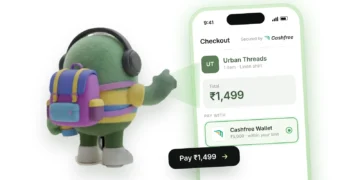
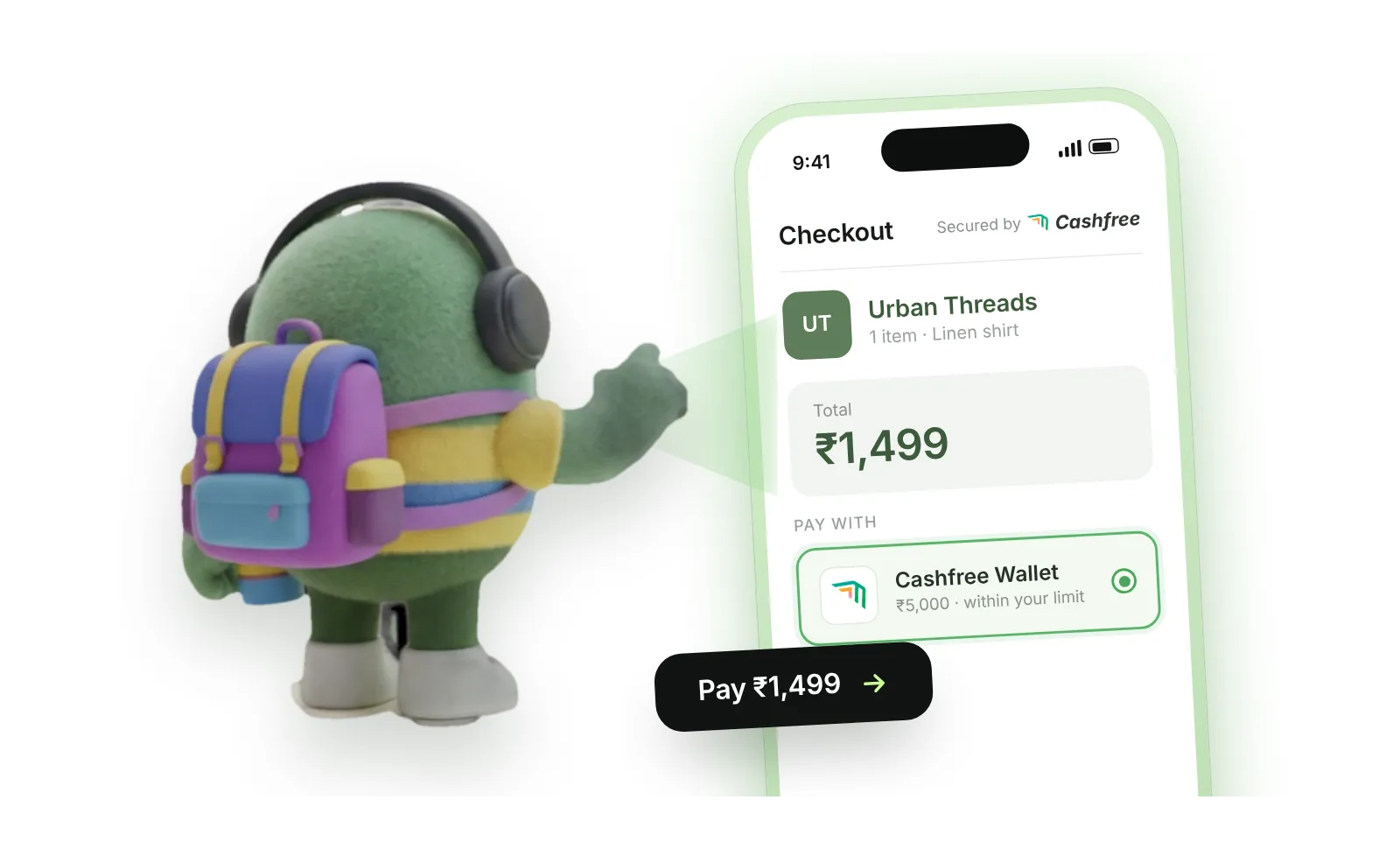
Cashfree’s new wallet is designed to handle that final step. Users can connect an AI agent to their wallet, add money and establish spending permissions. The agent can then make authorised payments within those limits.
The launch is part of a wider shift towards agentic commerce, where artificial intelligence systems move beyond recommendations and begin carrying out tasks on behalf of consumers.
Cashfree says more than 100 personal AI agents and bot builders have integrated with the wallet at launch. The company is initially making the service available through an invite-only beta.
How Does Cashfree Wallet Work?
Cashfree Wallet works through a prepaid balance that users control. Instead of giving an AI agent access to a bank account, credit card or UPI credentials, consumers add money to a separate wallet.
The process involves three main steps.
1. Connect the AI agent: Users link their Cashfree Wallet to a compatible personal AI agent by verifying their mobile number through a one-time password.
2. Add money and set permissions: The wallet can be topped up through UPI, debit or credit cards, net banking and UPI Autopay. Users can establish the amount an agent is allowed to spend, the number of payments it can make and how long its authorisation remains valid.
3. Allow the agent to make payments: Once the task is approved, the AI agent can complete eligible payments within the established rules. Users receive transaction alerts and can revoke access whenever they choose.
The important distinction is that the AI agent does not receive unrestricted access to the user’s financial accounts. It can spend only from the available wallet balance and within the permissions granted by the user.
What Payments Can AI Agents Make Through Cashfree?
The service currently supports bill payments. These include categories such as electricity, broadband, gas, FASTag and postpaid mobile bills.
This gives consumers a practical starting point for using AI agents in everyday financial activities. For example, a user could ask an authorised assistant to handle an eligible household bill instead of manually opening a payment application, locating the biller and completing the transaction.
However, the wallet does not yet support every type of consumer purchase.
Cashfree has said that payments for travel, food, groceries and e-commerce are being tested or planned for a later expansion. These services should not be treated as generally available features at the initial launch.
The wallet also works with verified billers and merchants on Cashfree’s network. This means it is not yet a universal payment facility that allows an AI agent to transact with every merchant or payment gateway in India.
What Changes for Indian Consumers?
The biggest change is the possibility of delegating routine payments to AI assistants.
Consumers already use digital payment platforms for electricity bills, mobile recharges, broadband services and other recurring expenses. Cashfree’s wallet introduces a model in which an authorised AI agent can handle eligible transactions after receiving the user’s instructions.
There are several potential benefits.
Less manual work: Users may be able to delegate repetitive bill payments rather than completing each step themselves.
More controlled spending: A prepaid wallet with defined limits can restrict how much an AI agent is able to spend.
Reduced sharing of financial credentials: The agent does not need direct access to the user’s bank account, card or UPI details.
Payment visibility: Transaction alerts and wallet records allow users to monitor what their authorised agents have paid.
For working professionals and households managing multiple recurring bills, this could make routine financial administration easier.
However, convenience will depend on how accurately AI agents interpret instructions, identify the correct billers and complete transactions. Consumers will still need to review their payment activity and maintain sufficient wallet balances.
How Cashfree Wallet Addresses AI Payment Security
Security is one of the central questions surrounding agent-led payments.
An AI assistant may misunderstand a request, select an incorrect service or respond unexpectedly to misleading information. If such an agent has unrestricted access to a user’s financial accounts, the consequences could be serious.
Cashfree’s prepaid wallet model attempts to limit this exposure by separating the agent’s payment authority from the user’s primary financial credentials.
The company says agents never see the user’s card, UPI or bank account details. They can only spend from the Cashfree Wallet balance and must operate within the budget and permissions approved by the user.
Other controls include:
- Spending budgets that restrict the amount an agent can use.
- Limits on the number of payments an agent can make.
- Time-bound authorisation that can expire.
- Transaction alerts that help users monitor activity.
- The ability to revoke an agent’s access.
Cashfree has also outlined a grievance and dispute process for users who want to challenge a payment. Consumers can raise disputed transactions with its support team under the wallet’s applicable process.
These controls provide safeguards, but they do not eliminate every risk. Users should carefully review the permissions they grant, check bill details and monitor transaction notifications.
Does Cashfree Wallet Mean AI Can Now Make UPI Payments Independently?
Not exactly. This distinction is important for understanding the new service.
Users can add money to Cashfree Wallet through UPI, cards or net banking. However, the AI agent makes payments from the prepaid wallet balance rather than receiving the user’s UPI credentials or independently operating their bank account.
In other words, UPI can be one of the methods used to fund the wallet, while the agent’s spending authority remains limited to the wallet.
This is different from giving an AI assistant direct access to a bank account or allowing it to initiate unrestricted UPI transactions.
Cashfree also holds a prepaid payment instrument licence from the Reserve Bank of India. The wallet operates within the company’s regulated payment infrastructure.
For consumers, the distinction matters because AI-led payments are not the same as handing over complete control of a bank account to an automated system.
What Is Agentic Commerce and Why Are Payment Companies Interested?
Agentic commerce refers to transactions in which AI agents can perform shopping and payment-related tasks on behalf of consumers.
A conventional AI assistant might help someone find a broadband plan, compare prices or identify a suitable product. An agentic system aims to take the process further by completing authorised actions, including payments.
This creates a new opportunity for payment companies. If consumers increasingly rely on AI assistants to organise purchases and services, payment infrastructure will need to support transactions initiated by these systems.
Cashfree had already introduced Checkout for Agents earlier in November 2026. The service uses WebMCP to help AI agents interact with supported merchant checkout pages while customers retain control over payment approval.
The new Cashfree Wallet extends this direction by allowing users to delegate eligible payments through a prepaid balance and predefined rules.
According to Business Standard, Cashfree reported a 16-fold increase in traffic from AI agents on its checkout since the beginning of the current financial year. The company has also said that more than 100 personal agents and bot builders integrated its wallet at launch.
These figures indicate growing developer interest, although they do not establish how many consumers are actively using the wallet for regular payments.
What Are the Limitations of Cashfree’s AI Payment Wallet?
Despite its potential, Cashfree Wallet is still at an early stage.
First, access is currently through an invite-only beta. This means the service is not yet available to every consumer.
Second, its payment coverage is limited. Bill payments are supported at launch, while travel, food, grocery and e-commerce transactions are still being tested or planned.
Third, payments are restricted to verified billers and merchants on Cashfree’s network. Consumers cannot assume that an AI agent will be able to pay every business they use.
There are also questions around customer experience, including how disputes will be handled in different situations, how users will manage multiple agents and how spending permissions will work as the service expands.
The answers will become clearer as Cashfree increases access and introduces additional payment categories.
For consumers, the sensible approach is to begin with limited permissions and small budgets rather than granting broad spending authority immediately.
What the Launch Means for India’s Digital Payments Future
India has built a large digital payments ecosystem through UPI, prepaid wallets, payment gateways and other financial technology services. The next stage could involve making these systems accessible to AI-powered assistants.
Cashfree’s launch represents one attempt to build that connection. It also highlights how payment companies are preparing for a future in which consumers may describe what they want and allow software to complete approved tasks.
The opportunity extends beyond individual convenience. Businesses could eventually receive orders and payments through AI agents, while developers may be able to integrate payment capabilities without building separate merchant connections.
However, wider adoption will depend on consumer trust, regulatory compliance, transaction reliability and clear accountability when something goes wrong.
For Indian consumers, AI-led payments could gradually reduce the number of manual steps involved in routine transactions. But the technology will become genuinely useful only if convenience comes with transparent permissions, strong safeguards and reliable customer support.
Key Takeaways
- Cashfree Payments launched Cashfree Wallet on November 24, 2026, allowing authorised AI agents to make eligible payments using a prepaid balance.
- Users can add money through UPI, cards or net banking and set spending limits, payment limits and authorisation periods.
- The service currently supports bill payments, while travel, food, groceries and e-commerce transactions are being tested or planned.
- AI agents do not receive users’ bank, card or UPI credentials, and consumers can monitor transactions and revoke access.
Frequently Asked Questions
1. What is Cashfree Wallet?
Cashfree Wallet is a prepaid digital wallet that allows consumers to authorise personal AI agents to make eligible payments on their behalf. Users add money, set spending rules and control how their agents use the balance.
2. Can AI agents make payments without accessing my bank account?
Yes. Cashfree says its AI agents make payments from the prepaid wallet balance without accessing users’ underlying bank account, card or UPI details.
3. Which payments are supported by Cashfree Wallet currently?
The initial launch supports bill payments, including electricity, broadband, gas, FASTag and postpaid mobile bills. Travel, food, grocery and e-commerce payments are being tested or planned for future expansion.
4. Is Cashfree Wallet available to everyone in India?
No. The service is currently in an invite-only beta. Consumers need access to the beta and a compatible AI agent to use the wallet.