































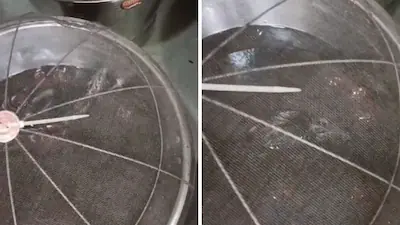
A viral video allegedly showing a rat swimming among gulab jamuns in a container of sugar syrup at a sweet shop in Bhiwandi, Maharashtra, has raised serious food safety concerns. The Maharashtra Food and Drug Administration inspected the establishment, found registration-related violations and issued a notice directing it to stop business while the matter is examined.
Viral Rat Video From Bhiwandi Sweet Shop Sparks Outrage
A video showing a rat moving inside a large container filled with gulab jamuns and sugar syrup has triggered widespread reactions on social media. The incident was reported from Harish Gulab Jamun, a sweet shop in the Shanti Nagar area of Bhiwandi, in Maharashtra’s Thane district.
The footage appears to show the rodent moving through the syrup and around the sweets kept inside the container. As the video circulated online, residents raised concerns about food hygiene, storage practices and the safety of sweets sold to customers.
The incident attracted the attention of the Maharashtra Food and Drug Administration (FDA), which inspected the establishment and initiated action over reported food safety violations.
The episode has also renewed questions about the precautions sweet shops must take when storing ready-to-eat food, particularly items that remain immersed in syrup or are displayed for sale over several hours.
What the Maharashtra FDA Found During Inspection
Following the circulation of the video, FDA officials inspected Harish Gulab Jamun and examined the premises. According to media reports published on October 8 and 9, officials collected samples of gulab jamuns and other food items for laboratory analysis.
The inspection also revealed that the establishment did not have the mandatory Food Business Registration Certificate. The FDA subsequently issued a stop-business notice, directing the shop to cease operations pending further action.
Officials also prepared an inspection record, known as a panchnama, as part of the proceedings.
The regulatory action is significant because food businesses must meet applicable registration, licensing, hygiene and food safety requirements before operating. The absence of the required registration is a separate compliance issue, regardless of how the incident shown in the video is ultimately explained.
The collection of food samples is intended to support further examination. The available reports do not establish the final laboratory findings or provide a conclusive determination about when the video was recorded.
Does the Viral Video Prove the Shop Sold Contaminated Sweets?
The video has raised legitimate concerns, but it is important to distinguish what the footage appears to show from what the investigation has established.
The footage appears to show a rat inside a container holding gulab jamuns. However, the exact time of recording and the circumstances in which the rodent entered the container have not been conclusively established in the available reporting.
Officials reportedly did not find a rat at the premises during their inspection. This does not, by itself, establish that the video was fabricated or that the food was safe. It simply means the rodent was not found when the inspection took place.
The shop operator reportedly suggested that a dispute with an employee over wages might be connected to the incident and alleged that the situation could have been deliberately staged. This remains an allegation and should not be treated as an established fact.
The investigation must distinguish between the visible footage, the conditions found during the inspection and any claims made by the people involved.
Until further findings are available, it would be premature to draw definitive conclusions about how the incident occurred or whether any individual deliberately caused it.
Food Safety Rules for Sweet Shops in India
The Bhiwandi incident highlights why food safety practices matter at every stage of selling sweets, from preparation and storage to display and distribution.
In India, the Food Safety and Standards Authority of India (FSSAI) establishes food safety standards, while state food safety departments carry out inspections and enforcement under the applicable legal framework. Food businesses must obtain the registration or licence appropriate to their category and comply with relevant hygiene requirements.
For sweet shops, basic precautions include storing products in clean, covered containers, preventing rodents and insects from accessing food, maintaining clean preparation and storage areas, and ensuring that employees follow appropriate hygiene practices.
Gulab jamuns are commonly stored in sugar syrup, which can make contamination difficult to identify without close inspection. A covered container alone is not enough if the surrounding premises are poorly maintained or pests can enter the storage area.
Businesses that purchase ready-made sweets from suppliers also have a responsibility to handle and store those products safely. Buying food from another manufacturer does not remove the retailer’s responsibility to maintain proper hygiene at the point of sale.
What Customers Should Check Before Buying Sweets
Customers can take a few practical steps to make more informed decisions when purchasing sweets from local shops.
First, observe the general cleanliness of the premises. Counters, display trays and storage containers should be clean, and food should be protected from dust, insects and other sources of contamination.
Second, check whether the shop maintains appropriate food storage practices. Sweets displayed in open containers near drains, waste bins or crowded areas may be exposed to avoidable hygiene risks.
Third, look for the shop’s FSSAI registration or licence details, as applicable. Customers can ask the establishment about its food safety credentials if the information is not readily visible.
Fourth, avoid purchasing products that show visible signs of contamination, unusual discolouration or an abnormal smell. These observations cannot guarantee that food is safe, but they can help customers identify obvious warning signs.
If someone suspects a food safety violation, they can report it to the relevant state food safety authority or use the appropriate FSSAI grievance channel. Providing the shop’s location, purchase details, photographs and other relevant information can help officials assess the complaint.
Customers should avoid spreading unverified allegations about a business or individual while an investigation is underway. Sharing a video responsibly means preserving the distinction between what it shows and what authorities have confirmed.
Why Viral Food Safety Videos Matter
Videos showing suspected food contamination often attract rapid attention because they concern something people consume every day. Sweets, snacks and restaurant meals are part of ordinary family life, making such incidents particularly relevant to consumers.
Social media can also bring potential violations to the attention of authorities. In the Bhiwandi case, the viral footage was followed by an FDA inspection and regulatory action.
However, viral content has limitations. A video may not reveal when an incident occurred, whether the footage captures the entire event or what happened before and after it was recorded. Claims about deliberate staging or the motives of people involved also require independent verification.
For news organisations, the responsible approach is to report the available evidence, identify official action and update the story when new findings emerge. This protects readers from misinformation while ensuring that genuine food safety concerns receive attention.
The Bhiwandi case remains a reminder that food hygiene requires consistent oversight, proper business registration and responsible handling practices. The final conclusions about the incident should depend on the findings of the authorities rather than social media reactions alone.
Key Takeaways
- A viral video reportedly showed a rat moving inside a container of gulab jamuns at Harish Gulab Jamun in Bhiwandi, Maharashtra.
- The Maharashtra FDA inspected the shop, collected food samples and issued a stop-business notice after finding registration-related and hygiene violations.
- The available reporting does not conclusively establish when the video was recorded or how the rat entered the container.
- Customers should check food hygiene, report suspected violations to the appropriate authorities and avoid treating unverified social media claims as established facts.
Frequently Asked Questions
1. Where was the rat spotted in gulab jamun syrup?
The incident was reported at Harish Gulab Jamun, a sweet shop in the Shanti Nagar area of Bhiwandi, in Maharashtra’s Thane district.
2. What action did the Maharashtra FDA take?
The FDA inspected the establishment, collected samples of gulab jamuns and other food items, and issued a stop-business notice after finding that the shop lacked the mandatory Food Business Registration Certificate and had hygiene violations.
3. Was the viral rat video independently verified?
The video circulated widely and prompted an official inspection. However, available reports do not conclusively establish when it was recorded or how the rodent entered the container. Officials reportedly did not find a rat during the inspection.
4. How can customers report unhygienic food shops in India?
Customers can contact their state food safety department or submit a complaint through the appropriate FSSAI grievance channel. They should provide accurate details, including the establishment’s location and evidence of the suspected violation.














