































As the country’s population ages, medical experts gather in New Delhi to examine the distinction between extending lifespan and improving healthspan.
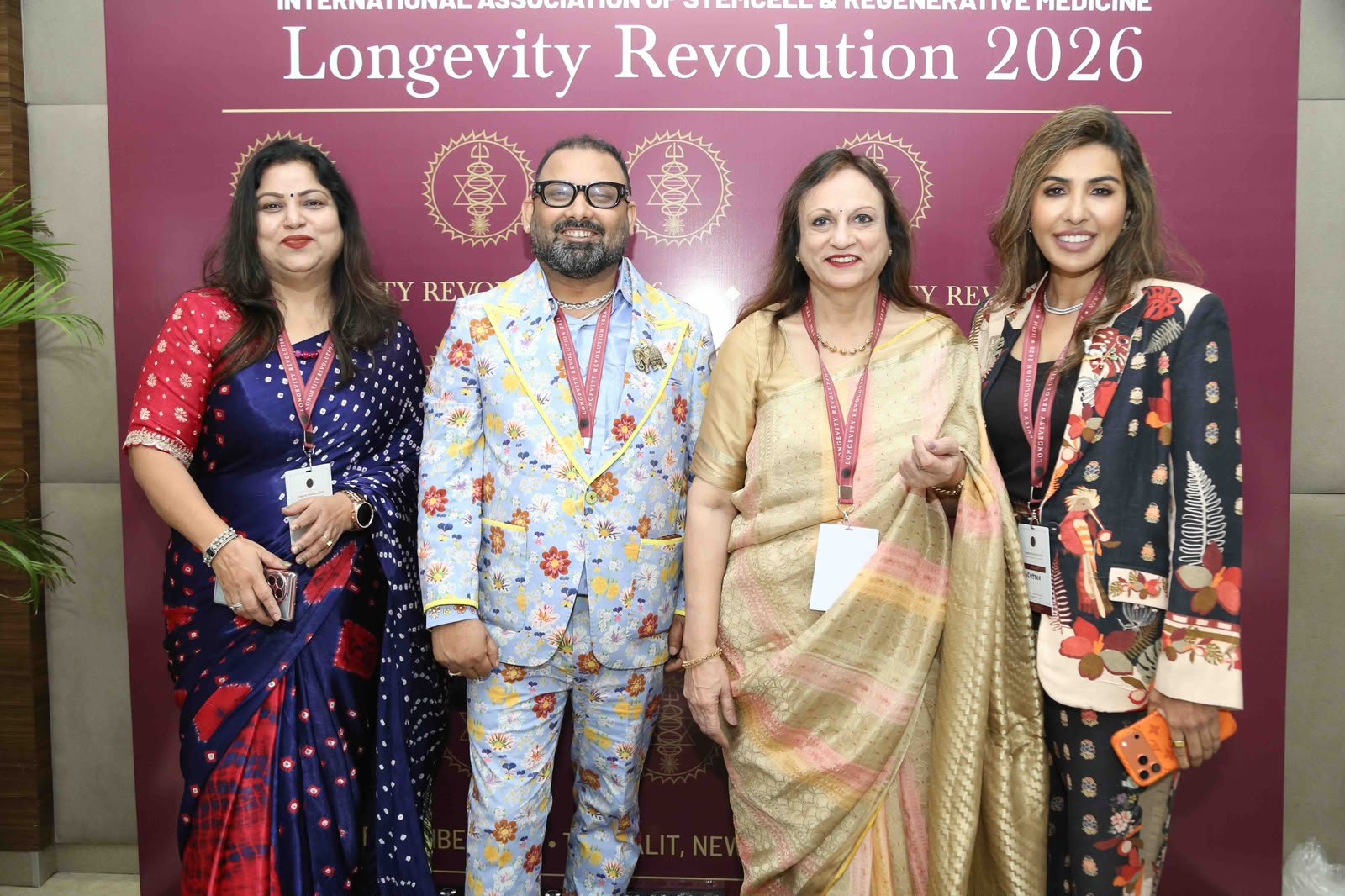
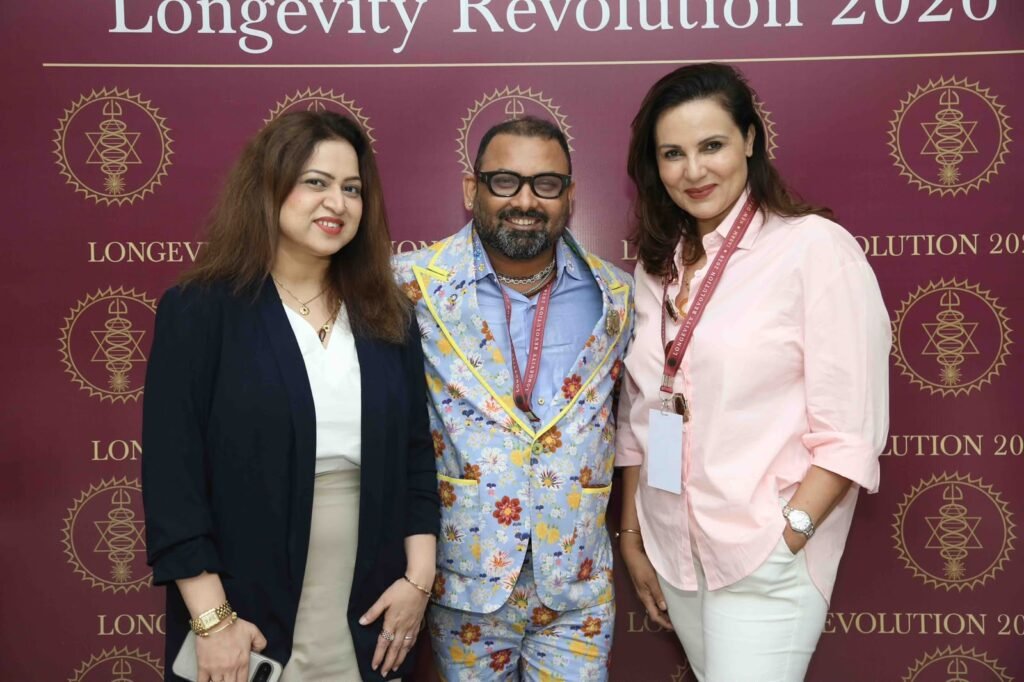
NEW DELHI, 28 September 2026: The question of how India can help its population live not only longer but healthier lives was a central theme at Longevity Revolution 2026, the 11th World Congress of the International Association of Stem Cell & Regenerative Medicine (IASRM), held at The Lalit, New Delhi, from 25 to 27 September 2026.
The congress brought together 91 faculty members from India and abroad and an estimated 150–200 delegates for scientific sessions, workshops and professional discussions examining longevity medicine, regenerative medicine, cellular therapeutics, aesthetic and functional longevity, and integrative healthcare.
The discussions took place against the backdrop of a major demographic transition. According to the India Ageing Report 2023, published by the United Nations Population Fund (UNFPA) and the International Institute for Population Sciences, India’s population aged 60 and above was estimated at 149 million in 2022 and is projected to reach 347 million by 2050. The report also projects substantial growth in the population aged 80 and above.
These projections raise important questions for healthcare systems, families and medical professionals. Longer life expectancy can create opportunities for individuals and communities, but the benefits depend in part on whether people can maintain physical function, independence and quality of life as they grow older.
At the congress, the distinction between lifespan and healthspan provided a framework for discussing these challenges. Lifespan refers to the total duration of life, while healthspan concerns the period during which a person remains in relatively good health and is able to function independently.
“India will have more than three hundred million people over sixty within a generation. The question is not whether they will live longer. It is whether those years will be healthy ones — and patients deserve answers built on evidence, not enthusiasm,” said Prabhu Chandra Mishra, Founder of IASRM and Organising Chair of the congress.
Longevity medicine seeks to identify and address health risks associated with ageing, with an emphasis on appropriate assessment and early intervention. Regenerative medicine investigates scientific approaches to tissue repair and restoration, while functional medicine examines factors such as metabolism, nutrition, sleep, stress and lifestyle in the context of health.
Although these disciplines have different approaches and levels of supporting evidence, their intersection reflects a wider interest in preventing avoidable deterioration in health and understanding the factors that influence healthy ageing. The congress highlighted the importance of evaluating individual interventions according to the quality of available research, clinical indications and relevant safety considerations.
The need for such evaluation is particularly important as consumers encounter an expanding range of products and services marketed around anti-ageing, longevity and regenerative treatments. Scientific investigation, transparent communication and appropriate clinical oversight are necessary to help distinguish established medical interventions from emerging approaches that require further study.
Longevity Revolution 2026 featured 20 scientific sessions, three hands-on workshops and 12 CME credit hours accredited by the Delhi Medical Council. The programme included a keynote by Professor Patrick Treacy on “Pathways of Ageing and Human Longevity” and a plenary moderated by Dr Narendra Malhotra.
The congress also provided an opportunity for clinicians and researchers to exchange perspectives on the role of medical education in a changing healthcare landscape. Through its conferences and fellowship programmes, IASRM aims to support continuing professional learning in stem cell science, regenerative medicine and longevity-related disciplines.
Following the congress, IASRM has invited participating faculty members to develop their presentations into research papers. The association has also announced plans for the Healthspan Standard Summit, a forthcoming initiative intended to focus on standards in longevity, regenerative and functional medicine.
As India prepares for the healthcare needs of an ageing population, the challenge extends beyond adding years to life. It also involves strengthening the evidence, education and clinical practices needed to help people make informed decisions about their health throughout those years.
ABOUT IASRM
The International Association of Stem Cell & Regenerative Medicine (IASRM) is an international professional body dedicated to education, training and scientific exchange in stem cell science, regenerative medicine and longevity medicine. Founded by Prabhu Chandra Mishra, the association has organised regenerative medicine conferences since 2014 and offers fellowship programmes across regenerative, anti-ageing, aesthetic and functional medicine.














