































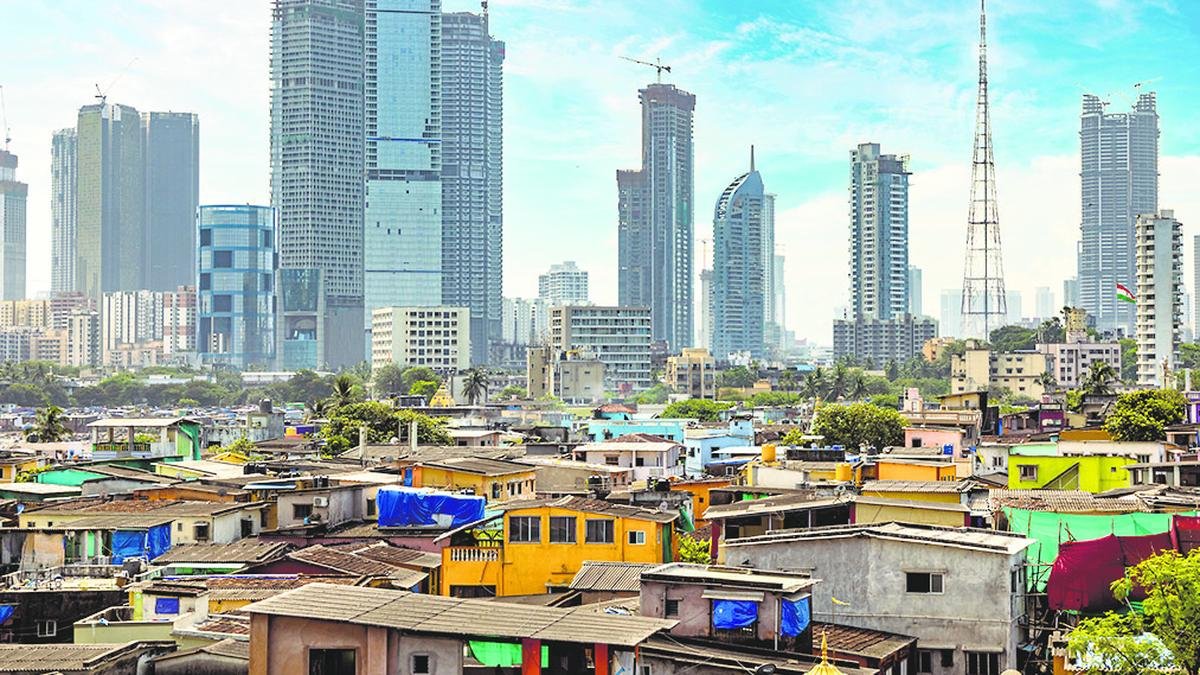
India’s major cities are facing increasing pressure from housing, food and everyday expenses. Rising rents in Bengaluru, Mumbai and Delhi-NCR are reshaping household budgets, while smaller cities are attracting residents seeking lower living costs, better affordability and improved access to jobs and infrastructure.
Why urban living costs are rising
The cost of living in India’s largest cities is being pushed higher by a combination of housing demand, employment growth, transport expenses and everyday consumption.
Recent inflation data also shows that the pressure is not limited to housing. India’s retail inflation rose to 4.45% in July 2026, with higher food prices contributing significantly to the increase. The figure remained within the Reserve Bank of India’s permitted inflation range, but food prices continue to matter because they directly affect household budgets.
At the city level, housing remains one of the biggest expenses. A March 2026 comparison based on Numbeo data showed Mumbai with the highest cost-of-living index among the major Indian cities covered, while Bengaluru also recorded significant living costs because of its housing and lifestyle expenses.
For salaried workers, the issue is not necessarily that every product has become dramatically more expensive. The bigger concern is that several recurring expenses are rising together.
Bengaluru, Mumbai and Delhi-NCR see housing pressure
Housing is where the difference between major metros and smaller cities becomes particularly visible.
Mumbai remains one of India’s most expensive residential markets. Bengaluru has also experienced strong housing demand because of its technology sector and expanding Global Capability Centre ecosystem.
Knight Frank data reported that Bengaluru recorded 27,968 housing sales during the first half of 2026, up 5% from a year earlier. Average residential prices rose 9% year on year to ₹9,354 per square foot.
Delhi-NCR faces a different housing picture, with premium homes accounting for a significant portion of available inventory.
Rental pressure is also moving beyond traditional central business districts. Major cities including Mumbai, Bengaluru, Delhi-NCR, Noida and Gurugram recorded substantial rental increases in 2025, with some markets seeing increases of up to 25%.
This has encouraged many workers to consider locations farther from their workplaces.
Rising office rents can indirectly affect workers
Commercial property costs may appear unrelated to household expenses, but they can have an indirect impact.
Prime office rents in major Indian markets have continued to rise as companies compete for quality workspace. In August 2026, Bengaluru recorded 10.7% year-on-year growth in prime office rents, while Delhi-NCR recorded 7.6% and Mumbai 4%.
Higher commercial costs do not automatically translate into higher consumer prices. However, businesses facing higher occupancy expenses may eventually factor operating costs into pricing decisions, depending on the sector and competitive environment.
The more immediate effect for employees is often location. Companies concentrated around expensive office corridors can make nearby housing unaffordable for some workers.
That creates a trade-off between paying more for housing near work and paying more in time and money for commuting from cheaper areas.
Why smaller cities are becoming more attractive
The growing cost gap is making cities outside the biggest metros more attractive to workers, students, entrepreneurs and families.
Cities such as Indore, Jaipur, Ahmedabad, Nagpur, Lucknow, Chandigarh, Coimbatore, Bhubaneswar and Kochi can offer lower housing costs in several neighbourhoods while still providing access to education, healthcare, retail and professional services.
The difference is particularly important for people who can work remotely or follow hybrid work arrangements.
A person earning a similar salary in a smaller city may have more disposable income after paying rent and daily expenses. However, this does not mean every Tier-2 city is automatically cheaper in every category.
Housing prices can vary sharply by neighbourhood. Private schools, premium healthcare, entertainment and branded retail can also be expensive outside metros.
The affordability advantage therefore depends on the individual household rather than the city label alone.
Tier-2 cities are also developing new job markets
Cost of living is only one part of the equation. People need employment opportunities before a city can become a realistic alternative to a major metro.
This is where India’s changing economic geography becomes important.
The expansion of technology services, manufacturing, logistics, healthcare, education and Global Capability Centres is creating economic activity beyond traditional metropolitan centres.
Infrastructure development can reinforce this shift. Better highways, airports, metro systems, digital connectivity and commercial developments can make smaller cities more attractive to companies and workers.
However, the depth of job opportunities remains different from Bengaluru, Mumbai, Delhi-NCR and other established employment hubs.
For many professionals, the decision will therefore depend on whether the savings in rent and commuting outweigh the difference in salary and career opportunities.
Food inflation affects every city
Housing receives most of the attention when people discuss urban affordability, but food costs can affect households across India.
India’s July 2026 retail inflation increased to 4.45%, with food prices identified as a major contributor. Reuters reported that economists were watching weather conditions, global energy prices and other supply-side risks as potential sources of future inflation pressure.
Food inflation can have a larger effect on lower and middle-income households because food represents a substantial share of monthly spending.
This means residents of smaller cities are not completely insulated from the cost-of-living pressures experienced in major metros.
The difference is that lower housing and transportation costs can sometimes provide households with more room to absorb increases in groceries and other essentials.
Transport costs change the affordability calculation
Commuting is another major factor in the metro versus smaller-city debate.
Living close to an office in Bengaluru, Mumbai or Delhi-NCR can mean paying a substantial rental premium. Moving farther away may reduce rent but increase travel time and transportation expenses.
In smaller cities, shorter commuting distances can reduce both costs and time, although public transport availability varies considerably.
For families, the calculation becomes more complicated. Parents may choose a home based on schools, healthcare facilities and access to workplaces rather than simply looking for the cheapest rent.
This is why cost-of-living comparisons should not rely on rent alone.
A lower monthly rent does not necessarily mean a lower total cost if commuting, education, healthcare and other expenses are significantly higher.
Is moving to a smaller city always cheaper?
Not necessarily.
A March 2026 comparison of major Indian cities found significant differences in reported cost-of-living and rent indices. Mumbai ranked highest in the comparison, while Kolkata, Chennai and Hyderabad appeared relatively more affordable among the cities examined.
But affordability varies within cities.
A premium neighbourhood in a Tier-2 city can cost more than a less central area of a metro. Similarly, a person with a high income may find Mumbai manageable while a lower-income worker could face serious financial pressure in a supposedly cheaper city.
The correct question is therefore not simply, Which city is cheapest?
It is, Which city provides the best balance between income, housing, commuting, family needs and quality of life?
What this means for India’s smaller cities
The rising cost of living in major metros could strengthen the economic case for India’s smaller cities.
If businesses continue expanding beyond traditional urban centres, these cities could benefit from increased housing demand, new retail businesses, restaurants, services and local employment.
But rapid growth also brings risks. If demand rises too quickly without enough housing and infrastructure, smaller cities could eventually experience their own affordability problems.
The lesson from Bengaluru and other major markets is clear: job creation and infrastructure can increase housing demand rapidly.
For Tier-2 and Tier-3 cities, planning ahead will be important. Affordable housing, public transport, healthcare, schools and reliable infrastructure will determine whether population growth improves quality of life or simply shifts affordability pressure from one city to another.
Key Takeaways
- Housing and rent remain major contributors to the cost-of-living pressure in India’s biggest cities.
- Bengaluru, Mumbai and Delhi-NCR continue to experience strong demand for residential and commercial property.
- Smaller cities can offer lower housing and commuting costs, but job opportunities and services vary.
- Rising costs could encourage more people and businesses to consider Tier-2 and Tier-3 cities.
FAQs
Why is the cost of living rising in Indian cities?
Housing demand, rental costs, food prices, transportation, services and other recurring expenses can combine to increase household spending. Inflation also affects the prices consumers pay for everyday goods.
Which Indian cities are considered expensive for living?
Mumbai is generally among India’s most expensive cities, while Bengaluru and Delhi-NCR also have significant housing and living costs. Costs vary considerably depending on neighbourhood, lifestyle and household size.
Are Tier-2 cities cheaper than Mumbai or Bengaluru?
Many Tier-2 cities offer lower housing and commuting costs, but the difference varies by city and neighbourhood. Income levels, employment opportunities, education, healthcare and lifestyle expenses also need to be considered.
Could rising metro costs increase migration to smaller cities?
Yes, particularly among remote workers, families and professionals who can access comparable employment opportunities outside major metros. However, large-scale migration will depend on jobs, infrastructure and quality public services in smaller cities.
(Internal keyword suggestions: cost of living in India 2026, rising living costs in Indian cities, Bengaluru cost of living, Mumbai cost of living, Delhi NCR rent prices, Tier-2 cities India, affordable cities in India, India inflation 2026, smaller cities vs metro cities, housing costs India 2026)