





























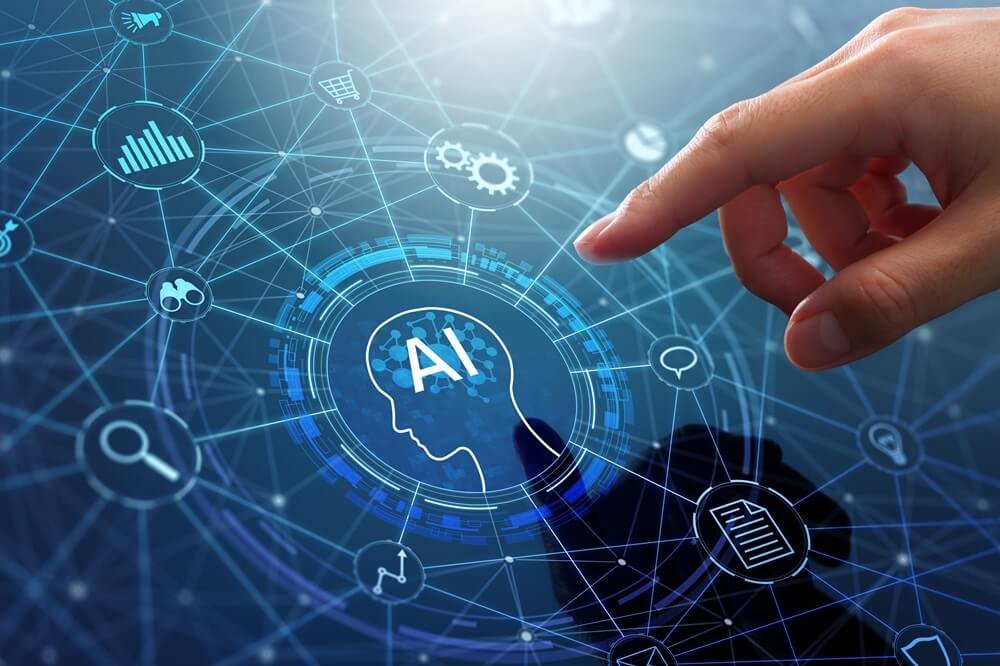
India’s AI startups are building practical solutions for healthcare and education in 2026, moving beyond experimental tools to real-world applications. From assisting doctors with faster diagnostics to helping students receive personalized learning support, artificial intelligence is becoming an important part of India’s digital transformation.
The growth of Indian AI startups in healthcare and education reflects a broader shift toward solving everyday problems through technology. Government initiatives supporting artificial intelligence, rising digital adoption, and increased startup funding have encouraged entrepreneurs to develop solutions that improve medical services, classroom learning, and skill development. While challenges around regulation, privacy, and accessibility remain, AI is increasingly becoming a practical tool rather than a futuristic concept.
Healthcare AI Startups Are Supporting Doctors, Not Replacing Them
Healthcare has emerged as one of the strongest sectors for AI innovation in India.
Many startups are developing software that helps doctors analyze medical images, identify early signs of diseases, manage hospital workflows, and assist in clinical decision-making. These systems are designed to improve efficiency and reduce the time required for routine analysis while ensuring that final medical decisions remain with qualified healthcare professionals.
Artificial intelligence is also being used in pathology, radiology, ophthalmology, and cardiology. AI-assisted screening enables hospitals to process large volumes of diagnostic data more efficiently, particularly in areas where specialists are limited.
Telemedicine platforms have also integrated AI-powered symptom assessment, appointment scheduling, and patient support features. These tools help improve access to healthcare, especially for patients living in Tier 2 and Tier 3 cities where specialist services may not always be readily available.
Experts believe AI will continue to serve as a decision-support system rather than replacing doctors, allowing healthcare professionals to focus more on patient care.
Artificial Intelligence Is Personalizing Education
Education technology remains another major area where Indian AI startups are creating measurable impact.
Modern learning platforms now use artificial intelligence to analyze student performance and recommend customized study plans. Instead of following the same learning pace, students receive lessons based on their strengths, weaknesses, and progress.
AI-powered tutors can explain concepts, generate practice questions, provide instant feedback, and help students prepare for competitive examinations. Teachers also benefit from automated grading, lesson planning assistance, and classroom performance analytics.
Several startups are introducing multilingual AI learning tools to support students who study in regional languages. This is particularly important in India, where language diversity often limits access to high-quality educational resources.
As digital education expands beyond metropolitan cities, AI-based learning platforms are becoming increasingly accessible to students from smaller towns and rural communities.
Government Policies Encourage Responsible AI Development
India’s artificial intelligence ecosystem has received additional momentum through government initiatives that encourage innovation while promoting responsible technology development.
Programs supporting AI research, digital public infrastructure, semiconductor manufacturing, startup incubation, and digital education have created opportunities for entrepreneurs across multiple sectors.
The IndiaAI Mission has strengthened efforts to improve computing infrastructure, datasets, AI skill development, and startup support. These initiatives aim to help Indian companies build indigenous AI capabilities while reducing dependence on foreign technology ecosystems.
Regulators are also placing greater emphasis on ethical AI, transparency, data privacy, and cybersecurity. Startups operating in healthcare and education must comply with evolving legal frameworks to ensure responsible use of sensitive personal information.
This balance between innovation and regulation is expected to shape India’s AI industry over the coming years.
Tier 2 and Tier 3 Cities Are Becoming Growth Markets
One of the most significant trends in 2026 is the increasing adoption of AI solutions beyond major metropolitan areas.
Healthcare providers in smaller cities are deploying AI-assisted diagnostic systems to improve patient care without requiring large specialist teams. Educational institutions are also adopting AI-powered learning platforms to bridge teacher shortages and enhance classroom outcomes.
Affordable smartphones, faster internet connectivity, and government-led digital initiatives have made advanced technology more accessible across India.
Many startups now design products specifically for users outside metro cities by offering multilingual interfaces, offline functionality, and low-bandwidth compatibility.
This shift demonstrates that India’s AI ecosystem is no longer focused solely on urban consumers but increasingly addresses the needs of diverse populations across the country.
Challenges Continue Despite Rapid Growth
Although AI adoption is expanding rapidly, several challenges remain.
Access to high-quality training data, reliable digital infrastructure, cybersecurity, and user trust continue to influence how quickly AI solutions can scale. Healthcare applications require extensive clinical validation, while education platforms must ensure accuracy and avoid bias in learning recommendations.
Another important challenge is workforce readiness. Doctors, teachers, and administrators require adequate training to integrate AI effectively into existing workflows.
Experts also caution against overdependence on automated systems. Artificial intelligence should complement human expertise rather than replace professional judgment, particularly in sectors where decisions directly affect health and education outcomes.
Addressing these challenges will determine how successfully India can translate AI innovation into long-term public benefit.
The Future of India’s AI Ecosystem
Indian AI startups are entering a more mature phase of development.
Instead of focusing solely on experimental technologies, entrepreneurs are increasingly building practical products that solve real-world problems in healthcare and education. As investment, policy support, and digital infrastructure continue to improve, AI is expected to become an integral part of everyday services across India.
The coming years are likely to witness stronger collaboration between startups, educational institutions, healthcare providers, and government agencies. This ecosystem approach can accelerate innovation while ensuring technology remains accessible, affordable, and beneficial for a wider population.
Key Takeaways
- Indian AI startups are developing practical healthcare and education solutions rather than experimental products.
- AI is helping doctors improve diagnostics while supporting teachers through personalized learning tools.
- Government initiatives such as the IndiaAI Mission are strengthening India’s artificial intelligence ecosystem.
- Tier 2 and Tier 3 cities are emerging as important markets for AI-driven healthcare and education services.
FAQ
Q1. How are AI startups improving healthcare in India?
They are developing solutions for medical imaging analysis, clinical decision support, hospital management, telemedicine, and early disease detection, helping healthcare professionals work more efficiently.
Q2. How is artificial intelligence changing education?
AI enables personalized learning, automated assessments, multilingual education tools, intelligent tutoring, and performance analytics for both students and teachers.
Q3. What is the IndiaAI Mission?
The IndiaAI Mission is a Government of India initiative aimed at strengthening AI infrastructure, computing capacity, datasets, research, skill development, and startup innovation while promoting responsible artificial intelligence.
Q4. Why are Tier 2 and Tier 3 cities important for AI startups?
Growing internet access, smartphone adoption, digital education, and healthcare demand are creating new opportunities for AI startups to deliver affordable technology solutions beyond major metropolitan areas.
(Internal keyword suggestions: Indian AI startups 2026, AI in healthcare India, AI in education India, IndiaAI Mission, healthcare AI startups, EdTech AI India, artificial intelligence startups India, AI innovation India)