



























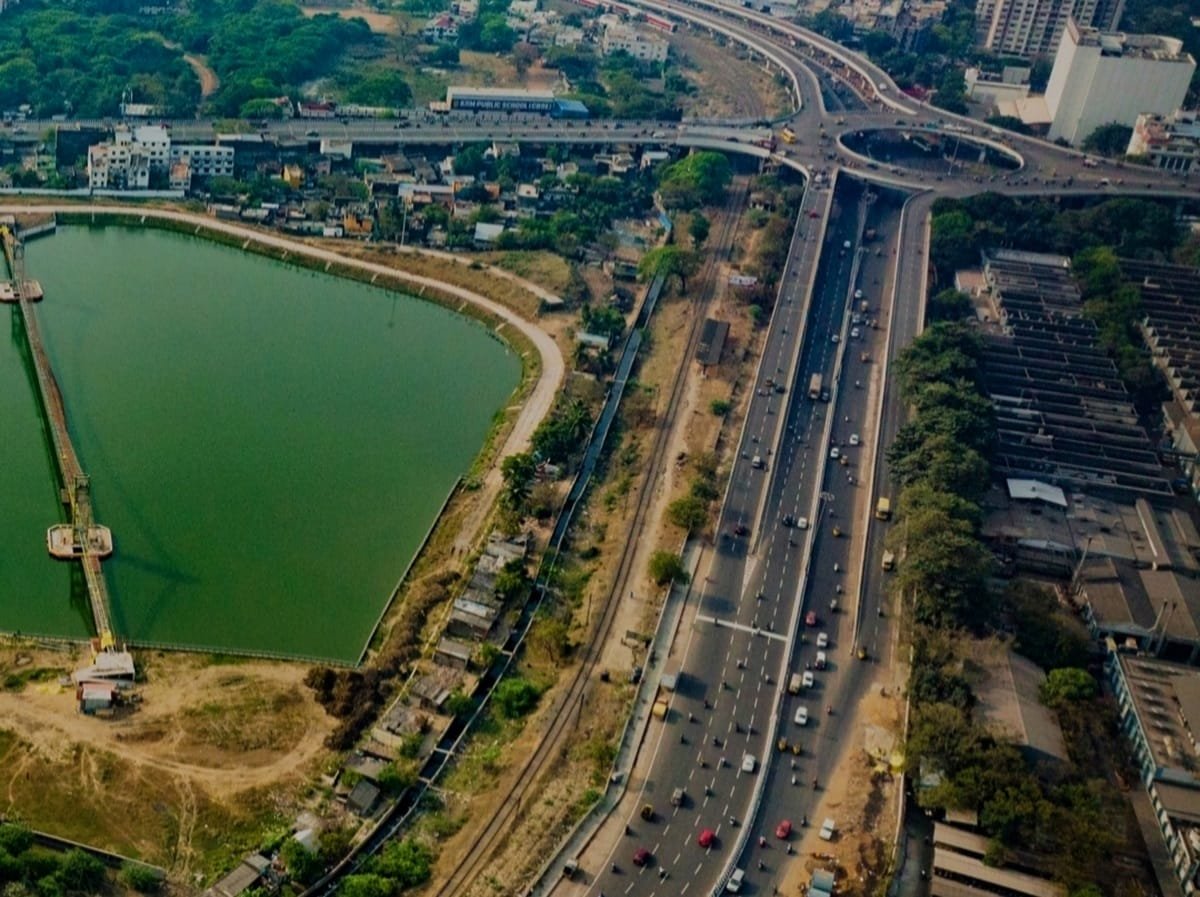
Chennai’s Smart City expansion continues to reshape the city’s urban landscape through new roads, public spaces, stormwater drainage, digital governance, and mobility projects. As several initiatives move into implementation during 2026, residents can expect improvements in everyday civic services, although some projects are still under construction.
Chennai’s Smart City expansion remains an important urban development story in 2026 as the city builds on projects launched under the Smart Cities Mission and complementary state initiatives. The focus has shifted from announcing new plans to completing infrastructure that improves mobility, flood resilience, public amenities, and digital services. These developments are expected to influence how residents commute, access public spaces, and interact with civic authorities over the coming years.
Smart City Projects Enter the Completion Phase
Unlike the early years of the Smart Cities Mission, Chennai is now focused on delivering projects that have already been approved. Many civic works involve road improvements, pedestrian-friendly streets, modern public spaces, integrated command systems, and upgraded civic infrastructure.
Several redevelopment projects have been completed or are in advanced stages, including improvements to parks, lakes, public buildings, and urban streets. The Greater Chennai Corporation has also continued work on neighbourhood-level infrastructure designed to improve accessibility and the quality of public spaces.
Officials say the objective is to create infrastructure that serves residents beyond aesthetics by improving safety, accessibility, and long-term maintenance. This approach reflects a broader shift toward sustainable urban development rather than isolated beautification projects.
Stormwater Drainage Remains a Top Priority
Flood mitigation continues to be one of Chennai’s biggest infrastructure priorities following repeated episodes of heavy rainfall over the past decade.
Large investments have been made in constructing new stormwater drains across vulnerable zones. These projects are intended to improve rainwater flow, reduce waterlogging, and strengthen the city’s resilience during the northeast monsoon.
The Greater Chennai Corporation has expanded drainage networks in multiple areas while integrating them with existing canals and waterways wherever possible. Experts note that drainage alone cannot eliminate flooding, but coordinated maintenance of water bodies, encroachment removal, and improved waste management are equally important for long-term flood control.
Residents are expected to benefit from reduced disruption during moderate rainfall as additional drainage systems become operational across different parts of the city.
Roads, Junctions and Public Transport Upgrades Improve Connectivity
Transport infrastructure forms another major component of Chennai’s Smart City expansion.
Road widening, junction redesign, pedestrian crossings, and footpath improvements are being implemented to make urban mobility safer and more efficient. Several intersections have been redesigned to improve traffic flow while reducing congestion during peak hours.
The city is also benefiting from the continued expansion of Chennai Metro Rail. Although the metro is managed separately from the Smart Cities Mission, both initiatives complement each other by encouraging integrated urban mobility.
Improved connectivity between metro stations, bus services, pedestrian pathways, and cycling infrastructure is expected to make public transport a more practical option for daily commuters.
As these projects progress, authorities are also working on reducing traffic bottlenecks through better traffic management systems supported by digital monitoring technologies.
Digital Governance and Smart Civic Services Expand
Smart cities are not limited to physical infrastructure. Digital governance has become an equally important part of Chennai’s urban transformation.
The city has expanded integrated command and control systems that help civic agencies monitor traffic, sanitation, public safety, emergency response, and municipal operations from centralized facilities.
Residents increasingly access civic services through online portals and mobile applications for tax payments, grievance registration, certificates, and service requests. These digital platforms reduce paperwork while improving transparency and response times.
Smart street lighting has also been introduced in several areas, helping reduce electricity consumption while improving visibility and public safety during nighttime.
The continued use of data-driven governance is expected to improve resource allocation and enable faster responses to civic issues across different neighbourhoods.
Public Spaces and Environmental Projects Gain Attention
Urban development in Chennai now places greater emphasis on improving public spaces alongside transport infrastructure.
Several parks, playgrounds, waterfront areas, and recreational spaces have undergone redevelopment to provide residents with cleaner and more accessible community environments.
Environmental sustainability has also become a major focus. Tree plantation drives, lake restoration projects, waste management improvements, and energy-efficient public infrastructure are gradually becoming part of city planning.
These initiatives not only improve quality of life but also contribute to reducing urban heat and supporting climate resilience.
While challenges remain, including maintenance and rapid urbanisation, city planners increasingly recognize that public infrastructure must balance development with environmental protection.
What Residents Should Expect in the Coming Years
The benefits of Chennai’s Smart City expansion will become more visible as ongoing projects reach completion.
Residents can expect better roads, improved drainage, enhanced digital services, safer pedestrian infrastructure, and more accessible public spaces. However, some construction activity and temporary traffic diversions are likely to continue until major works are finished.
Urban experts also point out that long-term success depends not only on infrastructure creation but also on consistent maintenance, efficient governance, and active public participation.
As Chennai continues to grow, investments in resilient infrastructure, technology-driven governance, and sustainable urban planning are expected to play an increasingly important role in supporting the city’s economic development and improving everyday life for millions of residents.
Key Takeaways
- Chennai’s Smart City expansion is focused on completing civic infrastructure already under implementation.
- Stormwater drainage, roads, metro connectivity, and digital governance remain the city’s key priorities.
- Public spaces, parks, and environmental projects are becoming an important part of urban planning.
- Long-term benefits will depend on effective maintenance, integrated planning, and citizen participation.
FAQ
Q1. What is the main objective of Chennai’s Smart City expansion?
The primary goal is to improve urban infrastructure through better roads, drainage, digital governance, public spaces, and sustainable city planning.
Q2. How will residents benefit from these projects?
Residents are expected to experience improved mobility, better flood management, faster civic services, safer public spaces, and enhanced urban amenities.
Q3. Is Chennai Metro part of the Smart City Mission?
The Chennai Metro Rail project operates separately, but it complements Smart City initiatives by strengthening public transport and urban connectivity.
Q4. Are all Smart City projects complete?
No. While many projects have been completed, several civic infrastructure and urban development works continue across different parts of Chennai.
(Internal keyword suggestions: Chennai Smart City expansion, Chennai Smart City projects 2026, Chennai civic infrastructure, Greater Chennai Corporation projects, Chennai Metro expansion, Chennai stormwater drainage, Chennai urban development, Smart Cities Mission Chennai)