




























India’s electric passenger vehicle market is on track for a record-breaking year in 2026 as rising consumer demand, improved charging infrastructure, competitive pricing and new model launches accelerate EV adoption across both metropolitan and emerging cities.
India’s EV revolution is entering a new phase in 2026, with the country’s electric passenger vehicle market expected to register its strongest annual sales yet. Industry estimates suggest that electric car adoption is accelerating as buyers increasingly consider EVs a practical alternative to petrol and diesel vehicles. Improved charging infrastructure, expanding model choices and falling ownership costs are helping drive this shift.
While electric vehicles still account for a relatively small share of India’s overall passenger vehicle market, their growth rate continues to outpace conventional segments. Automakers are responding with new launches across different price points, making EV ownership more accessible for urban and semi-urban buyers alike.
Electric Passenger Vehicle Sales Continue to Rise
The Indian EV market has recorded consistent growth over the past few years, supported by government incentives, technological improvements and changing consumer preferences. Passenger electric vehicle sales are projected to cross a new annual record in 2026 if current demand trends continue.
Manufacturers including Tata Motors, Mahindra, MG Motor India, Hyundai, BYD and several upcoming brands have expanded their electric vehicle portfolios. Premium manufacturers are also introducing luxury electric SUVs and sedans, giving buyers more options than ever before.
The increasing availability of vehicles across hatchback, sedan and SUV categories has broadened the appeal of EVs beyond early adopters. Buyers who were previously concerned about limited choices now have multiple alternatives based on budget and driving needs.
Charging Infrastructure Expands Across India
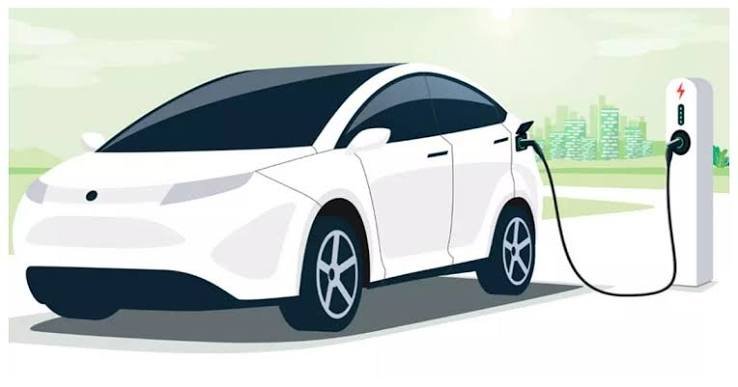
One of the biggest factors supporting India’s EV growth is the rapid expansion of public charging infrastructure. Charging stations are becoming more common along highways, within cities, shopping malls, office complexes and residential communities.
State governments and private companies continue investing in fast-charging networks to reduce range anxiety, which remains one of the biggest concerns for first-time EV buyers.
Several charging providers are also introducing mobile applications that allow users to locate nearby charging stations, monitor charger availability and make digital payments. These improvements have made long-distance EV travel increasingly practical.
The growth of home charging solutions has also encouraged apartment residents and independent homeowners to consider switching to electric vehicles.
Government Policies Continue to Support EV Adoption
Government initiatives remain an important driver of India’s electric mobility strategy. Various central and state-level policies have encouraged investment in EV manufacturing, battery production and charging infrastructure.
Many states continue to offer incentives such as reduced registration charges, road tax exemptions or subsidies for eligible electric vehicles, although the benefits vary by state and are periodically updated.
India is also working to strengthen domestic battery manufacturing under production-linked incentive schemes, with the goal of reducing dependence on imported battery components over the long term.
Industry experts believe continued policy stability will play an important role in sustaining EV growth during the coming years.
Tier 2 and Tier 3 Cities Become New Growth Markets
Electric vehicle adoption is no longer limited to Delhi, Mumbai, Bengaluru or Hyderabad. Smaller cities are emerging as important contributors to future EV sales.
Improved charging availability, better road connectivity and increasing awareness have encouraged buyers in Tier 2 and Tier 3 cities to explore electric mobility. Rising fuel prices have also prompted many families to calculate long-term savings offered by EV ownership.
Fleet operators, taxi services and businesses are increasingly adopting electric vehicles because of their lower running costs compared to conventional fuel-powered cars.
As financing options improve and dealerships expand their presence in smaller markets, industry analysts expect demand from these regions to continue rising.
Challenges Still Remain for the EV Industry
Despite strong growth prospects, India’s EV sector continues to face several challenges. Battery costs remain one of the largest components of vehicle pricing, making some electric cars more expensive than comparable petrol models.
Charging infrastructure, although expanding rapidly, is still unevenly distributed across rural areas. Buyers living in locations with limited charging access may continue to hesitate before making the switch.
Another challenge involves consumer awareness. Many first-time buyers still have questions regarding battery life, maintenance costs, resale value and long-term ownership expenses.
Manufacturers are addressing these concerns by offering longer battery warranties, roadside assistance and dedicated EV service networks.
What the Record Sales Projection Means
If India achieves record electric passenger vehicle sales in 2026, it would represent another significant milestone in the country’s transition toward cleaner transportation.
Growing competition among manufacturers is expected to introduce more affordable models with better driving range and advanced technology features. Consumers are likely to benefit from improved product quality and increased innovation as companies compete for market share.
The coming years will determine how quickly electric vehicles move from being an emerging category to becoming a mainstream choice for Indian families. Current market trends suggest that India’s EV revolution is steadily gathering momentum.
Key Takeaways
- India’s electric passenger vehicle market is projected to achieve record annual sales in 2026.
- More vehicle choices, improved charging infrastructure and supportive government policies are driving demand.
- Tier 2 and Tier 3 cities are becoming important contributors to India’s EV growth story.
- Battery costs and charging availability remain key challenges despite rapid market expansion.
Frequently Asked Questions
Q1. Why are electric vehicle sales increasing in India?
Improved charging infrastructure, wider model availability, supportive government policies and lower running costs are encouraging more consumers to choose electric vehicles.
Q2. Which cities are driving EV adoption?
While major metropolitan cities remain important markets, Tier 2 and Tier 3 cities are witnessing increasing demand due to expanding infrastructure and growing consumer awareness.
Q3. Are electric vehicles cheaper to maintain than petrol cars?
In general, electric vehicles have fewer moving parts and lower routine maintenance requirements, although battery replacement costs remain an important long-term consideration.
Q4. What are the biggest challenges facing India’s EV market?
Battery pricing, charging infrastructure in rural areas, consumer awareness and supply chain development continue to be the primary challenges.
(Internal Keyword Suggestions: India EV market 2026, electric passenger vehicle sales India, electric car sales record, EV adoption India, charging infrastructure India, electric vehicles India, EV news India, Tier 2 EV market, battery manufacturing India, passenger EV growth)