































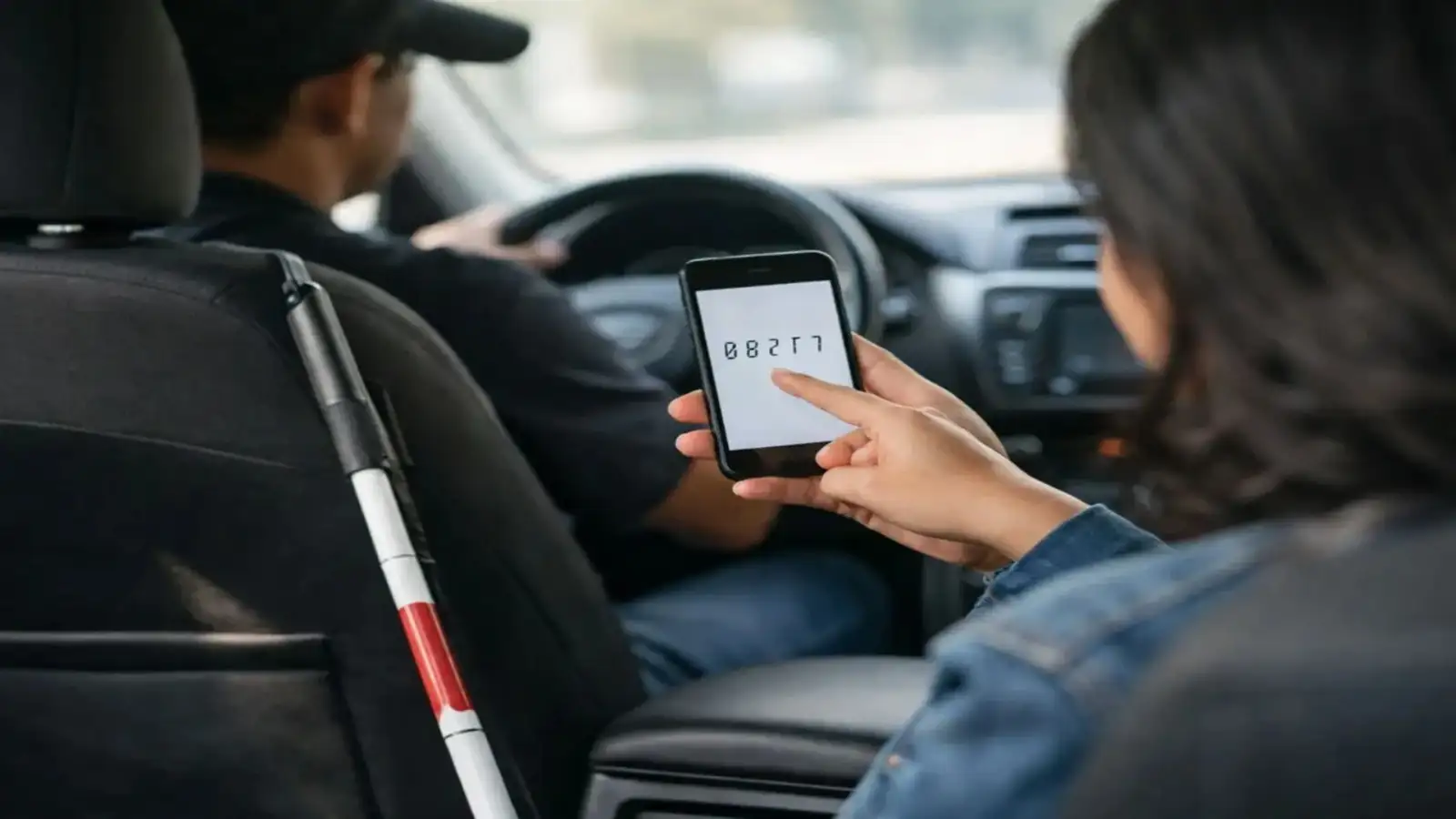
A viral social media post about an Uber driver asking passengers not to give him a five-star rating has triggered widespread discussion online. The unusual request left many users confused, while others began questioning how rating systems affect drivers working in the gig economy.
The story has gained significant attention because it challenges a common assumption among ride-hailing users: that a five-star rating is always the best way to appreciate a driver’s service. As screenshots and personal accounts circulated online, social media users started debating whether rating systems are helping or hurting drivers.
Viral Uber Driver Story Captures Internet Attention
The viral incident reportedly involved an Uber driver who politely asked a passenger not to leave a five-star rating after completing the ride. Instead, the driver allegedly requested a lower rating or no rating at all.
The unusual interaction quickly found its way onto social media platforms, where users expressed surprise and curiosity. Many people shared their own experiences with ride-hailing services, while others speculated about the reasons behind the driver’s request.
The story gained traction because ratings have become a fundamental part of digital platforms. Whether using food delivery apps, e-commerce services, hotels, or ride-hailing platforms, consumers are routinely encouraged to leave ratings and reviews.
In most situations, higher ratings are viewed as beneficial. This is why the driver’s request immediately stood out and sparked a larger conversation about how app-based performance systems operate behind the scenes.
Understanding the Role of Driver Ratings in Ride-Hailing Apps
Driver ratings play a crucial role in platforms such as Uber and other ride-hailing services. Ratings are often used to measure customer satisfaction and help maintain service quality.
A driver’s average rating can influence their standing on the platform. While exact policies may vary over time and by region, consistently low ratings can affect driver performance reviews and, in some cases, continued access to the platform.
At the same time, some drivers have argued that rating systems do not always accurately reflect service quality. Factors beyond a driver’s control, such as traffic congestion, route preferences, surge pricing, or technical issues, can sometimes influence passenger feedback.
This broader context may explain why conversations about ratings often generate strong reactions from both passengers and drivers.
Why Some Drivers Criticize Performance Metrics
The viral Uber driver story has reopened discussions about the pressures associated with gig economy work.
Many drivers depend on digital platforms for their primary income. As a result, ratings, acceptance rates, cancellation rates, customer reviews, and other performance indicators can significantly impact their work experience.
Labor experts and gig economy researchers have previously noted that algorithm-based systems can create stress for workers. Drivers may feel compelled to maintain consistently high ratings while managing factors they cannot fully control.
Some online commenters suggested that the driver’s unusual request could reflect frustration with platform expectations or rating mechanics. Others speculated that certain incentive programs or customer behavior patterns may influence how drivers view ratings.
However, without direct confirmation from the driver involved, these explanations remain speculative. What is clear is that the incident has encouraged many users to think more critically about how digital rating systems function.
Internet Reactions Reveal Divided Opinions
Social media reactions have been sharply divided.
One group of users viewed the driver’s request as humorous and harmless. They argued that the incident highlights the sometimes confusing nature of app-based performance systems and customer feedback mechanisms.
Another group believed the story reflects deeper concerns about the gig economy. Some commenters argued that workers often face pressure to maintain near-perfect ratings despite challenging working conditions.
Others questioned whether consumers truly understand the consequences of the ratings they leave. Several users admitted they rarely think about how a single review might affect a driver’s overall score.
Meanwhile, some social media users remained skeptical and suggested that viral stories often lack full context. They emphasized the importance of understanding platform policies before drawing conclusions from a single incident.
The Bigger Conversation About Digital Reputation Systems
The viral debate extends beyond Uber and ride-hailing services.
Today, digital reputation systems influence countless industries. Food delivery workers, freelance professionals, online sellers, hotel operators, and content creators all rely on ratings and reviews to build credibility.
While ratings help consumers make informed decisions, critics argue that oversimplified scoring systems can sometimes fail to capture the full picture of a person’s performance.
The Uber driver incident has become a reminder that behind every rating is a real individual whose work may be affected by customer feedback. It has also encouraged broader discussions about transparency, fairness, and accountability within the growing gig economy.
As the story continues to circulate online, it demonstrates how a simple interaction between a driver and passenger can spark a nationwide conversation about work, technology, and digital trust.
Takeaways
- An Uber driver’s request to avoid a five-star rating recently went viral on social media.
- The incident sparked discussions about ride-hailing ratings and gig economy pressures.
- Driver ratings play an important role in app-based performance systems.
- The debate has highlighted broader questions about fairness and transparency in digital reputation systems.
FAQ
Why did the Uber driver’s request go viral?
The request was unusual because most people assume drivers prefer five-star ratings. The unexpected nature of the interaction attracted widespread attention online.
Do ratings affect Uber drivers?
Ratings are an important part of ride-hailing platforms and can influence a driver’s performance record and customer perception.
Why are some drivers critical of rating systems?
Some drivers argue that ratings may be affected by factors beyond their control, including traffic, pricing, and passenger expectations.
What larger issue does this story highlight?
The incident has sparked discussions about digital reputation systems, worker accountability, and the challenges faced by gig economy workers.
(Uber driver viral story, Uber rating system, ride-hailing app ratings, gig economy debate, viral social media news, Uber driver request, passenger ratings, digital reputation systems)