
















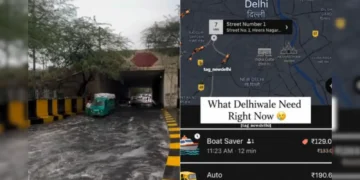




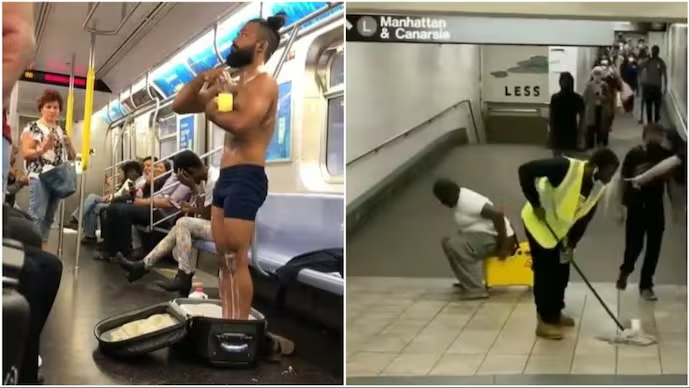
From absurd memes to AI-generated videos, strange Indian internet trends can move from a small social media post to millions of views within hours. A massive online audience, short-form video culture, humour and algorithmic recommendations are helping reshape how trends emerge and spread across India.
India’s internet culture is changing rapidly
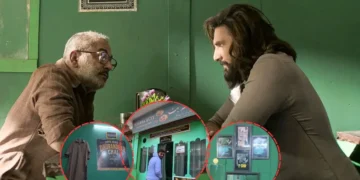
Indian internet trends are no longer driven only by celebrities, films or major news events. A random meme, unusual street video, AI-generated clip or humorous reaction can now become a national talking point without coming from a traditional media outlet.
The scale of India’s digital audience is a major reason. Reuters reported in January 2026 that India had approximately 1.02 billion internet users and around 750 million smartphones as of September 2025. The country also had about 500 million unique social media users, while YouTube and Instagram each had audiences approaching 500 million.
This creates an enormous environment for trends to travel quickly. A video that initially attracts attention in one city can be shared by users in completely different regions within a short period.
The result is an internet culture where local humour can become national entertainment, sometimes without users even knowing where the original trend started.
Why memes work so well with Indian audiences
Memes succeed because they compress an idea into something that can be understood almost instantly.
A familiar situation such as a strict parent, examination pressure, office frustration, traffic, cricket disappointment or an awkward family conversation can be converted into a short video or image. Users do not need extensive context to understand the joke.
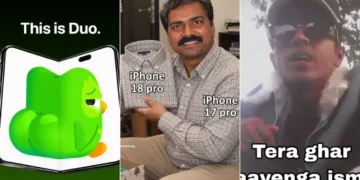
Indian meme culture also relies heavily on adaptation. Once a format becomes popular, creators rarely copy it exactly. They modify the dialogue, language, characters or situation to suit their own audience.
That is particularly important in a country with multiple languages and distinct regional cultures. The same basic meme format can appear in Hindi, Marathi, Bengali, Tamil, Telugu or Hinglish versions.
This makes a trend more flexible and gives users a reason to participate rather than simply watch.
Short videos have changed how trends spread
Short-form video has made internet trends much faster.
Platforms built around Reels and other short videos reward content that can capture attention quickly. A creator does not necessarily need a large following for a video to reach a wider audience.
A successful clip can be watched, shared, remixed and recreated by thousands of people. Each new version can introduce the trend to another group.
India’s large social media audience gives this process considerable scale. Reuters reported that Indians spent an average of about 3.2 hours per day on social media apps in 2025.
This does not mean every viral video is genuinely popular across the entire country. Platform algorithms personalise feeds, so a trend can appear unavoidable within one group while remaining almost invisible to another.
That distinction matters when describing something as a national internet trend.
AI videos are making the internet stranger
Artificial intelligence has added another layer to viral content.
AI tools can now generate images, voices and videos that would previously have required significant editing skills. This has lowered the barrier for ordinary users who want to create unusual visual content.
A recent example came from outside India but illustrates how the format can evolve. Manchester City footballer Erling Haaland and YouTuber MrBeast recreated a viral AI-generated meme in real life, showing how an internet joke can move from synthetic content into real-world entertainment.
India is experiencing a similar convergence between AI, memes and short videos. A creator can take a familiar public figure, fictional situation or popular dialogue and transform it into an AI-generated visual joke.
The technology itself is not what guarantees virality. The content still needs to be understandable, surprising or entertaining enough for people to share.
Relatability matters more than production quality
One reason strange videos can outperform professionally produced content is relatability.
A highly polished advertisement may look impressive but still feel distant from the viewer. A low-budget video filmed on a phone can feel more authentic because it resembles the content people already see from friends and creators.
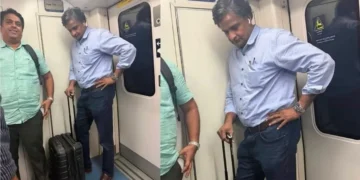
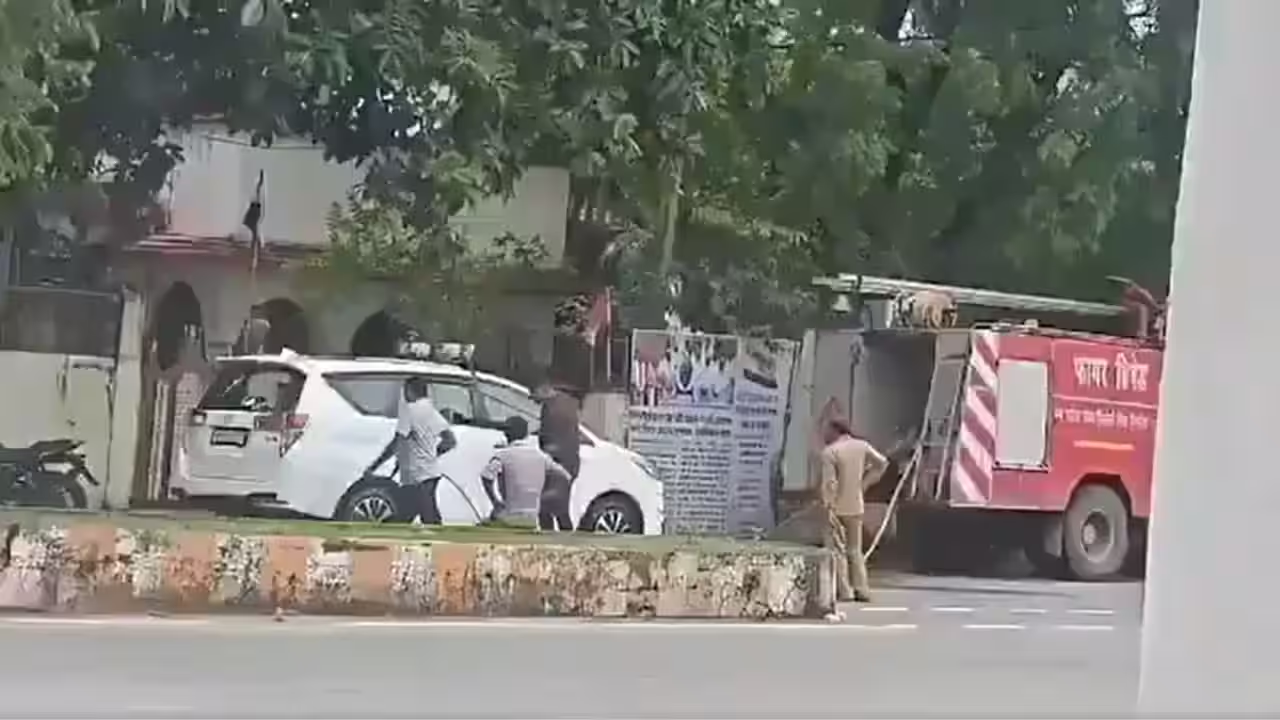
This is especially visible in Tier-2 and Tier-3 cities, where local experiences can become social media content. A funny shop sign, unusual local announcement, wedding moment, food combination or public interaction can become a meme once someone records and shares it.
The original creator may have intended the video for a small audience. Once viewers begin adding their own captions, reactions or remixes, the content develops a life of its own.
In this sense, virality is often less about technical quality and more about whether people immediately recognise something familiar in the content.
Algorithms reward attention, not necessarily importance
A major factor behind viral trends is recommendation technology.
Social platforms analyse signals such as viewing behaviour, interactions, shares and other forms of engagement to decide which content to recommend. This can cause unusual or surprising material to receive more exposure once users begin interacting with it.
That creates an important difference between what is important and what is visible.
A serious policy development may affect millions of people but receive less engagement than a 15-second comedy clip. Conversely, an absurd video can dominate social media discussions for a day without having any lasting significance.
Recent Indian reporting has also highlighted how online content can be shaped by AI and social media strategies. Hindustan Times reported in September 2026 that AI-generated reels and posters were being used extensively in Delhi University student election campaigning, showing how AI-assisted content has moved beyond entertainment into other areas of online communication.
Why AI-generated trends also create risks
The same technology that makes funny videos easier to create can make misleading content easier to produce.
India’s government has acknowledged growing risks from deepfakes and synthetic media. In August 2026, the Ministry of Electronics and Information Technology said amendments to the IT Rules had strengthened requirements concerning synthetically generated information, including provisions around labelling, traceability and unlawful AI-generated content.
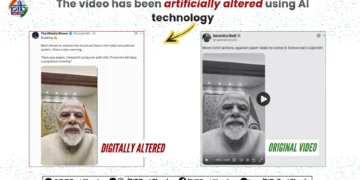
The Press Information Bureau has also reported that its Fact Check Unit has identified claims involving AI-generated and misleading videos, images, notifications and websites.
This makes verification increasingly important. A strange video can be funny and harmless, but viewers should not automatically assume that every realistic-looking clip is genuine.
A celebrity appearing to say something unusual, a dramatic news-looking video or an apparently authentic photograph may require verification before being shared.
Why strange trends disappear just as quickly
Virality is often temporary because social media users are constantly exposed to new content.
Once thousands of creators begin making the same meme, its novelty decreases. Audiences move towards another format, another sound or another joke.
This explains why internet trends can have extremely short life cycles. A phrase that dominates Instagram one week can become almost irrelevant the next.
Some trends survive because they become reusable formats. Others disappear after a single viral moment.
For news publishers, this creates a challenge. Reporting on a viral trend requires speed, but publishing too quickly can amplify inaccurate information. The useful approach is to identify what is actually verified, explain why the content became popular and separate genuine developments from social media speculation.
What viral internet culture says about India
India’s internet culture is becoming increasingly participatory. Users are not simply consuming entertainment. They are remixing, translating, parodying and recreating it.
A meme can cross language barriers. An AI image can become a short video. A local joke can become a national trend. A celebrity can recreate a meme that originally came from an anonymous creator.
At the same time, the growing influence of AI means audiences need stronger digital literacy. The ability to recognise manipulated or synthetic content is becoming as important as the ability to understand a meme.
The strange nature of some viral trends is therefore not accidental. It reflects a combination of India’s huge online population, cheap and widespread smartphone access, short-video consumption, participatory meme culture and increasingly accessible AI tools.
Key Takeaways
- India’s enormous internet and smartphone user base gives unusual online content a large potential audience.
- Memes spread because users can quickly adapt familiar formats to different languages, regions and situations.
- AI tools are making synthetic images and videos easier to create, expanding the range of content that can go viral.
- Viral content should not automatically be treated as factual, particularly when it involves AI-generated images, videos or claims.
Frequently Asked Questions
Why do strange videos go viral in India?
Strange videos can attract attention because they are surprising, humorous or highly relatable. Once users begin watching and sharing them, platform recommendations can expose the content to much larger audiences.
How does AI contribute to viral internet trends?
AI makes it easier to create unusual images, voices and videos without advanced editing skills. Creators can combine AI-generated material with existing memes, jokes and popular formats.
Are all viral AI videos fake?
No. AI-generated content can be fictional, satirical, experimental or misleading. Viewers should check the original source and context before assuming that a realistic-looking AI video represents a real event.
How can people verify a viral video?
Check whether credible news organisations or official accounts have reported the same event, look for the original upload and examine whether the video’s context has been altered. For government-related claims, official fact-checking resources can also help. The PIB Fact Check Unit specifically tracks misleading claims involving AI-generated and manipulated content.