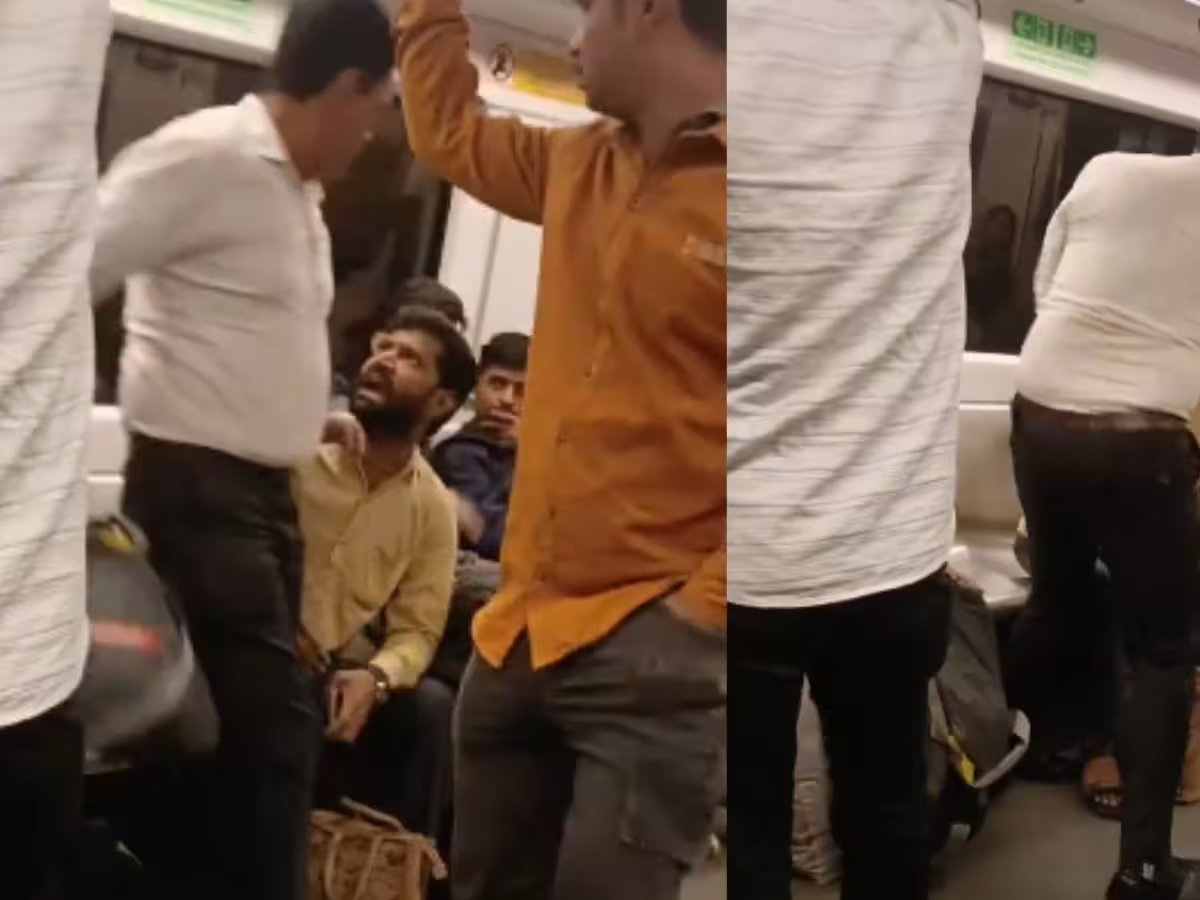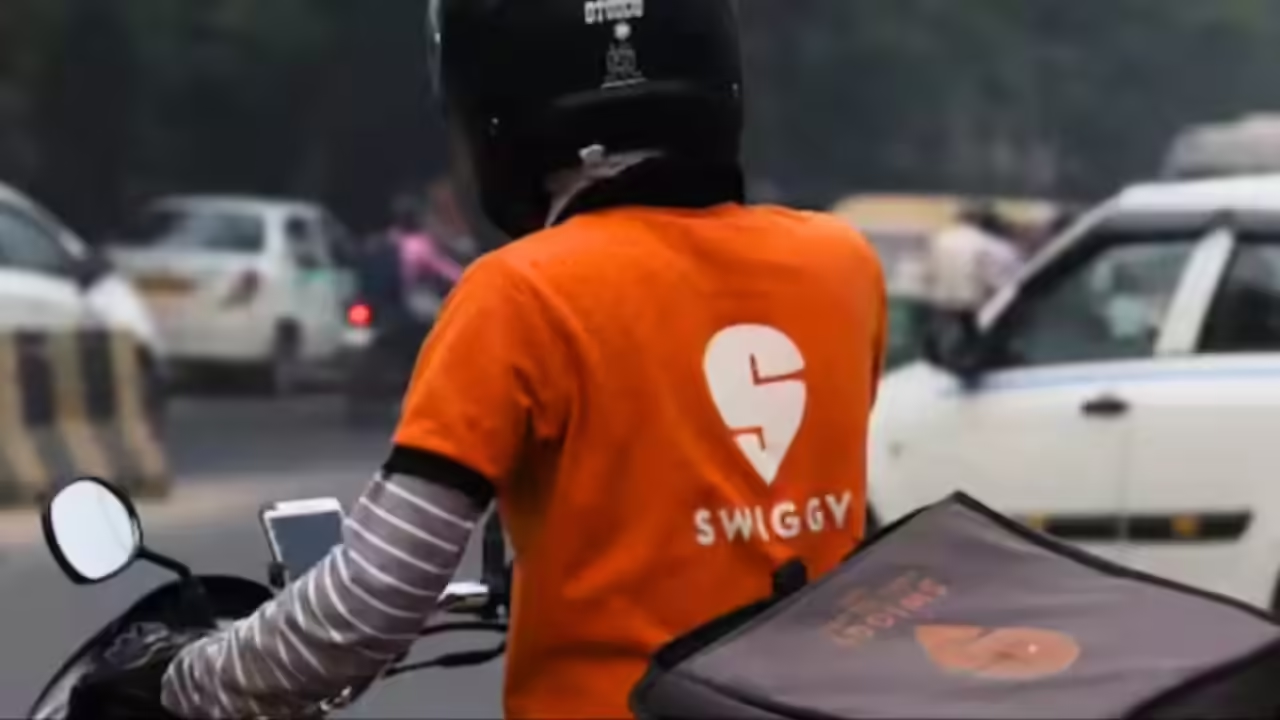





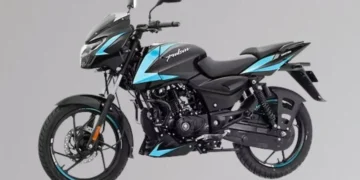












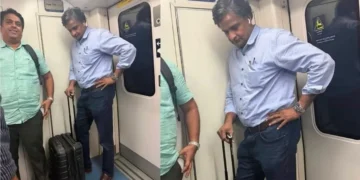
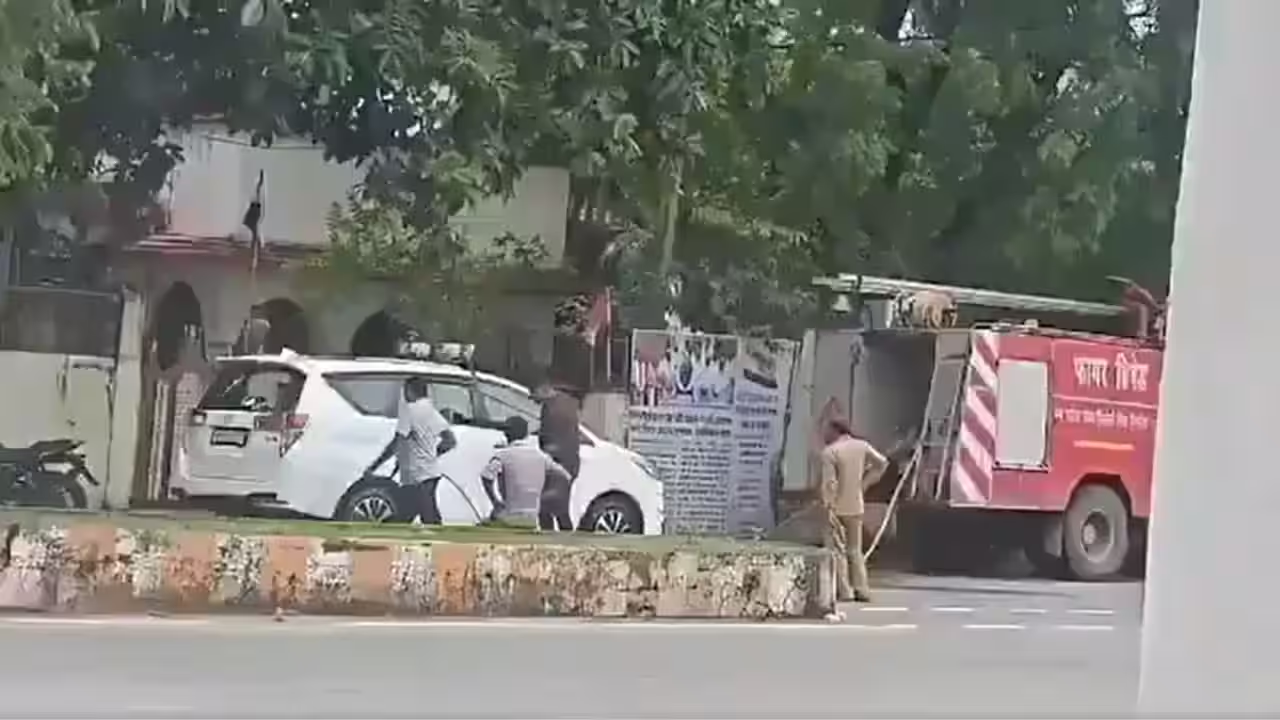


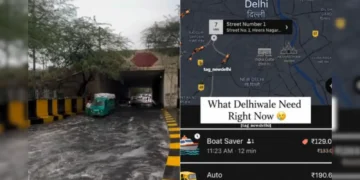



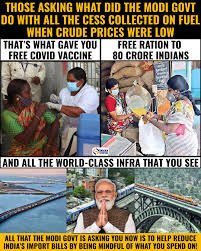
A recent government appeal asking citizens to use less petrol has sparked a wave of memes across social media. What began as a serious message about conserving fuel and reducing import pressure quickly turned into one of India’s funniest online trends.
Why the “Use Less Petrol” Advice Went Viral
The “use less petrol” message gained traction after Prime Minister Narendra Modi urged Indians to reduce unnecessary fuel consumption. The appeal came at a time when global crude oil prices were volatile and concerns about India’s import bill were growing.
India imports more than 80 percent of its crude oil requirements. When international prices rise, the country spends more dollars on fuel, which puts pressure on the rupee and widens the trade deficit.
The Prime Minister’s suggestion was simple: avoid unnecessary driving, combine trips where possible, and use fuel more efficiently.
The advice was practical, but the internet saw comic potential immediately.
Within hours, Instagram and X were flooded with memes featuring office-goers, bike riders, and families joking about abandoning weekend drives and convincing friends to split petrol costs.
Social Media Turns Fuel Saving Into Comedy
Indian meme creators have a talent for finding humor in everyday situations, and the petrol-saving appeal offered plenty of relatable material.
Many posts showed people walking to nearby shops with captions such as, “PM said save petrol, so even my scooter is on leave.”
Others featured jokes about friends who suddenly started asking for carpool arrangements after ignoring public transport for years.
Some of the most popular reactions included:
- “Petrol bachao, relationships bhi bachao. No more long drives.”
- “Bike owners now treating every ride like an investment.”
- “Weekend plans canceled because the fuel tank needs emotional support.”
- “People discovering that grocery stores are actually within walking distance.”
These memes resonated because they reflected a common frustration: rising fuel costs affect nearly everyone.
Why Petrol Prices Matter to Indian Households
Petrol and diesel prices have a direct impact on monthly budgets. For office workers, delivery drivers, and small business owners, even a small increase in fuel prices can significantly raise expenses.
In Tier-2 and Tier-3 cities such as Nagpur, Nashik, Indore, and Jaipur, two-wheelers are often the primary mode of transport. This makes fuel-saving advice especially relevant.
Families also feel the impact indirectly. Higher transport costs can influence the prices of vegetables, groceries, and essential goods.
That is why the government’s message was more than a casual suggestion. It was part of a broader effort to encourage responsible fuel use during a period of global uncertainty.
The Most Relatable Meme Themes
The funniest reactions centered on situations that many Indians experience daily.
Office Commute Memes
Posts joked about employees suddenly embracing work from home to save fuel.
Long Drive Memes
Couples teased each other about replacing romantic drives with neighborhood walks.
Bike Rider Jokes
Motorcycle owners posted humorous content about checking fuel gauges more often than bank balances.
Family Humor
Parents shared memes about asking children to complete all errands in one trip to save petrol.
This mix of humor and practical reality helped the trend spread rapidly.
Serious Economic Context Behind the Viral Trend
Although the memes are entertaining, the issue is economically significant.
India’s dependence on imported crude oil makes the country vulnerable to global price shocks. When geopolitical tensions disrupt oil supply, domestic fuel prices and inflation risks increase.
Encouraging citizens to use fuel more efficiently can help reduce demand at the margin. While individual savings may seem small, widespread behavioral changes can collectively make a difference.
The viral meme trend also helped spread awareness. People who might not follow economic news still understood the core message through humor.
Will Indians Actually Reduce Petrol Consumption?
Some consumers are already adapting by planning errands better, using carpool options, and considering public transport.
Others are exploring electric scooters and CNG vehicles as alternatives to petrol-powered vehicles.
However, for many people, especially in areas with limited public transport, petrol remains essential.
Even so, the online conversation reflects a growing awareness of how personal choices connect to larger economic issues.
Key Takeaways
- The government’s “use less petrol” advice triggered a major meme trend across India.
- Social media users turned a serious economic message into relatable humor.
- Rising fuel prices affect both household budgets and overall inflation.
- The trend increased public awareness about fuel conservation and import dependence.
FAQs
Why did the government ask people to use less petrol?
The appeal aimed to reduce fuel consumption and ease pressure on India’s oil import bill.
Did the government announce any fuel restrictions?
No. It was an advisory encouraging voluntary fuel conservation.
Why did the advice become a meme trend?
The message connected with everyday experiences like commuting, long drives, and rising petrol costs.
Can using less petrol really help the economy?
Yes. Lower fuel demand can modestly reduce import pressure and support economic stability.