

























India’s indigenous battery push is gaining momentum as renewable power expands and the country needs more reliable ways to store electricity. A new Rs 800 crore battery technology centre in Pune and rapid growth in battery storage projects highlight the changing energy landscape.
India’s Battery Storage Push Gains Fresh Momentum
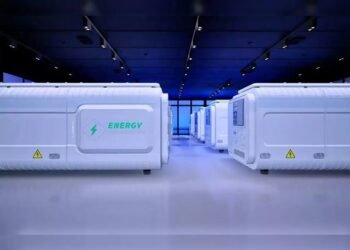
India’s energy storage sector is moving from an emerging technology area to an important part of the country’s power infrastructure. On September 29, 2026, a new development in Pune brought this transition into focus, with the College of Engineering Pune and JSW Group announcing an Indigenous Battery Technology Centre with an investment of Rs 800 crore. The centre is expected to work on lithium-ion and alternative battery chemistries for electric vehicles, renewable energy storage and industrial applications.
The development comes as India’s electricity system adds more renewable generation, particularly solar and wind power. Unlike conventional thermal generation, renewable output varies with weather and time of day.
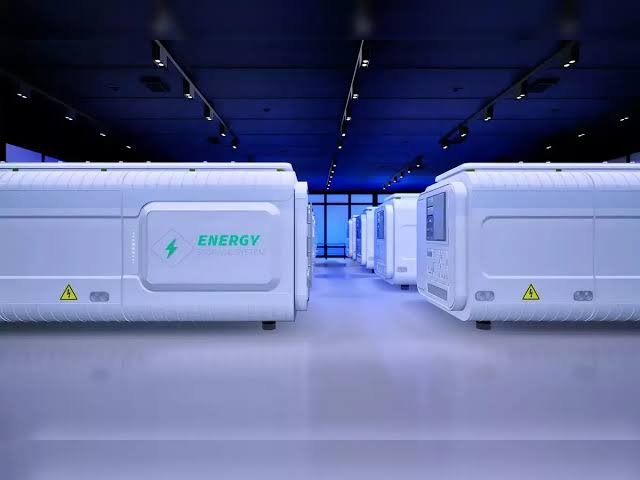
That makes the ability to store electricity increasingly important. Batteries can absorb electricity when supply is high and release it when demand rises, helping reduce the gap between generation and consumption.
Why Energy Storage Is Critical for Renewable Power
India’s renewable energy expansion is changing the way electricity is generated. Solar plants produce their highest output during daylight hours, while household and commercial electricity demand can remain high into the evening. Wind generation can also fluctuate depending on weather conditions.
Energy storage provides a way to manage this mismatch.
The Ministry of New and Renewable Energy says the National Electricity Plan projects India’s total energy storage requirement at 82.37 GWh in 2026-27. This includes 34.72 GWh from battery energy storage systems and 47.65 GWh from pumped storage projects. By 2031-32, the total requirement is projected to rise to 411.4 GWh, including 236.22 GWh from battery storage.
This is not only about storing renewable electricity. Storage can also help manage peak demand, provide grid balancing services and improve the reliability of electricity supply.
Battery Energy Storage Capacity Is Growing Rapidly
India’s battery storage market has already begun expanding at a faster pace.
According to data reported by Financial Express citing Mercom India Research, India’s battery energy storage additions reached 8.2 GWh in the first half of 2026. The country’s cumulative BESS capacity stood at 9.3 GWh by the end of June. More than 88% of the operational battery storage capacity had been installed during the first six months of the year.
The same data showed that 28 GW of battery storage capacity had been tendered during the period, pointing to a much larger pipeline of projects.
Standalone battery systems accounted for most of the installed capacity, while the remaining systems were paired with renewable generation such as solar and wind.
Rajasthan was the largest contributor to installed battery storage capacity during this period, reflecting the importance of states with large renewable energy resources.
India’s Indigenous Battery Manufacturing Plans
Building storage capacity is only one part of the challenge. India also wants to increase domestic manufacturing of advanced battery cells and reduce dependence on imported cells and components.
The government’s Production Linked Incentive scheme for Advanced Chemistry Cell battery storage was approved with an outlay of Rs 18,100 crore to establish 50 GWh of domestic ACC manufacturing capacity. The programme is designed to encourage large-scale battery manufacturing with greater domestic value addition.
As of March 2026, 40 GWh of the targeted 50 GWh capacity had been awarded to four beneficiary companies. Government data showed that only 1 GWh had been installed under these awarded projects at that point, indicating that building a domestic cell manufacturing ecosystem remains a work in progress.
The government has also said that the domestic demand for advanced chemistry cells is still largely being met through imports. This highlights why manufacturing capacity alone is not enough. India needs technology development, raw-material supply chains, component manufacturing and recycling capabilities as well.
What the New Pune Battery Centre Could Do
The Rs 800 crore Indigenous Battery Technology Centre being developed by COEP and JSW adds another layer to India’s battery strategy.
The centre is expected to focus on research and development across battery systems, including lithium-ion and alternative chemistries. Its intended applications cover EVs, renewable energy storage and industrial use. The partnership also aims to develop skilled manpower and strengthen cooperation between academia and industry.
Research centres of this type can become important because battery technology is not limited to cell manufacturing. Battery management systems, thermal management, materials, charging systems, recycling and testing all influence the performance and cost of an energy storage system.
For India, developing expertise in these areas could support both domestic demand and future export opportunities.
The project is also significant for Maharashtra because Pune already has a large engineering, automotive and industrial ecosystem. Connections between research institutions and manufacturing companies could support the development of local technical talent and battery-related businesses.
Energy Storage and India’s Electric Vehicle Market
The battery push is closely connected to India’s electric vehicle transition.
Electric cars, scooters, motorcycles, buses and commercial vehicles all depend on battery technology. Higher domestic manufacturing capacity can potentially improve supply security for vehicle manufacturers and encourage the development of local components.
However, the needs of EV batteries and grid-scale storage are not identical. EV batteries prioritise factors such as energy density, weight, charging performance and cycle life. Stationary storage can place greater emphasis on cost, safety, durability and the ability to operate repeatedly over long periods.
This distinction explains why India’s battery strategy needs to support multiple technologies rather than relying on a single battery chemistry.
Domestic research into alternative chemistries could therefore become increasingly important as demand expands across transportation and electricity storage.
Government Support for Large-Scale Energy Storage
India has been introducing several measures to make energy storage economically viable.
The government has issued guidelines for procurement and utilisation of Battery Energy Storage Systems as part of generation, transmission and distribution assets. It has also introduced a national framework for energy storage and supported pumped storage projects.
The Ministry of New and Renewable Energy lists viability gap funding measures for battery energy storage systems and other policy measures aimed at encouraging storage deployment.
The Ministry of Power has projected a requirement of 47.24 GW and 236 GWh of BESS capacity by 2031-32. It estimates that achieving the projected BESS capacity would require around Rs 3.49 lakh crore of investment.
These figures show the scale of the infrastructure opportunity. They also indicate that battery storage will increasingly be treated as part of the electricity system rather than simply as an EV component.
What Battery Storage Means for Tier-2 and Tier-3 Cities
The impact of energy storage will not be limited to major metropolitan areas.
As solar installations increase across homes, businesses, factories and public facilities in smaller cities, storage can help manage electricity generated during the day and used later. Commercial establishments such as hospitals, hotels, warehouses and small manufacturing units could also use storage systems to manage their electricity requirements.
Battery storage can become particularly relevant in regions where electricity demand is rising rapidly or where renewable generation is expanding faster than the supporting grid infrastructure.
For consumers, the benefits will not necessarily appear as a battery sitting in every home. Much of the impact will happen at the grid and distribution level through better management of electricity supply.
The growth of storage could also create new employment opportunities in installation, maintenance, battery management, recycling, engineering and technical services.
The Challenges India Still Needs to Address
India’s battery ambitions face several challenges.
Domestic battery manufacturing remains at an early stage compared with established global supply chains. The country also remains dependent on imported raw materials and components for important parts of the battery value chain.
Cost is another issue. Battery storage projects require significant upfront investment, while developers need predictable revenue mechanisms to justify large-scale deployment.
Safety, recycling and end-of-life management will become increasingly important as the number of batteries in circulation grows.
Technology is also changing quickly. Lithium-ion batteries currently dominate many applications, but alternatives such as sodium-ion and other advanced chemistries are being developed globally. India’s research ecosystem will need to keep pace with these changes rather than focusing only on current technologies.
India’s Battery Strategy Is About More Than EVs
India’s indigenous battery push is increasingly tied to the country’s broader energy transition.
The latest developments show three trends happening together: rapid growth in battery energy storage projects, government efforts to build domestic advanced cell manufacturing and greater investment in battery research.
The scale of future demand is significant. The government’s projections point to hundreds of gigawatt-hours of storage requirements by the early 2030s, while current installations are still a fraction of that requirement.
The challenge now is to turn announced investments and manufacturing plans into operating facilities, competitive technology and a wider domestic supply chain.
If that happens, India’s battery industry could support more than electric vehicles. It could become an important part of how the country generates, stores and distributes electricity in the coming decade.
Key Takeaways
- India is rapidly expanding battery energy storage as renewable power generation increases.
- The government projects 236.22 GWh of battery storage requirements by 2031-32.
- The Rs 18,100 crore PLI-ACC programme is aimed at building 50 GWh of domestic advanced cell manufacturing capacity.
- New research initiatives, including the Rs 800 crore COEP-JSW battery technology centre, are expanding India’s focus from manufacturing to indigenous battery technology.
FAQ
Why does India need battery energy storage?
Battery energy storage can help balance fluctuations in solar and wind generation, store electricity when supply is high and release it when demand increases. It can also provide grid-support services and improve electricity system flexibility.
How much battery storage will India need?
The National Electricity Plan projects a total energy storage requirement of 411.4 GWh by 2031-32. Battery energy storage systems are projected to account for 236.22 GWh of that requirement, with pumped storage making up the remainder.
What is India’s PLI-ACC battery scheme?
The Production Linked Incentive scheme for Advanced Chemistry Cell battery storage has an outlay of Rs 18,100 crore and targets 50 GWh of domestic ACC manufacturing capacity. The programme aims to increase domestic value addition and reduce dependence on imported battery cells.
What is the new battery technology centre in Pune?
COEP and JSW Group have announced an Rs 800 crore Indigenous Battery Technology Centre in Pune. The centre is expected to conduct research into lithium-ion and alternative battery technologies for EVs, renewable energy storage and industrial applications.