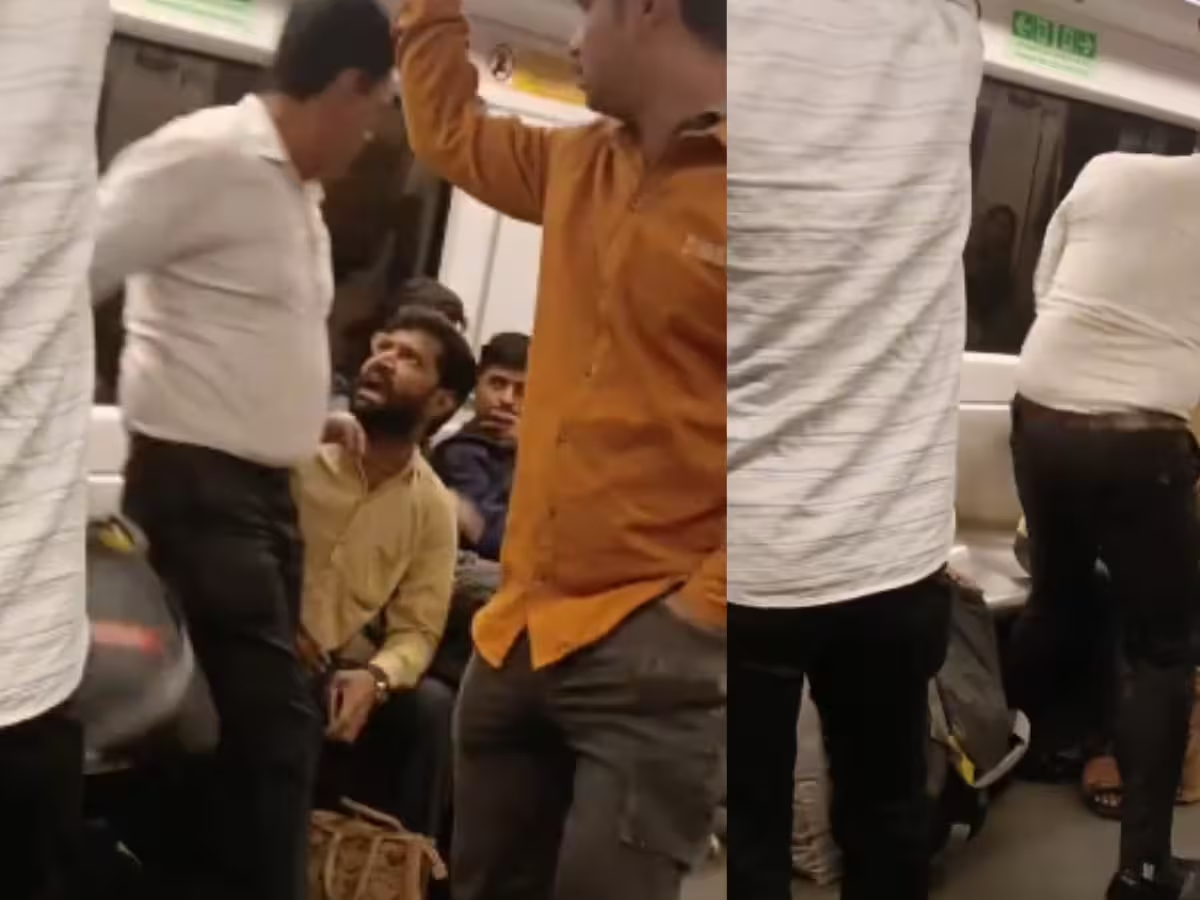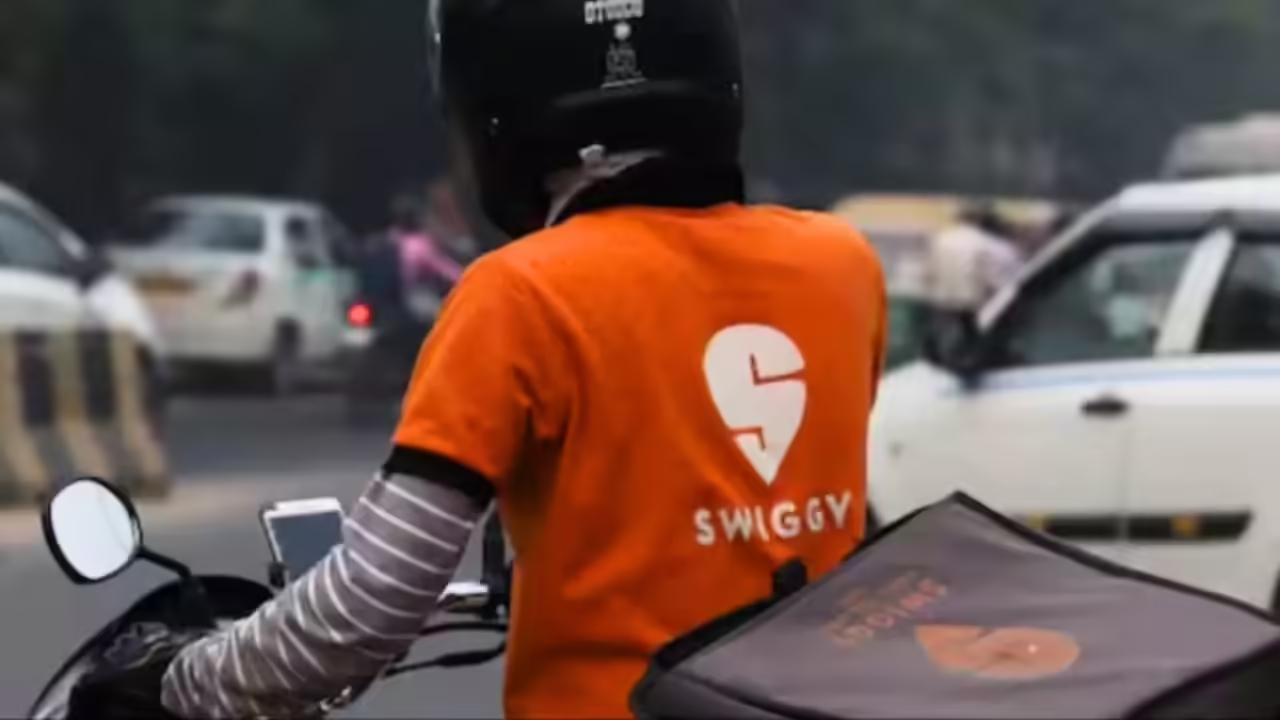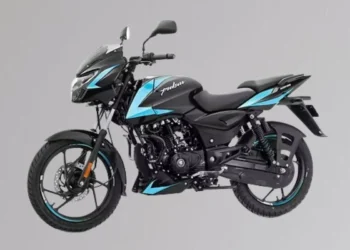


















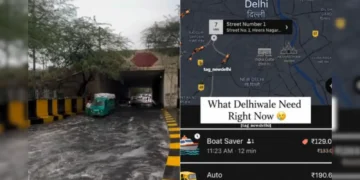



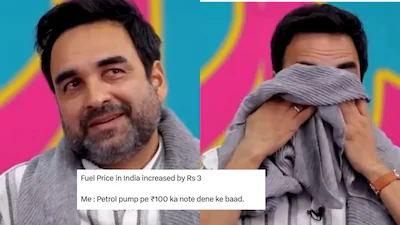
The petrol and diesel price hike announced in May 2026 quickly became one of India’s biggest online talking points. As fuel costs rose for the first time in four years, social media users responded with memes, jokes, and relatable reactions that captured public frustration with a dose of humor.
Petrol and Diesel Price Hike Sparks Online Buzz
The latest petrol and diesel price hike marked a significant shift for Indian consumers. Fuel prices had remained largely stable for several years, even as global crude oil markets fluctuated. The fresh increase immediately affected commuters, transport operators, and households already dealing with higher living costs.
In most cities, petrol and diesel rates rose by around ₹2 per litre, though exact prices varied depending on local taxes and dealer commissions. For daily commuters, that meant a noticeable jump in monthly transportation expenses.
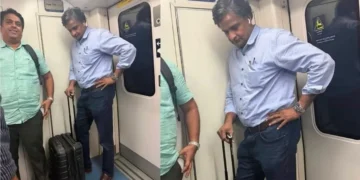
Within hours of the announcement, terms related to fuel prices began trending on X, Instagram, and Facebook. Instead of only expressing anger, many users turned to humor to cope with the news.
Viral Memes Turned Frustration Into Comedy
One of the most shared memes showed a scooter owner polishing his vehicle with the caption, “Ab sirf dekhunga, chalaunga nahi.” Another popular joke compared filling a fuel tank to making a luxury investment.
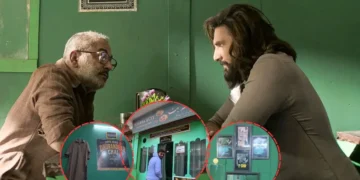
Many posts featured scenes from Bollywood films, with characters reacting dramatically to rising prices. Memes using clips of Akshay Kumar, Paresh Rawal, and Nana Patekar were especially popular because their expressions fit the mood perfectly.
Users also joked about switching to bicycles, walking to work, or asking friends for rides. These lighthearted posts resonated because they reflected a real concern shared by millions of Indians.
Why Fuel Price Memes Connect So Strongly
Fuel prices affect nearly every household. Even people who do not own vehicles feel the impact through higher transportation and delivery costs.
That universal relevance makes petrol and diesel an ideal subject for viral content. A simple joke about spending ₹500 and seeing the fuel gauge barely move is instantly relatable.
Social media thrives on shared experiences, and rising fuel costs create a common pain point. Humor gives people a way to voice their frustration without sounding overly negative.
This is why fuel price memes often spread faster than formal news reports. They turn a complex economic issue into something visual, emotional, and easy to understand.
The Real Economic Impact Behind the Jokes
While memes dominated social media, the financial impact is genuine. Higher fuel prices can increase costs across sectors such as logistics, agriculture, and public transport.
For middle-class families, the extra spending may require small but meaningful budget adjustments. Delivery businesses, cab drivers, and small traders are often among the first to feel the pressure.
Economists note that fuel prices influence inflation because transportation costs affect the prices of vegetables, groceries, and consumer goods.
The jokes may be funny, but they are rooted in real concerns about affordability and rising living expenses.
Bollywood, Cricket, and Pop Culture Powered the Trend
Indian meme culture often draws from familiar pop culture references. After the fuel price hike, creators used cricket commentary clips, classic comedy scenes, and dramatic movie dialogues to express shock.
One widely shared joke showed a person checking fuel prices with the caption, “Ye toh expected nahi tha.” Others featured mock conversations where drivers asked petrol pumps to add fuel “bas ₹100 ka, emotions free.”
This mix of humor and cultural references helped the trend spread beyond news audiences to casual social media users.
Why Viral Reactions Matter
Memes are more than entertainment. They provide a snapshot of public sentiment.
When millions of users share jokes about petrol and diesel prices, it signals widespread concern about household costs. Policymakers and analysts increasingly pay attention to these online reactions because they reveal how people feel in real time.
In India, where social media shapes conversations around economics, politics, and lifestyle, viral humor often becomes an informal barometer of public mood.
Key Takeaways
- Petrol and diesel prices increased in May 2026, the first major hike in four years.
- Social media users responded with memes, jokes, and relatable reactions.
- Fuel price memes went viral because they reflected a shared financial concern.
- Behind the humor, rising fuel costs may contribute to higher inflation and household expenses.
FAQs
Why did petrol and diesel prices increase?
Fuel prices are influenced by global crude oil costs, exchange rates, taxes, and domestic pricing decisions.
Why do fuel price memes become so popular?
They connect with a broad audience because fuel costs affect nearly everyone directly or indirectly.
How does a fuel price hike impact households?
It raises transportation costs and can contribute to higher prices for goods and services.
Are memes an indicator of public sentiment?
Yes. Viral reactions often reflect how people feel about major economic changes.