






























A heatwave alert has been issued across Maharashtra and Gujarat as temperatures rise sharply, prompting warnings from the India Meteorological Department. Authorities are advising precautionary measures as several districts prepare for prolonged high temperatures and potential health risks.
IMD Issues Heatwave Alert for Western India
The heatwave alert across Maharashtra and Gujarat comes after the India Meteorological Department reported a significant rise in maximum temperatures across western India. Several districts are expected to experience temperatures above normal levels, with dry conditions intensifying the impact.
According to IMD guidelines, a heatwave is declared when temperatures cross specific thresholds, typically above 40 degrees Celsius in plains or significantly above normal averages. In recent days, multiple locations in Maharashtra and Gujarat have recorded temperatures nearing or exceeding these limits.
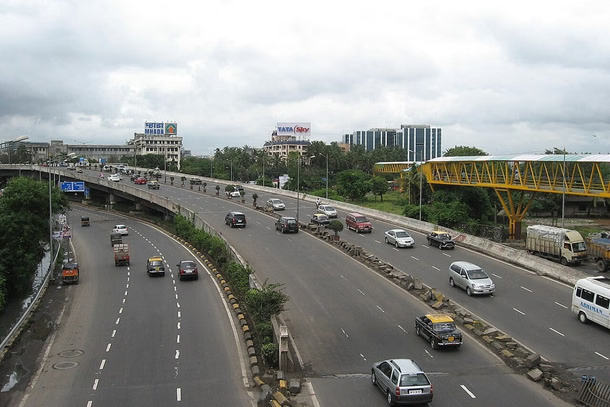
The warning is particularly relevant for urban areas where heat retention due to concrete infrastructure can worsen conditions during the day and night.
Cities Likely to Be Most Affected by Rising Temperatures
Major cities such as Mumbai, Pune, Nagpur, and Ahmedabad are expected to face elevated temperatures over the coming days. Inland regions and Vidarbha areas are particularly vulnerable due to already high baseline temperatures.
In coastal cities like Mumbai, humidity levels combined with heat can increase discomfort, leading to higher heat index values. Meanwhile, cities like Nagpur often experience dry heat, which can cause dehydration and heat related illnesses more quickly.
Local administrations are monitoring the situation and may issue additional advisories depending on how conditions evolve.
Health Risks Associated With Heatwave Conditions
Heatwaves pose serious health risks, especially for vulnerable groups such as the elderly, children, and individuals with pre existing medical conditions. Common issues include heat exhaustion, dehydration, and in severe cases, heatstroke.
The India Meteorological Department and health authorities recommend staying hydrated, avoiding direct sun exposure during peak hours, and wearing light clothing. Outdoor workers and daily wage earners face higher exposure and are at greater risk.
Hospitals in affected regions often see an increase in heat related cases during such periods. Preventive measures and early awareness play a crucial role in reducing health impacts.
Impact on Daily Life and Infrastructure
The heatwave alert across Maharashtra and Gujarat is likely to affect daily routines, including work schedules, school timings, and power consumption patterns. Increased use of cooling appliances can put pressure on electricity supply, especially during peak hours.
Transport systems and outdoor activities may also be impacted. Prolonged exposure to high temperatures can affect road conditions and vehicle performance. In rural areas, water scarcity concerns may intensify due to higher evaporation rates.
Authorities may implement measures such as rescheduling outdoor work or issuing guidelines for schools to reduce exposure during peak heat periods.
Why Heatwaves Are Becoming More Frequent
Rising frequency and intensity of heatwaves in India are linked to broader climatic changes. Urbanization, deforestation, and changing weather patterns contribute to higher temperature extremes.
Regions like Maharashtra and Gujarat have experienced recurring heatwave conditions in recent years, indicating a pattern rather than isolated events.
Experts emphasize the need for long term strategies such as urban planning improvements, increased green cover, and better water management systems to mitigate the impact of extreme heat.
Takeaways
- IMD has issued a heatwave alert for Maharashtra and Gujarat due to rising temperatures
- Major cities like Mumbai, Pune, Nagpur, and Ahmedabad are expected to be affected
- Health risks include dehydration, heat exhaustion, and heatstroke
- Preventive measures and awareness are essential to reduce impact
FAQs
Q1. What is a heatwave according to IMD?
A heatwave is declared when temperatures exceed specific thresholds, usually above 40 degrees Celsius or significantly above normal levels.
Q2. Which areas are most affected by the current heatwave alert?
Regions in Maharashtra and Gujarat, especially inland cities and urban centers, are expected to face the highest impact.
Q3. How can people stay safe during a heatwave?
Staying hydrated, avoiding outdoor exposure during peak hours, and wearing light clothing are key precautions.
Q4. Are heatwaves becoming more common in India?
Yes, changing climate patterns and urbanization have led to more frequent and intense heatwave conditions.