





















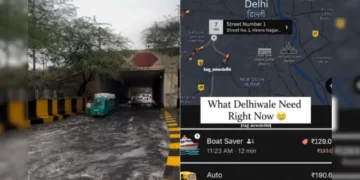




Everyday Indian life has become a major source of viral social media content, from family jokes and wedding moments to local food, regional humour and relatable workplace struggles. The rise of short-form videos is changing how people share experiences, discover creators and connect with audiences across India.
Why Everyday Indian Life Connects With Online Audiences
A crowded local market, a mother calling her child for dinner, a funny conversation between friends or a familiar argument over household responsibilities can become popular online. These moments may appear ordinary in real life, but they often make highly relatable social media content.
The reason is simple: people enjoy watching experiences they recognise. When a video reflects their own family, neighbourhood, language or daily routine, viewers are more likely to understand the joke and share it with others.
Unlike highly produced entertainment, everyday videos often feel spontaneous and accessible. Creators do not always need expensive cameras, professional locations or elaborate scripts. A smartphone and an interesting moment can be enough to tell a story.
This does not mean every ordinary video will go viral. However, familiar experiences give creators a strong starting point because audiences can connect with the subject without needing much explanation.
Short-Form Videos Have Changed Content Consumption in India
Instagram Reels, YouTube Shorts and other short-video formats have made it easier to consume entertainment in small portions throughout the day. People can watch a quick comedy sketch during a commute, browse cooking videos during a break or share a funny clip with friends and family.
The scale of this behaviour is significant. DataReportal’s Digital 2026: India report estimated that India had approximately 1.03 billion internet users at the end of 2025 and 500 million social media user identities in October 2025. These figures indicate the size of the potential audience, although social media identities should not be interpreted as an exact count of unique individuals.
Short-form video has also reached audiences beyond major metropolitan cities. In a June 2026 announcement, Meta reported that daily video engagement on its platforms was 98% among surveyed urban users and 94% among surveyed rural users. The findings came from Meta-commissioned research and should be understood within that study’s scope. https://about.fb.com/news/2026/06/reels-is-shaping-indias-video-first-future-across-gen-z-women-bharat/
For creators in Tier-2 and Tier-3 cities, this creates opportunities to tell stories rooted in their own surroundings. A small-town food stall, a regional festival or a local college experience can appeal to viewers who recognise the setting and to others who are curious about it.
Relatable Humour Makes Ordinary Situations Shareable
Comedy remains one of the most accessible ways to turn everyday experiences into engaging content. Indian creators frequently draw inspiration from family relationships, office politics, college life, friendships, shopping habits and the differences between generations.
A sketch about a parent reacting to an online purchase, for example, can resonate with viewers who have experienced similar conversations at home. A video about salary day, rising expenses or bargaining at a market can connect with people facing familiar financial realities.
Regional language adds another layer of relatability. Expressions, accents, local references and cultural habits can make a video feel more authentic than a generic script.
The humour does not always need a complicated punchline. Sometimes, the timing of a reaction or an unexpectedly familiar sentence is enough to make viewers laugh.
However, relatability alone does not guarantee reach. The video’s presentation, pacing, originality, audience response and distribution also influence how far it travels.
How Social Media Algorithms Influence Viral Trends
Social media platforms use recommendation systems to decide which content appears in users’ feeds. These systems can consider signals such as viewing behaviour, interactions, content information and the likelihood that a person will find a video interesting. The precise signals and their importance vary by platform and can change over time.
When viewers watch a video, share it with friends, comment on it or watch it repeatedly, these interactions can provide useful signals about audience interest. Strong responses may help content reach people beyond the creator’s existing followers.
However, there is no universal formula for going viral. A video receiving many views does not prove that a single factor caused its popularity. Nor does posting at a particular time guarantee success.
For creators, the practical lesson is to focus on a clear idea, an engaging opening and a story that holds attention. Understanding the audience is more useful than trying to guess every detail of a platform’s algorithm.
Regional Culture Is Giving Local Creators Wider Reach
India’s cultural diversity offers creators a wide range of subjects, including regional food, folk traditions, festivals, everyday language and local customs. Social media allows these experiences to reach audiences far beyond the places where they originate.
A creator from Nagpur might share a familiar street-food experience, while someone from Jaipur might create a comedy sketch around local expressions or wedding traditions. Viewers from the same region may recognise the details immediately, while audiences elsewhere get a glimpse of a different way of life.
This local identity can become a creator’s strength. People are not necessarily looking for content that resembles professional television. They may prefer a personal perspective that feels distinctive and familiar at the same time.
The growing interest in short-form storytelling also extends beyond comedy. A report published by ShareChat and Moj in collaboration with Kantar in 2026 found that everyday-life stories were the most preferred category among respondents in its microdrama study, selected by 36%. The finding relates specifically to that study’s participants and format, rather than every social media user in India.
From Family Moments to Internet Trends
Family gatherings, weddings, festivals and friendships provide countless opportunities for spontaneous content. A funny exchange at a wedding or an unexpected reaction during a celebration may become popular because it captures an emotion that viewers understand.
Creators also recreate familiar situations through scripted sketches. The distinction matters: some videos document real moments, while others are performances designed for entertainment.
Audiences may not always know which category they are watching. This is especially relevant when clips are edited, reposted or separated from their original context.
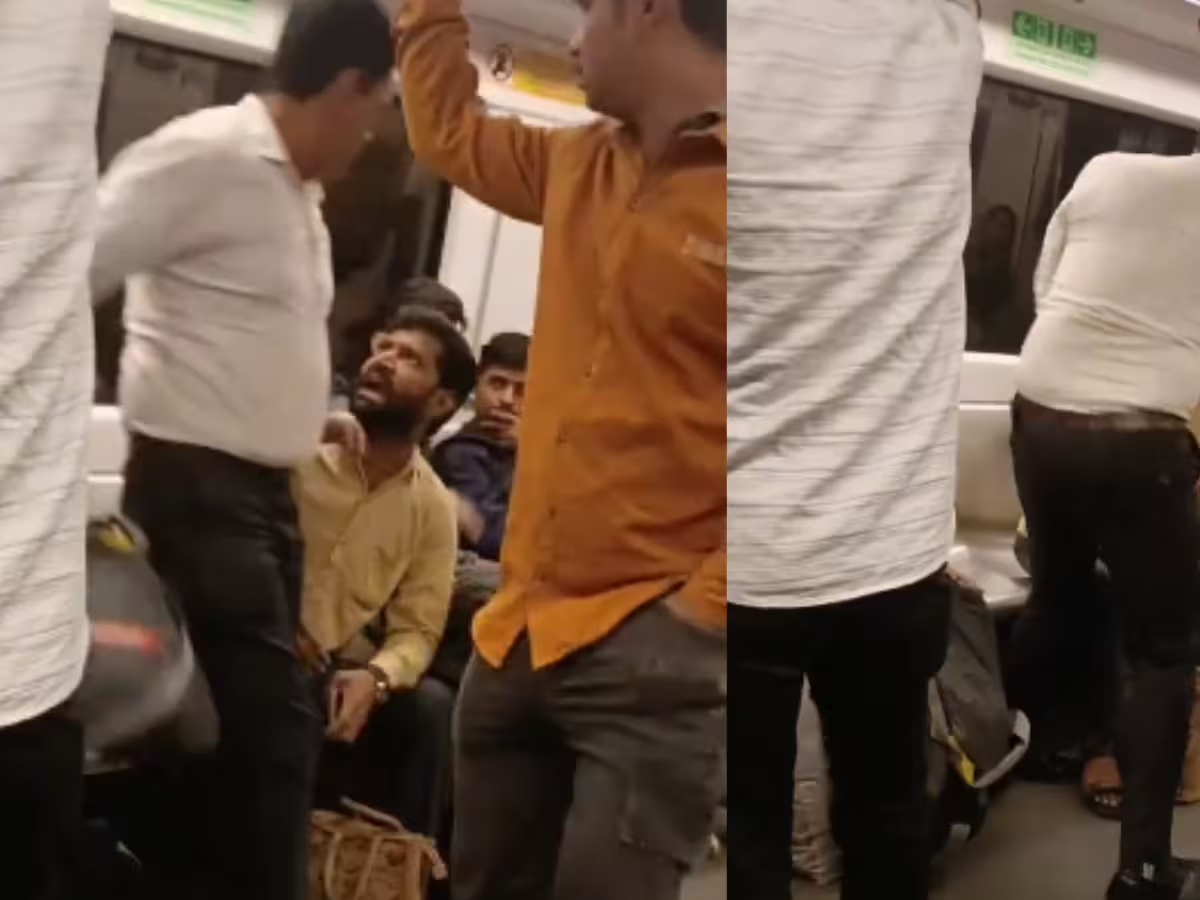
A video that appears unusual or shocking can attract attention, but it should not automatically be treated as evidence of a real event. Creators and publishers should verify the original source before presenting a clip as factual, particularly when it involves a public figure, a sensitive incident or a potentially misleading claim.
Can Ordinary Content Become a Sustainable Creator Career?
Viral attention can introduce creators to new audiences, but a single successful video does not guarantee a stable income. Sustainable creator careers generally require consistency, audience trust and a clear understanding of what followers value.
Creators may eventually earn through brand collaborations, advertising programmes, affiliate links, subscriptions or other platform-specific opportunities. Eligibility and earnings depend on individual circumstances, platform policies, audience engagement and commercial arrangements.
For newcomers, copying an existing viral format may offer a quick creative starting point, but repeatedly reproducing someone else’s work can limit originality and create copyright concerns. Developing a recognisable style, using original footage and adding a distinct perspective can help creators build a stronger identity.
Small-town creators do not necessarily need to imitate metropolitan influencers. Their everyday experiences, regional knowledge and local communities can become the foundation of their content.
What This Trend Means for India’s Digital Culture
The popularity of everyday-life content reflects a broader change in how entertainment is created and consumed. Ordinary people can now participate in online culture without relying on traditional media organisations or professional production facilities.
At the same time, the pursuit of views can encourage exaggerated reactions, staged controversies and the sharing of private moments without consent. Creators need to consider whether the people appearing in their videos have agreed to be filmed and whether the content could expose someone to embarrassment or harassment.
Audiences also have a role to play. Sharing a video without checking its context can spread misinformation, while treating every popular clip as genuine can blur the line between entertainment and reporting.
The most meaningful opportunity lies in authentic storytelling rather than manufacturing controversy. Everyday Indian life offers plenty of humour, emotion and cultural detail without requiring creators to misrepresent people or situations.
Key Takeaways
- Everyday experiences become shareable when audiences recognise their own lives, relationships and cultural habits in them.
- Short-form video platforms have expanded opportunities for creators across metropolitan, Tier-2 and Tier-3 markets.
- Algorithms can influence content distribution, but no single technique guarantees viral reach.
- Originality, consent, accurate context and audience trust matter more for long-term success than chasing one viral moment.
Frequently Asked Questions
1. Why does everyday Indian life become viral social media content?
Everyday situations often reflect shared experiences, including family interactions, workplace problems, friendships, festivals and regional culture. Their familiarity makes them easy to understand and share.
2. Which types of Indian content often attract social media engagement?
Comedy, lifestyle, food, fashion, sports, family sketches and regional storytelling are common content categories. Performance varies depending on the subject, audience, execution and platform.
3. Can creators from Tier-2 and Tier-3 cities go viral?
Yes. Creators can reach audiences beyond their local communities through recommendation systems and sharing. However, location alone does not determine success, and viral reach is never guaranteed.
4. Does going viral guarantee money for a creator?
No. Views do not automatically translate into income. Earnings depend on factors such as monetisation eligibility, advertising arrangements, brand partnerships and the creator’s ability to maintain audience interest.