




















Choosing the best commuter bike in India involves more than comparing mileage figures. For office workers, students and daily riders in Tier-2 and Tier-3 cities, fuel efficiency, comfortable seating, maintenance expenses and reliability matter just as much as the purchase price. Models from Hero, Honda, TVS and Bajaj offer options for different budgets and riding needs.
Best Commuter Bikes in India: What Should Buyers Consider?
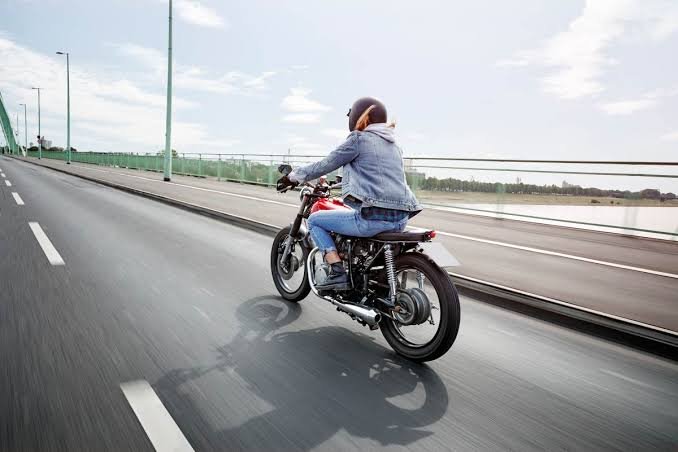
A commuter motorcycle is designed primarily for regular travel, including office journeys, college commutes, shopping trips and everyday errands. Most buyers in this category prioritise manageable running costs over high performance or premium features.
The right choice depends on how far you travel, the roads you use and how often you carry a passenger. Someone travelling 10 km each day through city traffic may have different requirements from a person covering 50 km on highways and rural roads.
Before buying, compare the ex-showroom price, on-road price, claimed fuel efficiency, owner-reported mileage, service intervals and local spare-parts availability. These factors together offer a clearer picture of ownership costs than the advertised mileage alone.
Prices and specifications can change by model year, variant and location. Buyers should confirm the latest details with authorised dealerships before making a purchase.
1. Hero Splendor Plus: A Practical Choice for Everyday Travel

The Hero Splendor Plus is one of India’s best-known commuter motorcycles. Its appeal comes from a straightforward design, a relatively simple mechanical package and an established service network.
The bike uses a 97.2cc air-cooled engine paired with a four-speed gearbox. Its compact dimensions make it suitable for navigating busy streets, crowded market areas and everyday urban traffic.
Mileage depends on traffic conditions, riding style, maintenance and passenger load. Riders who accelerate smoothly, maintain correct tyre pressure and service the motorcycle on schedule are more likely to achieve efficient fuel consumption.
The Splendor Plus is worth considering for buyers who want a familiar commuter with a broad service network. However, people who regularly travel with a passenger or carry luggage should test the seating comfort and performance before deciding.
Best suited for: Daily office travel, students and riders looking for a straightforward commuter motorcycle.
2. Honda Shine 100: An Option for Budget-Conscious Riders

The Honda Shine 100 is designed for buyers who want an affordable motorcycle for routine journeys. Its 98.98cc engine and lightweight commuter format make it suitable for city traffic and everyday use.
A smaller engine can help keep fuel consumption manageable, although actual mileage depends on road conditions and riding habits. Frequent braking, long idling periods and aggressive acceleration can reduce efficiency.
The Shine 100’s practical dimensions may appeal to newer riders and people who prefer a manageable motorcycle. Its suitability for daily travel also depends on seat comfort, suspension response and the amount of time spent on uneven roads.
Buyers should compare the on-road price with competing entry-level motorcycles and check the availability of authorised service centres nearby. Warranty coverage, scheduled maintenance and replacement-part costs should also form part of the decision.
Best suited for: First-time buyers, short-distance commuters and households looking for an economical everyday motorcycle.
3. Bajaj Platina 100: Comfort for Regular Long Commutes

The Bajaj Platina 100 is another option for riders who want an affordable motorcycle with an emphasis on everyday practicality. Its 99.59cc engine is designed for routine commuting rather than high-speed performance.
The Platina range is known for its comfort-oriented approach, and buyers should assess the seat, riding posture and suspension on the exact variant available at their dealership. These features matter on roads with potholes, uneven surfaces and frequent speed breakers, which are common challenges in many Indian cities and smaller towns.
The bike can suit people who cover longer daily distances and want to keep fuel expenses under control. However, claimed mileage figures are not guaranteed results. Actual fuel economy changes with traffic, road quality, maintenance and riding behaviour.
Before buying, check the latest variant specifications and whether the available model meets your expectations for braking, lighting and passenger comfort.
Best suited for: Budget-conscious commuters who value a practical riding position and economical everyday travel.
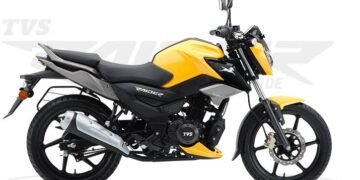
4. TVS Radeon: A Practical Motorcycle for Mixed Roads

The TVS Radeon is worth considering for people who travel across both city streets and rougher local roads. Its 109.7cc engine places it in the entry-level commuter category, while its styling and everyday equipment give buyers an alternative to more familiar 100cc motorcycles.
For commuters, comfort is not determined by engine size alone. The seat shape, suspension response, handlebar position and ease of controlling the motorcycle in slow-moving traffic all influence the daily riding experience.
The Radeon may appeal to riders who want a straightforward motorcycle for work, errands and occasional longer trips. Its suitability depends on the rider’s height, passenger requirements and the conditions of the route.
Check the exact variant’s specifications and current dealership price before making a decision. It is also sensible to ask about routine servicing costs and the availability of replacement parts in your area.
Best suited for: Riders who want a conventional commuter motorcycle for varied road conditions.
5. Honda SP125: More Performance for Daily Commuting

The Honda SP125 is a useful option for buyers who want more engine capacity and features than a basic entry-level commuter. Its 123.94cc engine offers a different balance of performance and fuel economy from the smaller motorcycles in this list.
A 125cc bike can be worth considering when the daily route includes wider roads, faster traffic or longer stretches between stops. The extra performance may make overtaking and maintaining speed more comfortable, although riders should always overtake cautiously and within legal speed limits.
The SP125 also offers features that may appeal to buyers who prefer a more modern commuter motorcycle. The exact equipment depends on the variant, so check the current specifications rather than assuming every version has identical features.
The purchase price may be higher than that of a basic 100cc motorcycle. Buyers should compare the additional cost with their actual commuting needs instead of choosing a larger engine solely for its appearance or features.
Best suited for: Daily riders who want a commuter-friendly motorcycle with additional performance for mixed city and highway use.
Mileage Comparison: Which Commuter Bike Saves More Fuel?
Fuel efficiency is one of the biggest factors when choosing a commuter motorcycle. However, advertised mileage, test-cycle figures and real-world mileage are different measures. The following figures are indicative reference figures reported by automotive listings, not guaranteed results for every rider.
| Motorcycle | Engine capacity | Indicative listed mileage |
|---|---|---|
| Hero Splendor Plus | 97.2cc | Around 62 to 70 km/l |
| Honda Shine 100 | 98.98cc | Around 65 km/l |
| Bajaj Platina 100 | 99.59cc | Around 72 to 75 km/l |
| TVS Radeon | 109.7cc | Around 63 to 70 km/l |
| Honda SP125 | 123.94cc | Around 62 to 65 km/l |
Figures vary between sources, model years and testing conditions. Buyers should verify the current manufacturer’s specifications and treat real-world mileage as a separate consideration.
A useful way to compare fuel expenses is to calculate how much petrol your commute requires. For example, a rider covering 30 km a day for 26 days travels 780 km per month. At an assumed mileage of 60 km/l, that journey would require approximately 13 litres of petrol.
Multiply the fuel required by the petrol price in your city to estimate monthly fuel spending. Recalculate the figure using the mileage you actually achieve after purchase. This gives you a more realistic estimate than relying on a brochure figure alone.
Maintenance Costs: What Should Bike Owners Budget For?
The cost of owning a commuter motorcycle includes more than petrol. Regular servicing, engine oil, tyres, chain maintenance, brake components and insurance renewals all contribute to the total expense.
Smaller commuter motorcycles can be economical to maintain because their basic mechanical systems are generally straightforward. However, maintenance expenses depend on the manufacturer’s service schedule, local labour charges, replacement-part prices and how the bike is used.
Here are the main expenses to consider:
- Scheduled servicing: Follow the manufacturer’s recommended service intervals and use the specified engine oil.
- Tyres and brakes: Replacement frequency depends on road conditions, riding habits and component wear.
- Chain and sprockets: Regular cleaning, lubrication and adjustment help reduce premature wear.
- Insurance and registration: Include insurance renewals and applicable statutory costs in your annual budget.
- Unexpected repairs: Keep some money aside for punctures, battery replacement and other unplanned expenses.
For an accurate comparison, ask two or three authorised dealers for their scheduled service estimates. Request a breakdown of labour, consumables and replacement parts rather than relying on a single annual maintenance estimate.
How to Choose the Right Commuter Bike for Your Daily Route
The best commuter motorcycle depends on how and where you ride.
For short trips through congested streets, a lightweight motorcycle with manageable controls may be more useful than a larger, more powerful model. If you regularly travel 25 to 40 km each way, seat comfort, suspension, stability and fuel-tank capacity become more important.
Riders who frequently carry a passenger should test the bike with particular attention to pillion seating, suspension response and low-speed handling. People travelling on rural roads should also consider ground clearance, tyre suitability and access to nearby service centres.
A test ride is essential. Check whether your feet reach the ground comfortably, whether the handlebar position feels natural and whether you can operate the clutch and brakes without strain. Ride over familiar road surfaces, including speed breakers, where it is safe to do so.
Also compare the on-road price, not just the ex-showroom price. Registration charges, insurance and optional accessories can change the final amount you pay.
Key Takeaways
- The Hero Splendor Plus and Honda Shine 100 are practical options for everyday commuting and budget-conscious buyers.
- The Bajaj Platina 100 and TVS Radeon are worth comparing for riders who prioritise practicality and comfort.
- The Honda SP125 offers a larger engine for commuters who want additional performance on mixed routes.
- Real-world mileage, service expenses, riding comfort and the final on-road price should all influence the buying decision.
Frequently Asked Questions
1. Which commuter bike is best for daily office travel in India?
The Hero Splendor Plus is a sensible starting point for buyers prioritising economical everyday travel and a broad service network. The Honda Shine 100 and Bajaj Platina 100 are also worth comparing based on price, comfort and local service availability.
2. Which commuter bike offers the best mileage?
The Bajaj Platina 100 and Hero Splendor Plus are frequently listed among high-mileage commuter motorcycles. Actual fuel economy varies with traffic, road conditions, maintenance and riding style, so no single figure is guaranteed for every owner.
3. Is a 100cc or 125cc bike better for daily commuting?
A 100cc motorcycle may suit shorter journeys and riders focused on low running costs. A 125cc motorcycle may be more appropriate for longer routes or mixed city and highway travel where additional performance is useful. The best choice depends on your budget and daily distance.
4. How can I reduce my bike’s monthly running costs?
Maintain the recommended tyre pressure, service the bike on schedule, lubricate the chain as instructed, ride smoothly and avoid unnecessary idling. Comparing authorised service charges and keeping the motorcycle in good condition can also help control long-term ownership expenses.