
















News report | October 22, 2026
A viral video allegedly showing social media creator Amir Shokeen making racial remarks towards a young man from Tripura has triggered widespread criticism. Chief Minister Manik Saha has directed state police to coordinate with Delhi Police, while political leaders and community organisations demand an investigation and accountability.
Tripura CM Directs Police to Coordinate With Delhi Police
Tripura Chief Minister Manik Saha has directed the state’s Director General of Police to coordinate with Delhi Police over a viral video that has raised concerns about alleged racial harassment of a young man from the northeastern state.
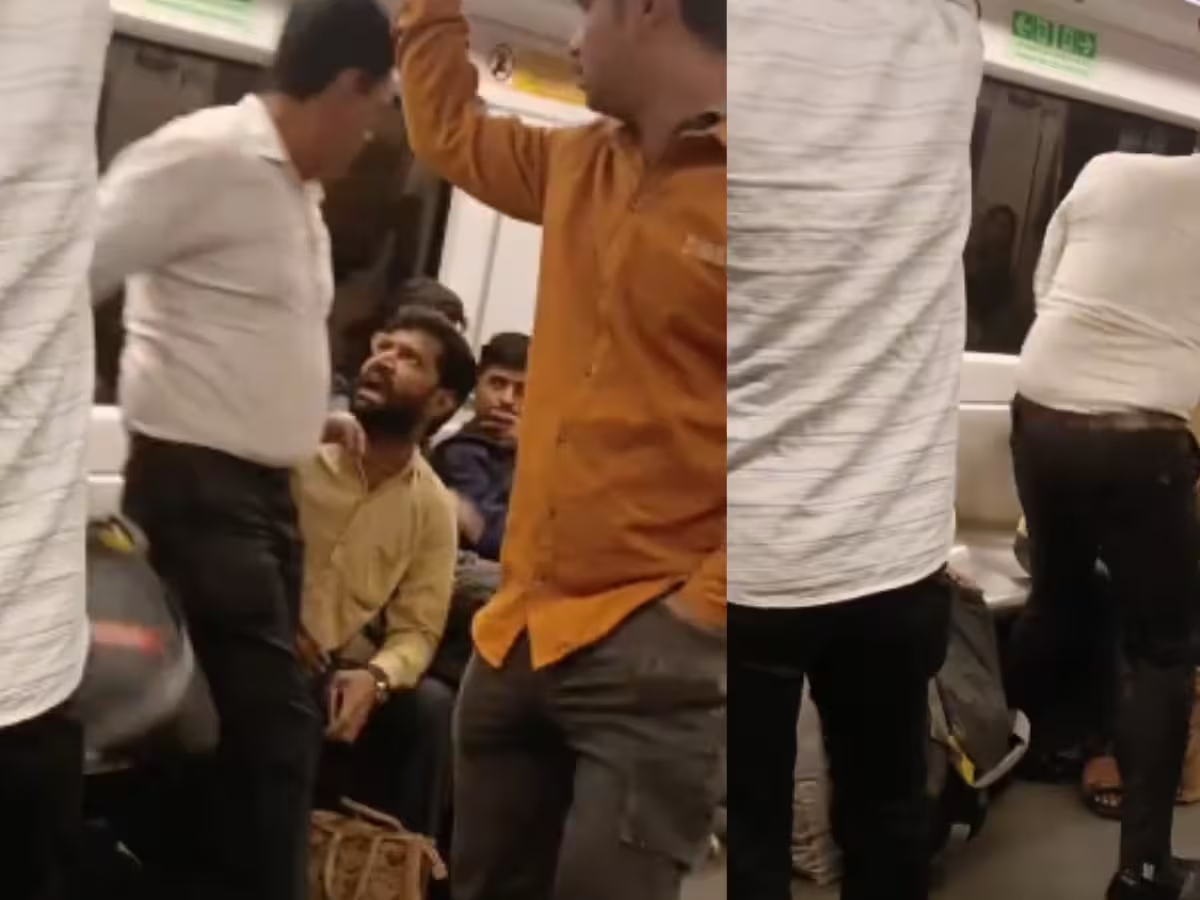
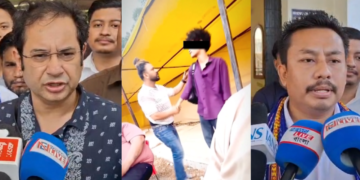
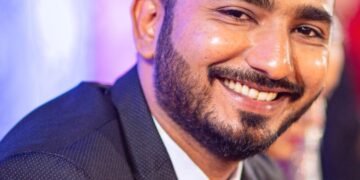
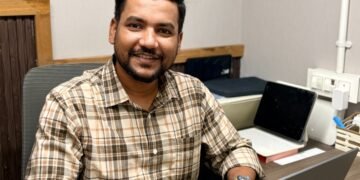
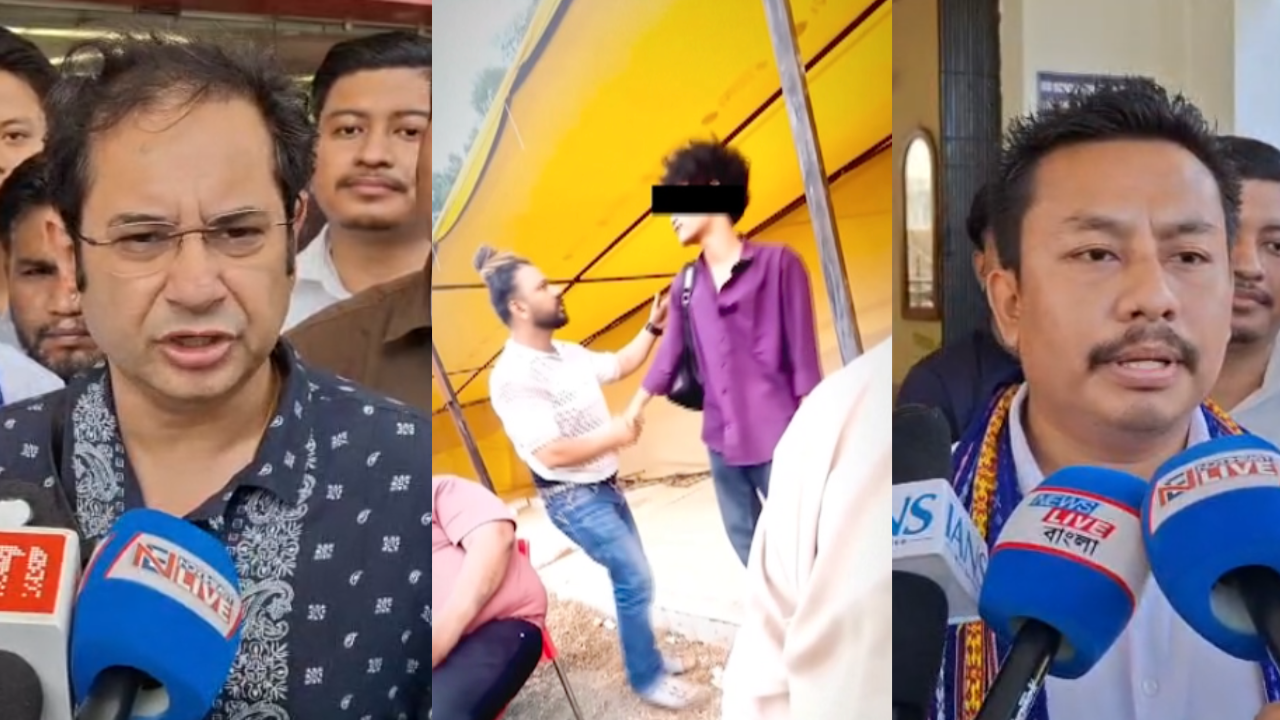
The controversy involves social media content creator Amir Shokeen. A video circulating online purportedly shows him making derogatory remarks about a young man from Tripura, including references to his appearance and ethnicity. The footage has drawn criticism from political leaders and social organisations, who say such remarks cannot be dismissed as harmless entertainment.
The chief minister’s direction comes amid growing demands for an investigation into the incident. According to reports published on October 21 and 22, 2026, the state government has called for coordination between the police forces to ensure that the matter is handled through the appropriate legal process.
The controversy has also prompted a wider discussion about racial stereotyping, the treatment of people from Northeast India in metropolitan cities and the responsibilities of social media creators.
What the Viral Video Allegedly Shows
The video at the centre of the controversy reportedly shows Shokeen interacting with a young man from Tripura in Delhi. The content has been criticised for allegedly using racial slurs and making insulting references to the young man’s appearance and regional identity.
Reports say the video included references describing the youth as Chinese, along with other remarks that were widely viewed as derogatory. Critics have argued that associating people from Northeast India with another nationality based on their physical features reinforces harmful stereotypes and questions their identity as Indian citizens.
The footage has circulated on social media, where users have expressed anger and called for accountability. The incident has also attracted attention beyond online discussions, with political representatives and community organisations seeking police intervention.
However, the allegations must be distinguished from findings established through an investigation. The complete context of the recording, the circumstances in which it was made and the legal implications of the conduct remain matters for the relevant authorities to examine.
Youth TIPRA Federation Files Police Complaint
The Youth TIPRA Federation (YTF), the youth wing of the Tipra Motha Party, filed a complaint at Agartala’s NCC Police Station on October 21, seeking legal action against Shokeen over the alleged racial abuse.
According to reports, the organisation requested that police consider registering a First Information Report under applicable provisions of the Bharatiya Nyaya Sanhita and the Information Technology Act, 2000. It also called for coordination with Delhi Police and cybercrime authorities to investigate the video and determine the circumstances surrounding the incident.
YTF representatives said the alleged remarks had humiliated the young man and insulted the people of Tripura. The organisation also raised concerns about the experiences of people from the Northeast who travel to other parts of India for education, employment and other opportunities.
The complaint represents a formal demand for investigation, not a judicial finding of guilt. Whether an FIR is registered, which legal provisions apply and what further action follows are matters for the police and other competent authorities.
The case has also drawn attention to the role of regional organisations in responding to alleged discrimination against indigenous communities.
Content Creator Issues Apology and Says Video Was Scripted
Amid the backlash, Shokeen reportedly issued an apology and claimed that the video was scripted. He said the interaction was intended as humorous content and that he did not mean to offend the young man or the people of Tripura.
His explanation has not ended the controversy. Critics have argued that describing a video as scripted does not automatically resolve concerns about the use of racial stereotypes or the effect such content may have on viewers.
The claim that the video was scripted is Shokeen’s stated position and should not be treated as independently established fact. Investigators would need to examine the available footage, the circumstances of the recording and any relevant statements from the people involved to establish the full context.
The controversy highlights a broader issue for online creators. Content presented as a prank or comedy can still cause harm if it relies on stereotypes about ethnicity, appearance, language or regional identity. An apology may acknowledge the offence caused, but questions about responsibility and possible legal consequences must be assessed separately.
At the time of the reports cited here, the matter had prompted calls for investigation and legal action. Any further developments should be assessed against official police statements and verified updates.
Political Leaders Condemn the Alleged Remarks
The controversy has prompted reactions from political leaders across party lines in Tripura. Tipra Motha founder Pradyot Kishore Manikya Debbarma condemned the alleged remarks and called for appropriate action, arguing that the incident was an insult to the people of the state.
Tripura Leader of the Opposition Jitendra Chaudhury also demanded action, while other regional political representatives called on the authorities to investigate the allegations. Their responses reflect the concern that racial stereotyping of people from the Northeast should not be normalised as entertainment.
Union Parliamentary Affairs Minister Kiren Rijiju also condemned the alleged conduct on October 22, according to news reports, and said the person responsible should face consequences. His reaction brought the controversy into the wider national conversation about discrimination against people from the region.
The range of responses indicates that the issue extends beyond a dispute involving an individual creator. For political leaders and community organisations, it raises questions about dignity, equal treatment and the safety of people from the Northeast in other parts of India.
The investigation, rather than public reactions alone, will be important in determining what happened and whether any law was violated.
Why Racial Stereotyping of Northeast Indians Remains a Concern
The incident has renewed discussion about racial discrimination faced by people from Northeast India in major cities. People from the region have reported being stereotyped because of their physical features, names, languages, food habits or cultural practices.
Such assumptions can affect everyday interactions, including housing, education, workplaces and public spaces. When derogatory remarks are broadcast online, the potential audience becomes much larger, and prejudicial attitudes can be repeated or normalised through comments, reposts and imitation.
India’s Northeast is home to diverse ethnic, linguistic and cultural communities. Treating people from the region as though they share a single ethnic identity, or assuming that appearance determines nationality, ignores that diversity and can reinforce exclusion.
For students and workers who move to cities such as Delhi, Mumbai, Bengaluru and Pune, respectful treatment is an important part of living and working in a different environment. Public discussion of alleged racial harassment can help bring attention to these experiences, provided reporting remains accurate and avoids making unsupported claims.
The current controversy also demonstrates why social media platforms and creators need to consider how jokes involving ethnicity or regional identity may be received. Freedom of expression does not remove the need to understand the impact of published content, while any question of legal liability must be determined under applicable law and due process.
What the Case Means for Social Media Creators
The controversy offers a timely reminder that online popularity brings responsibility. A video designed to attract views may reach audiences far beyond the creator’s intended community, including people who feel targeted by its language or portrayal.
Creators should be especially careful with pranks, street interviews and scripted interactions involving strangers. Clear consent, respectful language and careful editing can help prevent people from being humiliated for entertainment. Even when participants agree to appear in a video, consent does not necessarily settle every ethical question about how the content represents a wider community.
Audiences also have a role to play. Before sharing a controversial clip, users can check the original upload, look for reliable reporting and avoid treating an allegation as proven solely because a video has gone viral.
For journalists, the distinction between allegation, apology, police complaint and established legal finding is equally important. Responsible reporting should identify who made each claim, include the response from the person accused when available and update the story when authorities confirm new information.
In this case, the next important developments will be any official confirmation from Tripura Police or Delhi Police, clarification of the complaint’s status and findings from an investigation. Until then, the allegations should be reported with appropriate caution.
Key Takeaways
- Tripura Chief Minister Manik Saha has directed the state DGP to coordinate with Delhi Police over a viral video allegedly involving racial remarks against a young man from Tripura.
- The Youth TIPRA Federation filed a police complaint on October 21, 2026, seeking legal action against content creator Amir Shokeen.
- Shokeen reportedly apologised and claimed the video was scripted, an explanation that has not ended public criticism.
- Political leaders have condemned the alleged remarks, renewing concerns about racial stereotyping and discrimination against people from Northeast India.
Frequently Asked Questions
1. Why has Tripura CM Manik Saha sought action against a content creator?
Manik Saha directed the state’s DGP to coordinate with Delhi Police after a video allegedly showing racial remarks against a young man from Tripura circulated online. The direction followed public criticism and demands for an investigation.
2. Who is the content creator involved in the controversy?
The creator has been identified in media reports as Amir Shokeen. He reportedly apologised over the video and claimed that the interaction was scripted. The allegations and the circumstances surrounding the recording remain subject to investigation.
3. Has a police complaint been filed in the case?
Yes. The Youth TIPRA Federation filed a complaint at Agartala’s NCC Police Station on October 21, 2026, requesting legal action and coordination with Delhi Police. The complaint itself does not establish guilt.
4. Why has the incident triggered wider concerns about racism?
The controversy has renewed concerns about racial stereotypes directed at people from Northeast India, particularly assumptions about their nationality based on their appearance. Community representatives say such remarks can undermine dignity and reinforce discrimination in public spaces and online.