



























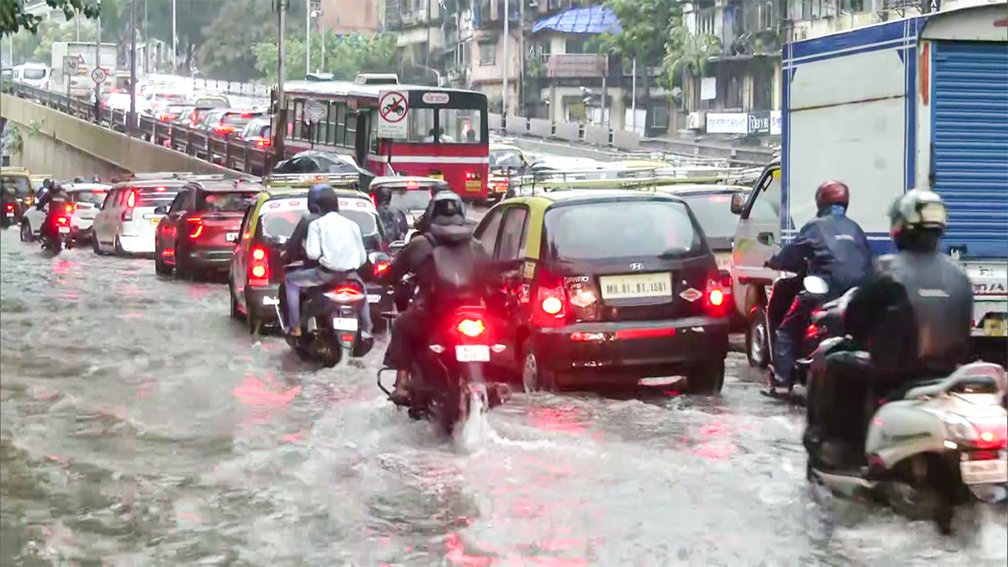
Mumbai continues to experience heavy monsoon rainfall, affecting road traffic, suburban train services, public transport, and everyday routines. Authorities have advised residents to stay alert as intermittent heavy showers, waterlogging, and slow-moving traffic continue to impact several parts of the city during the peak monsoon season.
The topic is time sensitive because it relates to the ongoing monsoon conditions in Mumbai and official weather advisories. The article below follows a news reporting style.
The Mumbai monsoon alert remains one of the most searched weather topics as heavy rainfall continues to affect transportation, commuting, and daily activities across India’s financial capital. Although Mumbai is accustomed to intense monsoon showers every year, prolonged rainfall often results in waterlogged roads, traffic congestion, delayed public transport, and disruption to normal routines.
The India Meteorological Department (IMD) has continued to monitor active monsoon conditions across Maharashtra, urging residents to follow official weather updates and avoid unnecessary travel during periods of intense rainfall. Across India, July has witnessed near-normal overall rainfall despite earlier concerns about the possible impact of El Niño, highlighting the increasingly unpredictable nature of the southwest monsoon.
Roads and Traffic Face the Biggest Challenge
Heavy rain has once again slowed traffic across Mumbai, particularly during peak office hours. Waterlogging in low-lying areas, reduced visibility, and slow vehicle movement have increased travel times on several major roads.
Motorists are being advised to drive carefully, maintain safe distances, and avoid flooded stretches wherever possible. Traffic police continue to monitor key junctions while civic authorities deploy pumps and emergency teams to clear accumulated rainwater.
The city’s complex road network means even localized heavy showers can create congestion that spreads across multiple areas. Commuters using private vehicles and app-based taxis often experience significant delays during intense rainfall, especially during morning and evening rush hours.
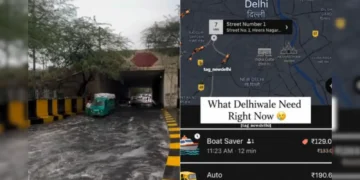
Earlier this monsoon, torrential rain caused widespread waterlogging across Mumbai, affecting major roads and bringing traffic to a crawl in several parts of the city.
Public Transport Continues to Operate With Caution
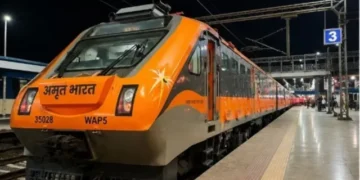
Mumbai’s suburban railway network remains the backbone of daily commuting for millions of people. During heavy rainfall, railway authorities closely monitor track conditions, drainage systems, and visibility before making operational decisions.
Bus services generally continue running but may experience delays when roads become waterlogged. Local train services can also witness slower movement if rainfall intensity increases or visibility falls below safe operating limits.
Passengers are encouraged to check official railway and transport updates before beginning their journey, particularly if the IMD issues nowcast warnings for intense rainfall.
Previous IMD impact forecasts have noted that extremely heavy rainfall can disrupt road, rail, ferry, and air transport while increasing the risk of waterlogging in vulnerable locations.
Schools, Offices and Businesses Adjust to Weather Conditions
Heavy monsoon showers influence far more than transportation. Schools, offices, retail businesses, delivery services, and construction projects often modify operations depending on rainfall intensity.
While no citywide closure automatically accompanies heavy rainfall, local authorities may issue advisories if weather conditions worsen. Parents frequently monitor weather bulletins before sending children to school, particularly when orange or red alerts are issued.
Many companies now allow employees to work remotely during periods of exceptionally severe weather, reducing pressure on public transport and improving commuter safety.
Across several states this week, district administrations have been closely monitoring IMD alerts before taking decisions regarding educational institutions, demonstrating the importance of localized weather-based planning.
Civic Agencies Remain on High Alert
The Brihanmumbai Municipal Corporation (BMC) and disaster management teams remain prepared throughout the monsoon season to respond to flooding, fallen trees, drainage blockages, and emergency situations.
Emergency response teams continuously monitor rainfall, tidal conditions, pumping stations, and vulnerable flood-prone locations. High tide combined with heavy rainfall can slow the drainage of rainwater into the sea, increasing the likelihood of temporary flooding in certain neighbourhoods.
Residents living in low-lying areas are advised to remain alert and follow instructions issued by civic authorities whenever heavy rainfall warnings are announced.
Meteorological experts also note that climate variability is making rainfall events more intense and localized, requiring faster forecasting and stronger urban preparedness.
What Residents Should Keep in Mind During Heavy Rain
Although Mumbai’s infrastructure has improved over the years, heavy monsoon spells continue to test drainage systems and transport networks.
Residents are advised to avoid walking or driving through flooded roads where the depth of water cannot be judged. Electrical hazards, open manholes, and stalled vehicles can create additional risks during waterlogging.
Those travelling should carry fully charged mobile phones, keep emergency contact numbers accessible, and monitor official weather updates before leaving home.
Weather experts recommend relying on verified forecasts from the IMD and government agencies instead of unverified social media messages, which may circulate outdated rainfall warnings.
The monsoon remains essential for Maharashtra’s water supply and agriculture, but it also requires continuous preparedness from authorities and citizens alike.
Takeaways
- Heavy monsoon rainfall continues to disrupt traffic and daily commuting across Mumbai.
- Waterlogging and slow-moving traffic remain the biggest challenges during intense showers.
- Authorities advise residents to monitor official weather updates before travelling.
- Civic agencies remain prepared to respond to flooding and other monsoon-related emergencies.
FAQ
Q1. Why does heavy rain cause traffic congestion in Mumbai?
Waterlogging, reduced visibility, slower vehicle speeds, and flooded intersections significantly increase travel time across major roads.
Q2. Are Mumbai local trains affected during heavy rainfall?
Most services continue operating, but trains may run slower or experience delays if rainfall becomes extremely intense or track conditions are affected.
Q3. Does heavy rainfall automatically lead to school closures?
No. Decisions regarding schools are generally taken by local authorities based on IMD forecasts and the severity of weather conditions in specific districts.
Q4. How can residents stay safe during Mumbai’s monsoon?
Follow official weather advisories, avoid flooded roads, plan travel carefully, and rely on verified updates from the IMD and civic authorities.
(Internal keywords: Mumbai monsoon alert, Mumbai heavy rain, Mumbai traffic update, IMD weather alert, Mumbai rainfall today, waterlogging in Mumbai, Mumbai local train update, Maharashtra monsoon, Mumbai weather news, heavy rain advisory)