

























Mumbai’s monsoon has once again tested the city’s transport network, with heavy rainfall leading to waterlogging, traffic congestion and disruptions to rail services. While authorities continue to improve drainage infrastructure, intense rainfall events have highlighted the challenges commuters face every monsoon season and the need for better long-term urban planning.
The Mumbai monsoon remains one of the biggest annual challenges for India’s financial capital. In early July 2026, the city witnessed exceptionally heavy rainfall, causing widespread waterlogging, traffic jams, delayed suburban trains and disruptions on key transport routes. Rainfall at some observatories crossed monthly averages within just a few days, putting immense pressure on civic infrastructure and daily commuters.
Heavy Rainfall Brings Mumbai to a Standstill
The first half of July saw multiple spells of intense rain across Mumbai, Thane and surrounding districts. According to weather observations, several parts of the city recorded more than 200 mm of rainfall within 24 hours during the heaviest spells. The India Meteorological Department also issued red and orange alerts on multiple occasions as heavy rain continued across the Mumbai Metropolitan Region.
As roads filled with water, traffic slowed significantly on major routes including the Eastern Express Highway, Western Express Highway and several arterial roads connecting residential and business districts. Waterlogging at low-lying locations forced motorists to take longer routes, increasing travel times across the city.
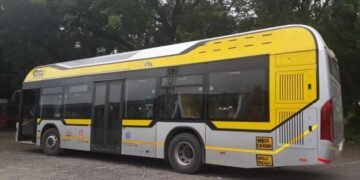
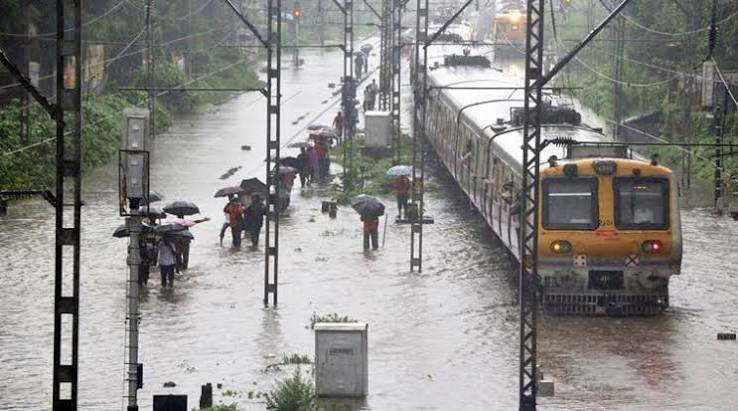
Public transport also experienced disruptions. Mumbai’s suburban railway network, often described as the city’s lifeline, reported delays on several lines as heavy rain affected signalling systems and reduced train speeds for safety. Bus services also moved slowly because of flooded roads and traffic congestion.
Why Mumbai Continues to Face Waterlogging
Mumbai has invested heavily in stormwater drainage upgrades over the years, yet flooding continues during periods of exceptionally heavy rainfall.
One reason is the increasing frequency of intense cloudburst-like events. Instead of moderate rainfall spread across several days, the city often receives very large volumes of rain within a few hours. Existing drainage systems, even after upgrades, struggle to remove water quickly enough during these extreme events.
Rapid urbanisation has added another challenge. Large paved surfaces, shrinking open spaces and reduced natural drainage limit the amount of rainwater that can be absorbed into the ground. High tides during heavy rain can also slow the discharge of stormwater into the Arabian Sea, worsening flooding in vulnerable locations.
Experts also point to climate change as a factor contributing to more frequent episodes of extreme rainfall, requiring cities to redesign infrastructure for future weather patterns rather than historical averages.
Impact on Daily Commuters
For millions of Mumbaikars, commuting during the monsoon becomes unpredictable.
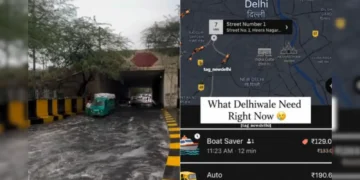
Office workers often leave home much earlier than usual because even short distances can take significantly longer during heavy rain. Ride-hailing fares typically increase during peak rainfall periods due to high demand and slower vehicle movement.
School and college students also experience delays when buses operate behind schedule or roads become temporarily inaccessible. Pedestrians face additional risks while walking through waterlogged streets where open drains or potholes may not be visible.
Intercity travel is not immune either. Heavy rain and landslides in the Western Ghats have affected Mumbai-Pune connectivity during this monsoon. Railway authorities recently began phased restoration of train services after repair work on rain-affected sections, demonstrating how monsoon conditions can impact regional transport beyond the city itself.
How Authorities Respond During Heavy Rain
The Brihanmumbai Municipal Corporation, traffic police, disaster management teams and railway authorities coordinate closely during severe weather events.
Stormwater pumps are activated in flood-prone areas, civic teams clear blocked drains and fallen trees, while traffic police divert vehicles away from heavily waterlogged roads. Local train operators impose speed restrictions whenever track conditions require additional safety measures.
Weather forecasts issued by the India Meteorological Department play an important role in helping authorities prepare for heavy rainfall. Red and orange alerts enable emergency teams to remain on standby before the most intense rain arrives.
Despite these measures, experts agree that long-term resilience will require continued investment in drainage systems, flood forecasting technology, climate-resilient infrastructure and better urban planning.
What Commuters Can Do During the Monsoon
Residents can reduce travel-related risks by checking weather forecasts before leaving home, allowing extra travel time during heavy rain and monitoring updates from railway and traffic authorities.
Avoid driving through deep water, as stalled vehicles can create additional congestion while hidden potholes may damage cars or two-wheelers. Public transport users should also keep alternative travel plans ready whenever severe weather warnings are issued.
Although Mumbai has developed remarkable resilience over decades of monsoons, increasingly intense rainfall means both authorities and citizens must continue adapting to changing weather conditions.
Key Takeaways
- Mumbai experienced exceptionally heavy rainfall during early July 2026, causing widespread traffic congestion and waterlogging.
- Extreme rainfall intensity, urbanisation and tidal conditions continue to challenge the city’s drainage infrastructure.
- Road traffic, suburban rail services and regional transport links have all experienced weather-related disruptions.
- Long-term improvements in drainage, climate resilience and urban planning remain essential for reducing future monsoon impacts.
FAQs
Why does Mumbai experience waterlogging every monsoon?
Heavy rainfall within short periods, combined with rapid urbanisation, tidal influences and drainage limitations, contributes to recurring waterlogging.
Which transport services are most affected during heavy rain?
Road traffic, suburban local trains, BEST buses and occasionally intercity rail services experience delays during intense rainfall.
Has Mumbai improved its flood management infrastructure?
Yes. Pumping stations, drainage upgrades and improved emergency response have reduced flooding in some areas, but extreme rainfall continues to overwhelm parts of the city during severe weather events.
How can commuters stay safe during heavy rainfall?
Monitor IMD weather alerts, plan additional travel time, avoid flooded roads whenever possible and follow traffic and railway advisories.
(Internal keyword suggestions: Mumbai monsoon, Mumbai rain today, Mumbai traffic update, Mumbai waterlogging, Mumbai local train delay, Mumbai weather, Mumbai flooding, IMD Mumbai alert, Mumbai commuter guide, Mumbai monsoon 2026)