
























Chennai’s infrastructure projects are set to shape the city’s growth during the second half of 2026, with major investments in metro rail, roads, water supply and urban mobility. These projects aim to improve connectivity, reduce congestion and support one of India’s fastest-growing metropolitan economies.
The second half of 2026 is expected to be significant for Chennai as multiple public infrastructure projects move toward completion or enter critical construction phases. From new Metro Rail corridors and elevated highways to water supply upgrades and multimodal transport hubs, these developments are expected to influence daily commuting, industrial growth and urban planning across the city.
Chennai Metro Phase II Remains the Biggest Mobility Project
Among all ongoing developments, Chennai Metro Phase II continues to be the city’s largest infrastructure project. Several sections are under active construction, while the Vadapalani to Poonamallee corridor is expected to become operational after receiving the required approvals. The stretch is designed to improve connectivity between western Chennai and the city centre, benefiting thousands of daily commuters.
Construction is also progressing across multiple Phase II corridors connecting residential neighbourhoods, business districts and transport hubs. Once completed, the expanded metro network will significantly reduce dependence on private vehicles and improve last-mile connectivity through integrated transport systems.
Metro expansion is also expected to support real estate development around stations, encouraging transit-oriented urban growth.
Chennai Port to Maduravoyal Elevated Corridor Gains Momentum
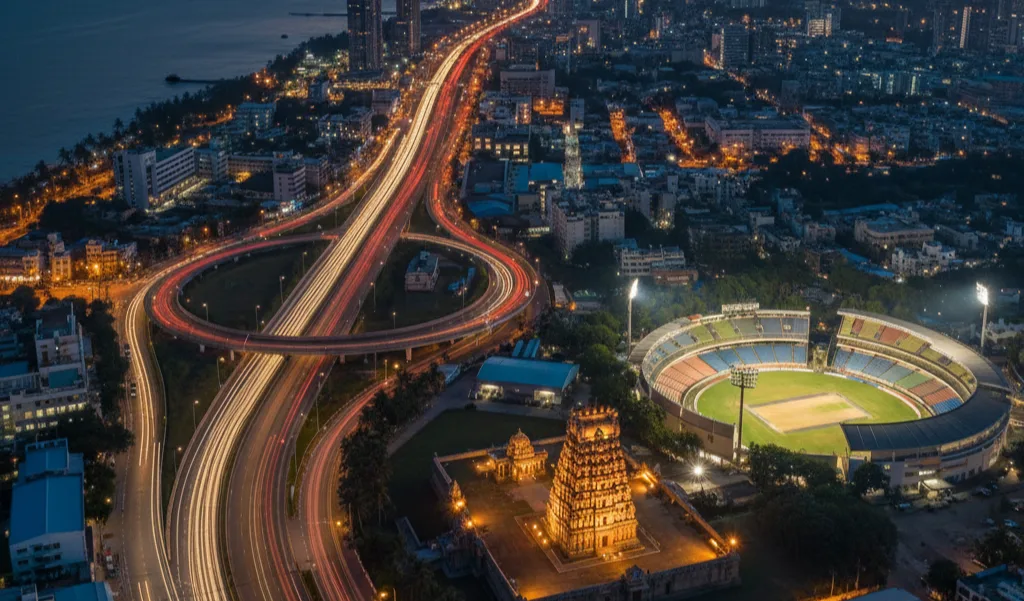
Another closely watched project is the Chennai Port to Maduravoyal Double Tier Elevated Corridor. The long-pending project, which resumed after years of delays, is progressing with a targeted completion in 2027.
The elevated corridor is expected to separate freight traffic heading to Chennai Port from regular city traffic. Heavy commercial vehicles currently contribute to congestion on several arterial roads, and the new corridor is intended to improve cargo movement while reducing travel time for commuters.
The project is also expected to strengthen Chennai’s position as one of India’s major logistics and maritime hubs.
Water Supply and Sanitation Receive Major Investment
Infrastructure development in Chennai is not limited to transport. Water security remains a priority as the city continues to experience rapid urban expansion.
Earlier this month, the Asian Development Bank approved a $230 million loan to modernise Chennai’s water supply and sanitation systems. The project aims to improve drinking water distribution, expand sewerage networks and enhance wastewater management for nearly 4.5 million residents across Greater Chennai.
Reliable water infrastructure is considered essential for sustaining residential growth, attracting industries and improving public health in one of India’s largest urban centres.
Urban Transit and Multimodal Connectivity Continue to Improve
The Chennai Metropolitan region is increasingly focusing on integrating different modes of transport instead of expanding roads alone.
Work continues on multimodal transport planning, including developments around Guindy that aim to improve connections between Metro Rail, suburban rail, buses and other public transport services. Chennai Metro Rail Limited has also continued infrastructure upgrades and planning initiatives to support future passenger growth.
These improvements are expected to reduce transfer times for commuters and encourage greater use of public transport, particularly among office workers and students.
Infrastructure Challenges Still Need Attention
While construction activity remains strong, Chennai also faces several infrastructure challenges.
Recent studies have highlighted land subsidence in parts of the city, increasing concerns about long-term flood resilience and urban planning. Experts suggest that future infrastructure projects must incorporate climate resilience, improved drainage and sustainable construction practices to address these risks.
Financial pressures have also affected some civic projects. Reports indicate that the Greater Chennai Corporation has deferred or cancelled certain infrastructure tenders while reviewing expenditure priorities. However, major strategic transport and public utility projects continue to move forward.
Balancing rapid urban development with environmental sustainability will remain one of Chennai’s biggest planning challenges over the coming years.
Why These Projects Matter for Chennai’s Future
Infrastructure investment has become one of the strongest drivers of Chennai’s economic growth.
Improved transport networks reduce travel time, attract businesses and create employment opportunities during both construction and operation. Better water and sanitation systems improve quality of life, while integrated public transport encourages sustainable urban mobility.
For residents, these projects promise easier commuting and better civic services. For industries and investors, they strengthen Chennai’s competitiveness as a manufacturing, automobile, technology and logistics hub.
Although some projects will extend beyond 2026, the progress made during the second half of this year will play a crucial role in determining how efficiently the city supports its growing population and expanding economy.
Key Takeaways
- Chennai Metro Phase II remains the city’s most significant transport infrastructure project.
- The Chennai Port to Maduravoyal Elevated Corridor is progressing toward its planned 2027 completion.
- A major international investment will modernise Chennai’s water supply and sanitation network.
- Climate resilience and financial management remain important considerations for future infrastructure planning.
Frequently Asked Questions
Q1. Which is Chennai’s biggest infrastructure project in 2026?
Chennai Metro Phase II is currently the largest ongoing urban infrastructure project, involving multiple corridors across the metropolitan region.
Q2. What is the Chennai Port to Maduravoyal Elevated Corridor?
It is a double-tier elevated highway designed to improve freight movement between Chennai Port and western parts of the city while reducing traffic congestion.
Q3. How will these projects benefit residents?
They are expected to improve public transport, reduce travel time, strengthen water supply, enhance sanitation services and support economic growth.
Q4. Are all these projects expected to finish in 2026?
No. While some sections may become operational during 2026, several large infrastructure projects, including the elevated corridor and parts of Metro Phase II, are scheduled for completion over the next few years.
(Internal keyword suggestions: Chennai infrastructure projects 2026, Chennai Metro Phase II, Chennai development news, Chennai Port Maduravoyal corridor, Chennai water supply project, Chennai urban infrastructure, Chennai transport projects, Tamil Nadu infrastructure, Chennai smart city, Chennai Metro expansion)