































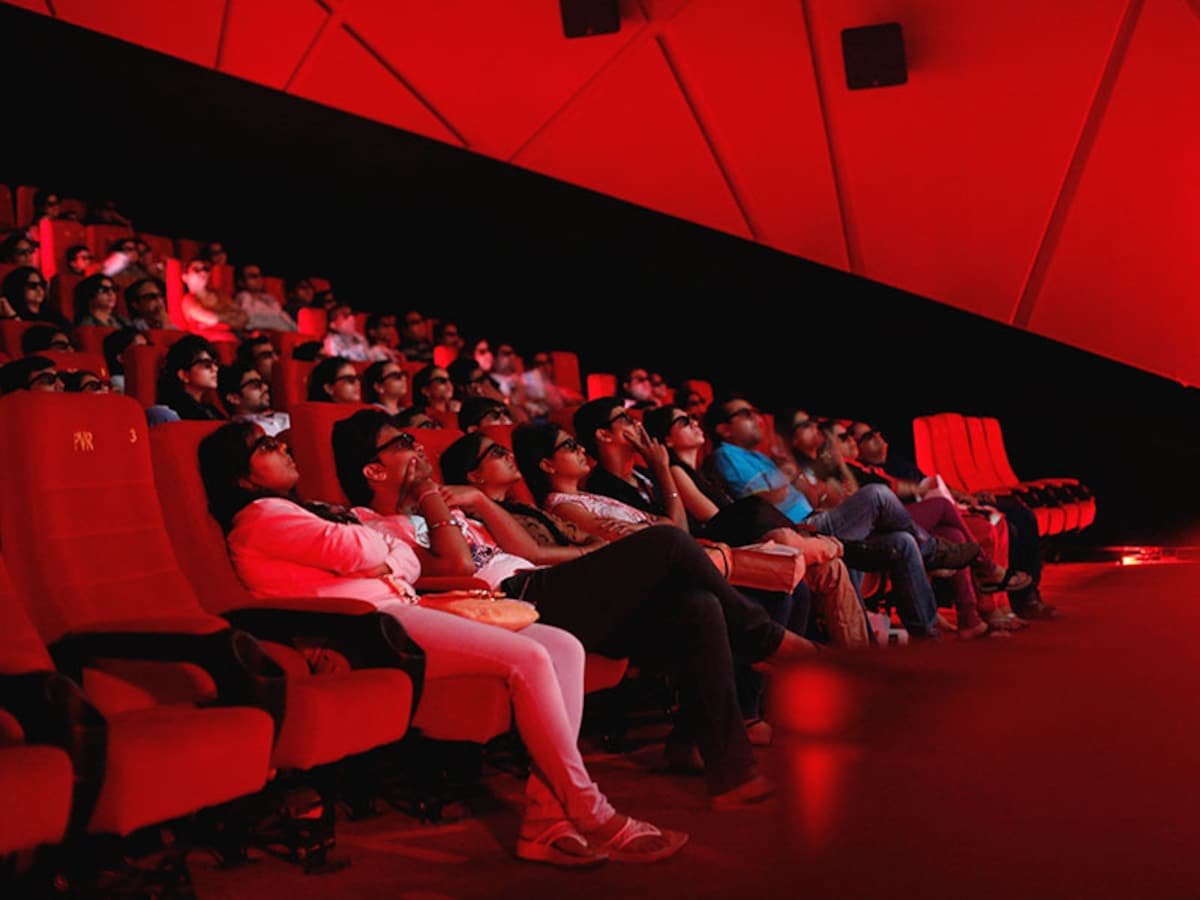
Indian multiplex chains are reporting stronger footfalls in 2026, suggesting that audiences are increasingly returning to theatres after years of disruption caused by the pandemic and the rapid rise of streaming platforms. Industry observers believe a combination of blockbuster releases, premium cinema experiences, and changing consumer behavior is driving the recovery.
Theatre Footfalls Show Signs of Strong Recovery
Theatres in India have witnessed a noticeable improvement in audience attendance during 2026. Multiplex operators across major cities have reported better occupancy levels compared to previous years, particularly during weekends and major film releases.
The recovery comes after a challenging period when OTT platforms became the primary source of entertainment for millions of viewers. During that time, many industry experts questioned whether traditional cinema-going habits would fully return.
However, recent trends suggest that audiences still value the big-screen experience. Successful releases across Hindi, Telugu, Tamil, Malayalam, and Kannada cinema have demonstrated that compelling content can draw large crowds back to theatres.
Industry analysts note that while attendance may not be uniformly strong across all films, major releases continue to attract significant audience interest and generate substantial box office revenue.
Blockbuster Films Drive Multiplex Growth
One of the biggest reasons behind the rise in multiplex footfalls is the increasing number of event films. Large-scale productions featuring major stars, visual effects, and theatrical spectacles have encouraged audiences to leave their homes and purchase cinema tickets.
Recent years have shown that audiences are selective about what they watch in theatres. Instead of visiting cinemas for every release, many consumers now reserve theatre visits for films that offer a unique viewing experience.
This trend has benefited large-budget action films, historical dramas, fantasy projects, and franchise-based entertainment. Films that generate strong pre-release buzz often translate into higher occupancy rates for multiplex chains.
The success of such releases has reinforced the idea that theatres remain relevant when content is positioned as a premium entertainment event.
Premium Cinema Experience Attracts Younger Audiences
Multiplex operators have invested heavily in enhancing the overall cinema experience. Recliner seating, advanced sound systems, premium screens, gourmet food options, and luxury formats have helped theatres differentiate themselves from home viewing.
Young consumers in particular are increasingly treating cinema visits as social experiences rather than simply content consumption. Watching a film in a theatre often includes dining, shopping, and social interaction, creating value beyond the movie itself.
This shift is especially visible in metropolitan areas such as Delhi, Mumbai, Bengaluru, Hyderabad, Chennai, and Pune. However, premium cinema formats are also expanding into Tier-2 cities, where consumer spending on entertainment continues to grow.
As disposable incomes increase, multiplex chains are finding opportunities to attract audiences seeking experiences that cannot be replicated through streaming platforms.
OTT Platforms Continue to Influence Viewing Habits
Despite the recovery in theatre attendance, OTT platforms remain a significant force in India’s entertainment ecosystem. Streaming services have fundamentally changed how audiences consume content, particularly for smaller films and niche genres.
Many viewers now prefer watching dramas, documentaries, and experimental content at home. As a result, theatrical success increasingly depends on a film’s ability to create excitement and justify the cinema experience.
Industry experts describe the current environment as a coexistence model rather than a competition between theatres and OTT platforms. Big-screen releases and streaming content often serve different audience needs.
This balance has encouraged filmmakers and studios to design release strategies that maximize both theatrical revenue and subsequent digital distribution opportunities.
Tier-2 Cities Become Important Growth Markets
Another notable development is the growing contribution of Tier-2 and Tier-3 cities to box office collections. Multiplex chains have expanded their presence beyond traditional metropolitan markets, bringing modern cinema infrastructure to emerging urban centers.
Cities such as Indore, Nagpur, Lucknow, Surat, Coimbatore, Bhubaneswar, and Jaipur are witnessing increased consumer demand for quality entertainment experiences.
Improved infrastructure, rising incomes, and greater access to premium entertainment have made these markets increasingly attractive for theatre operators.
The expansion into smaller cities is helping multiplex chains diversify revenue sources and reduce dependence on a few major urban centers. This trend is expected to play a crucial role in the industry’s long-term growth.
Challenges That Still Remain for Multiplex Operators
Although footfalls are improving, the industry continues to face challenges. Rising ticket prices, food and beverage costs, and changing consumer expectations remain key concerns.
Many families carefully evaluate entertainment spending and may choose streaming subscriptions over multiple theatre visits. Additionally, inconsistent film quality can lead to fluctuations in attendance.
Multiplex operators must continue investing in customer experience while maintaining affordability. The ability to balance premium offerings with accessible pricing will likely determine future growth.
The industry also depends heavily on a steady pipeline of high-quality content. Without strong releases, audience momentum can quickly decline.
What the Recovery Means for Indian Cinema
The improvement in theatre footfalls indicates that cinema remains an important part of India’s entertainment culture. While viewing habits have evolved, audiences continue to seek collective experiences that theatres uniquely provide.
Rather than replacing cinemas, streaming platforms have encouraged the industry to redefine the value of theatrical entertainment. As a result, theatres are focusing more on premium experiences, blockbuster events, and audience engagement.
The trends observed in 2026 suggest that Indian cinemas are adapting successfully to a changing entertainment landscape, with multiplex chains finding new ways to remain relevant and profitable.
Takeaways
• Multiplex chains are reporting stronger audience footfalls during 2026.
• Blockbuster films and premium cinema experiences are driving theatre attendance.
• OTT platforms continue to influence viewing habits but have not replaced cinemas.
• Tier-2 and Tier-3 cities are emerging as important growth markets for multiplex operators.
FAQ
Why are more people returning to theatres in 2026?
Strong film releases, improved cinema experiences, and the appeal of watching movies on the big screen are encouraging audiences to return.
Are OTT platforms hurting multiplex business?
OTT platforms have changed viewing habits, but theatres and streaming services increasingly serve different entertainment needs.
Which films perform best in theatres today?
Large-scale action films, franchise movies, fantasy projects, and major star-driven releases typically attract the strongest theatre attendance.
Are Tier-2 cities contributing to box office growth?
Yes. Many Tier-2 cities are seeing increased demand for multiplex entertainment, making them important markets for industry expansion.
(multiplex footfalls 2026, indian theatres recovery, cinema attendance india, multiplex chains india, theatre audience trends, ott vs theatres, indian box office news, cinema industry 2026, movie theatre growth, entertainment industry india)