

























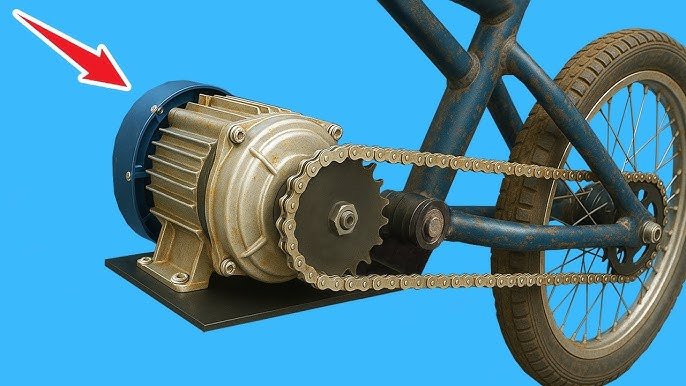
A viral DIY e-bike video showing a man converting an old bicycle into a functional electric vehicle has captured nationwide attention across India. The clip, widely shared on Instagram, YouTube Shorts, and WhatsApp, is being praised as a perfect example of Indian jugaad innovation meeting affordable green mobility.
Viral DIY E-Bike Video Grabs India’s Attention
The DIY e-bike viral video began circulating heavily on social media this week after a creator demonstrated how he transformed a basic old bicycle into a battery-powered electric cycle using locally available parts.
The video shows the man attaching a compact electric motor, battery pack, throttle system, and wiring setup to a traditional pedal bicycle. According to the demonstration, the modified cycle can travel without continuous pedaling and functions similarly to a low-speed electric bicycle.
Social media users across India quickly reacted to the innovation, calling it a smart low-cost mobility solution at a time when fuel prices and urban commuting costs remain high.
The trend gained traction especially among audiences in Tier-2 and Tier-3 cities, where affordable transportation solutions are highly relevant. Many viewers praised the creator for using recycled materials and practical engineering rather than expensive imported components.
The phrase “Jugaad to Genius” began trending in comment sections as users celebrated the project as a modern example of India’s long-standing culture of practical problem-solving.
Why DIY Electric Cycles Are Becoming Popular
The popularity of DIY electric bicycle conversions reflects growing interest in affordable EV alternatives across India. While electric scooters and electric motorcycles are expanding rapidly, their upfront costs still remain high for many consumers.
Electric conversion kits offer a cheaper alternative for users who already own bicycles. These kits usually include a motor hub, controller, battery, and throttle mechanism that can be attached to existing cycles.
Low-speed electric bicycles are also attractive because they typically require less maintenance than traditional fuel-powered two-wheelers. Charging costs are significantly lower compared to petrol expenses, especially for daily local commuting.
In smaller cities and semi-urban areas, bicycles continue to play an important transportation role for students, delivery workers, and local commuters. Adding electric assistance makes these vehicles more practical for longer travel distances and hilly roads.
The viral video resonated because it showed innovation using accessible resources rather than expensive technology. Many viewers commented that the project represented “real India innovation” instead of high-budget startup marketing.
India’s Jugaad Culture Continues to Influence Innovation
India has a long history of grassroots engineering solutions popularly known as jugaad. The term usually refers to low-cost, improvised problem-solving methods created using locally available materials and practical creativity.
From modified farming vehicles to homemade machinery and alternative transport systems, jugaad innovation has remained deeply connected to Indian daily life, especially in rural and semi-urban communities.
Social media platforms have amplified this culture significantly over the past few years. Videos showing homemade inventions, affordable hacks, and local engineering solutions regularly attract millions of views online.
The DIY e-bike video fits directly into this growing internet trend. Audiences often respond positively to content that feels practical, relatable, and achievable rather than overly polished or commercialized.
Several Indian startups in recent years have also emerged from similar grassroots innovation ideas. Affordable EV solutions, battery conversion systems, and low-cost mobility technologies are becoming increasingly important as India pushes toward electric transportation adoption.
The viral attention surrounding the video shows how audiences value innovation that solves real-world problems.
Experts Say Safety and Regulations Still Matter
While the viral DIY e-bike project received praise online, automotive and road safety experts also point out the importance of proper engineering standards and safety precautions.
Improper battery installations, poor wiring, or low-quality electrical components can create fire risks or mechanical failures if not handled correctly. Experts recommend using certified batteries, secure mounting systems, and professional-grade wiring whenever possible.
India’s transport regulations also distinguish between low-speed electric cycles and higher-powered electric vehicles. Electric bicycles operating below specified speed and power limits generally face fewer regulatory requirements, while more powerful modifications may require registration and compliance checks.
Some experts believe affordable conversion kits could become a major market opportunity if properly regulated and standardized. Organized solutions could help reduce pollution while providing low-cost transportation options in smaller cities.
At the same time, experts warn users against copying viral projects without understanding electrical safety basics.
Social Media Is Fueling Grassroots Tech Trends
The rapid spread of the DIY e-bike video highlights how social media is now shaping India’s grassroots technology ecosystem. Earlier, local innovations often remained limited to specific communities or regions. Today, a single short video can reach millions of viewers nationwide within hours.
Platforms like Instagram Reels, YouTube Shorts, and Facebook have become discovery engines for small inventors, mechanics, and independent creators. Viral visibility can even lead to business opportunities, sponsorships, or startup ideas.
The creator behind the viral e-bike video has already inspired other users to share similar modifications and homemade EV experiments online. Many creators are now posting tutorials explaining motor installation, battery selection, and electric conversion basics.
This trend reflects a broader shift in India’s digital economy where ordinary individuals are increasingly becoming innovation influencers through short-form content.
Affordable Green Mobility Remains a Growing Focus
India’s electric vehicle industry continues expanding rapidly, but affordability remains one of the biggest challenges for mass adoption. Premium EV scooters and bikes are growing in urban markets, but low-cost alternatives are still essential for widespread accessibility.
DIY electric bicycles represent one small but important part of this transition. They combine sustainability, affordability, and local innovation in a way that directly appeals to everyday users.
The viral success of the e-bike video also shows that audiences are actively searching for practical solutions rather than only aspirational technology content.
As battery technology becomes cheaper and EV awareness spreads further into smaller cities, similar grassroots innovations are likely to gain even more popularity in the coming years.
Key Takeaways
- A viral video showing a DIY electric bicycle conversion gained nationwide attention
- Audiences praised the project as a creative example of Indian jugaad innovation
- Affordable electric mobility solutions are becoming increasingly important across smaller cities
- Experts advise users to follow proper safety standards while attempting EV modifications
FAQs
What is a DIY e-bike conversion?
A DIY e-bike conversion involves modifying a regular bicycle using an electric motor, battery, and controller system to create an electric-powered cycle.
Why did the viral e-bike video become popular?
The video became popular because it showcased affordable innovation using recycled materials and practical engineering concepts relatable to Indian audiences.
Are DIY electric bicycles legal in India?
Low-speed electric bicycles within approved power and speed limits generally face fewer regulations, but higher-powered modifications may require compliance and registration.
Is it safe to build a homemade electric bicycle?
It can be safe if proper electrical components, certified batteries, and secure installations are used. Experts recommend following safety standards carefully.