





























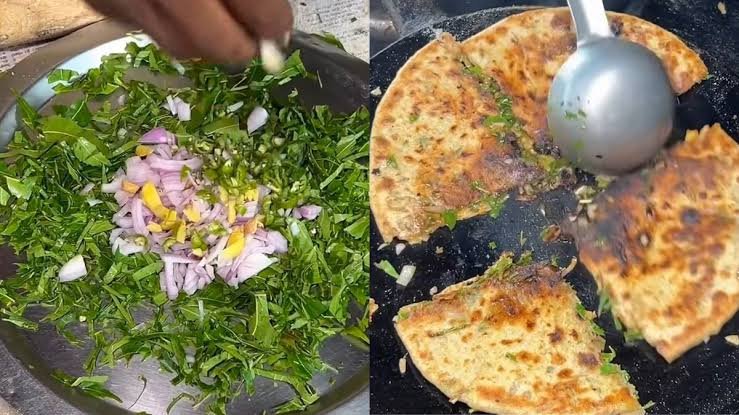
A viral video featuring a neem paratha has become one of the most talked-about food trends online. While some viewers praised the creativity behind the unusual recipe, many others questioned whether combining neem leaves with paratha was a culinary innovation or simply another attempt to create viral content.
Viral Neem Paratha Trend Takes Over Social Media
The keyword Neem Paratha Goes Viral has been trending after a street vendor’s recipe gained millions of views across social media platforms. The video shows fresh neem leaves being mixed into wheat dough before being rolled into parathas and cooked on a traditional tawa.
Within hours of being reposted by several food pages, the clip attracted thousands of comments from users across India. The reactions were sharply divided. Some viewers appreciated the attempt to create a healthier version of a traditional breakfast item, while others described the combination as unnecessary and unappetizing.
The debate quickly spread beyond food enthusiasts, with influencers, nutrition pages and meme creators joining the conversation. As often happens with viral street food videos, the discussion became less about the recipe itself and more about whether unusual food experiments are being created primarily for internet attention.
Why Neem Was Used in the Recipe
Neem has been part of traditional Indian practices for centuries. Different parts of the neem tree, especially its leaves, have long been used in Ayurveda and household remedies. Neem leaves are known for their naturally bitter taste and have traditionally been consumed in small quantities during certain regional festivals and seasonal health practices.
However, neem is not commonly used as a primary ingredient in everyday parathas. Most Indian households prepare parathas using vegetables, herbs or spices such as spinach, fenugreek, radish, cauliflower or potatoes.
The unusual combination of bitter neem leaves and soft wheat bread surprised many viewers because it differs significantly from familiar recipes. Some social media users said they would be willing to try it at least once out of curiosity, while others questioned whether the strong bitterness would affect the overall taste.
Nutrition experts also note that while neem has a long history in traditional medicine, it should not automatically be treated as a superfood or consumed excessively without proper understanding. Health benefits associated with neem are generally linked to controlled traditional use rather than frequent consumption in everyday meals.
Internet Reacts With Curiosity, Humor and Criticism
The viral video generated every type of online reaction. Many users posted humorous comments suggesting that street food experiments have reached a new level. Others joked that every traditional recipe is eventually turned into internet content.
Several food bloggers defended the vendor’s creativity, arguing that experimentation has always been part of Indian cuisine. They pointed out that dishes once considered unusual, such as chocolate dosa or cheese pani puri, also generated similar reactions before finding their own audiences.
Critics disagreed, saying that many viral recipes prioritize shock value over taste. According to them, social media algorithms reward unusual combinations because they generate comments and shares, encouraging vendors to create increasingly unconventional dishes.
Despite the criticism, the video continued to gain views as more content creators recreated the recipe or reacted to it, further increasing its reach across digital platforms.
Street Food Innovation and the Race for Viral Fame
India’s street food culture has always evolved with changing consumer preferences. Vendors regularly introduce new flavors, ingredients and presentation styles to attract customers.
In recent years, however, social media has significantly influenced this evolution. Many food stalls now design recipes specifically to stand out in short-form videos. Whether it is giant samosas, unusual ice cream flavors or colorful beverages, visual appeal often becomes just as important as taste.
The neem paratha video reflects this growing trend. Regardless of whether viewers liked or disliked the recipe, the discussion generated massive online engagement. Digital marketing experts often describe this as “curiosity-driven virality,” where people share content simply because it is unexpected.
This does not necessarily mean the dish will become a mainstream menu item. Many viral foods enjoy brief popularity before disappearing as new internet trends emerge.
What the Viral Debate Says About Food Culture
The popularity of the neem paratha discussion highlights how food has become a major form of online entertainment. Every new recipe is now evaluated not only for taste but also for originality, presentation and shareability.
India’s culinary diversity encourages experimentation, but consumers also value authenticity and balanced flavors. This explains why reactions to unusual recipes are often polarized.
For some people, innovation keeps traditional cuisine exciting and encourages creative cooking. For others, certain combinations cross the line between experimentation and unnecessary gimmicks.
The neem paratha debate demonstrates that viral food trends are increasingly shaped by social media conversations rather than restaurant menus. Whether remembered as an interesting experiment or simply another internet sensation, the recipe has succeeded in starting a nationwide discussion.
Key Takeaways
- A street vendor’s neem paratha recipe recently went viral across social media platforms.
- The internet was divided between appreciating the creativity and criticizing the unusual ingredient combination.
- Neem has traditional medicinal significance but is not commonly used in everyday paratha recipes.
- The trend reflects how social media continues to influence India’s evolving street food culture.
FAQs
Q1. Why did neem paratha become viral?
A video showing a street vendor preparing parathas using neem leaves attracted widespread attention because of its unusual recipe and sparked mixed reactions online.
Q2. Is neem commonly used in Indian cooking?
Neem leaves are used in some regional dishes and traditional practices but are not a common ingredient in everyday parathas.
Q3. Is neem safe to eat?
Neem has been used traditionally in small quantities, but excessive consumption is not recommended. People with medical conditions should seek professional medical advice before adding it regularly to their diet.
Q4. Are viral street food experiments becoming more common?
Yes. Many vendors now create unique recipes to attract attention on social media, where unusual food combinations often receive significant engagement.
(Internal keyword suggestions: neem paratha viral, viral street food India, neem paratha recipe, unusual Indian street food, viral food trend 2026, social media food trends, experimental street food, viral Indian food news, neem leaves benefits, food debate India)